
Tokyo Commercial Land Prices Reach 33-Year High Amid Urban Development Surge
Rising demand for office space and tourism growth drive property values in the Japanese capital to historic levels.
PENN Explainer
Hear this story explained in 90 seconds.
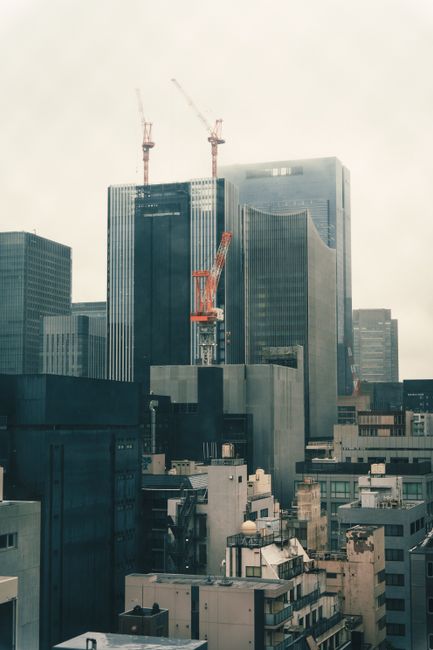
Commercial land prices in Tokyo have climbed to their highest levels in more than three decades, according to data released in the 2026 prefectural land survey. The surge reflects a strong recovery in demand for office space as more employees return to physical workplaces following the decline of remote work trends. This upward movement in property values is particularly concentrated within the city's 23 wards, where both commercial and residential sectors have seen significant growth.
Official figures from the Ministry of Land, Infrastructure, Transport and Tourism indicate that commercial land values in the Tokyo metropolitan area rose by 8.9% this year. In the 23 wards specifically, some districts reported even sharper increases, with commercial land prices jumping by 13.3% in certain areas. These gains are supported by low office vacancy rates, which currently sit well below the 5% threshold typically used to balance supply and demand.
Residential property markets in the capital are also experiencing steady growth, with land prices rising by an average of 8.7% across the 23 wards. Despite this increase in land value, the market for new condominiums has faced supply constraints. The Real Estate Economic Institute reported that approximately 11% fewer new condominiums were delivered in the first eight months of 2026 compared to the same period in 2025.
Rental markets in Tokyo have similarly maintained a positive trajectory, recording nine consecutive quarters of growth as of the third quarter of 2026. Analysts at the real estate consultancy Savills noted that high condominium prices and limited new housing supply continue to drive leasing demand. This trend has pushed rents to record highs in many parts of the city, impacting both residential and commercial tenants.
Large-scale redevelopment projects across Tokyo are playing a major role in these shifting property dynamics. Districts hosting flagship urban renewal schemes have consistently outperformed broader residential averages in terms of price growth. These projects often include a mix of high-end office space, hotels, and residential units, which attract both domestic and international investment.
While the Tokyo metropolitan area shows robust growth, the national picture remains more varied. The 2026 land survey highlights a clear divide between major metropolitan hubs like Tokyo, Osaka, and Nagoya and more rural regions where populations are declining. Treating the national result as a uniform recovery would overlook the significant differences in market performance between these urban centers and the rest of the country.
Rising interest rates have introduced new complexities for the broader Japanese real estate sector. While property values in major cities remain high, regulators are monitoring the impact of increased mortgage rates on housing demand and profitability. Regional banks in Japan have reported record growth in property lending, though some experts warn that higher borrowing costs could eventually dampen market activity.
For prospective buyers, the current environment presents a challenging landscape of high entry costs. Data comparing Tokyo and Osaka shows that the price-to-income ratio in the capital remains elevated, with mortgage payments consuming a significant portion of average household income. These financial pressures are influencing buyer behavior and shifting interest toward different types of property investments.
Looking ahead, the market is expected to remain sensitive to both construction costs and interest rate policies. Developers are currently navigating higher material and land expenses, which continue to push up the price of new housing projects. As the city continues its redevelopment cycle, the balance between supply and demand will likely remain a key focus for investors and policymakers alike.
Ultimately, the 2026 data underscores the resilience of Tokyo's real estate market in the face of global economic uncertainty. The combination of returning office workers, a rebound in tourism, and ongoing urban infrastructure investment has sustained the upward trend in land values. Whether this momentum can be maintained in the coming years will depend on broader economic conditions and the continued evolution of urban work patterns.
You've reached your free article limit
You've read 10 of 10 free articles this month. Subscribe to Planet Earth News Network for unlimited access to neutral, global journalism — plus puzzles, podcasts, and the weekly newsletter.
Already a subscriber? Sign in.
Ask the Author
Subscribers can ask the journalist a question about this story. Subscribe to ask.
Neutrality note
Auto-harvested from global news wires and presented neutrally by PENN.
to vote
Comments
No comments yet — be the first to share your thoughts.
Related stories in Real Estate & Housing

Berlin Housing Crisis Fuels Political Shift and Socialization Plans
2026-11-15
Singapore Private Residential Prices Rise as Market Shows Resilience
2026-11-15