
Tokyo Jazz Club Launches as Hybrid Art and Performance Space
A former capsule hotel in the Jimbocho neighborhood transforms into an immersive venue for contemporary art and music.
PENN Explainer
Hear this story explained in 90 seconds.
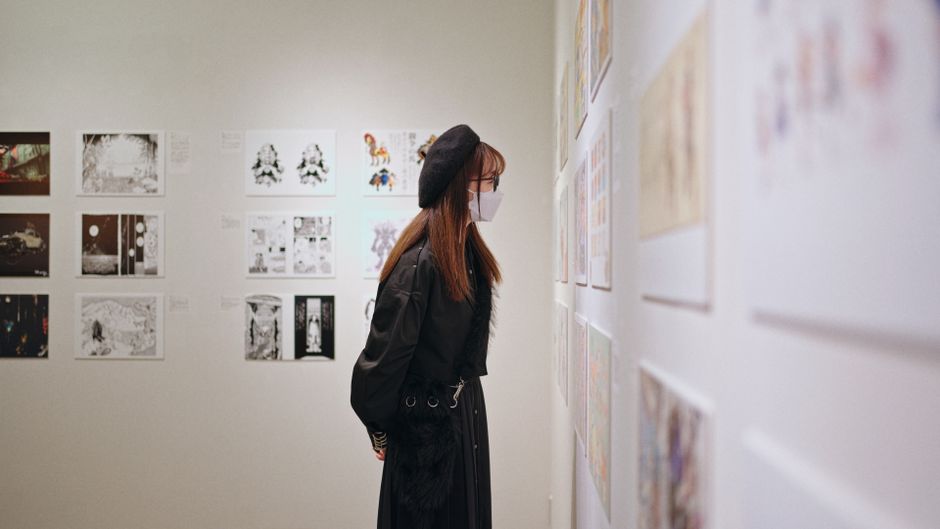
The inaugural Tokyo Jazz Club opened its doors this week in Tokyo, Japan, marking a new approach to the city's creative scene. Running from November 1 to November 8, 2026, the event occupies a former capsule hotel located in the historic Jimbocho neighborhood. The project is led by the team behind the alternative art fair Basel Social Club, aiming to blend contemporary art, live performance, and culinary experiences into a single environment.
Co-founders Robbie Fitzpatrick and Yael Salomonowitz designed the space to function as a hybrid between an exhibition, a social hub, and a marketplace. The concept draws direct inspiration from the long history of jazz culture within Japan. According to Salomonowitz, the organizers view jazz as a language of improvisation and collective presence that informs their approach to curating the space.
Visitors to the site can expect to see a variety of works, including pieces by artist Chen Wei. The event is part of a broader series of cultural activities taking place across the city during this period. These initiatives highlight the growing trend of using non-traditional venues to host art installations and performances.
This project is one of several events currently exploring the concept of hybrid spaces in Tokyo. Another notable example is Project O+O, a collaboration between artist Gabriel Orozco and designer Shinichiro Ogata. This exhibition, which runs from November 6 to November 29, transforms a local restaurant into a living space where art and dining converge.
These developments reflect a shift in how curators and artists are engaging with the public in Japan. By moving away from traditional gallery settings, organizers hope to create more accessible and immersive experiences for attendees. The focus remains on fostering connections between different creative disciplines and the local community.
International collaboration also plays a significant role in the current Tokyo art landscape. The Mori Art Museum recently launched a major retrospective of artist Mariko Mori, co-curated with the Guggenheim Museum. This partnership aims to stimulate international circulation for Japanese contemporary art and encourage future co-productions.
Alexandra Monroe, a co-curator of the Mori exhibition, noted that such collaborations are essential for reappraising work in the context of modern digital technology. She emphasized that the synergy between institutions helps bring diverse perspectives to a global audience. The exhibition is scheduled to run through March 2027.
Other organizations are also contributing to the city's vibrant cultural calendar this month. Serakai Studio is hosting a performance and installation by Taiwanese artist Liang-Jung Chen at Path Omotesando. These various events collectively demonstrate the global scope and diversity of Tokyo's creative output.
As these exhibitions and performances continue, they provide a snapshot of a city actively redefining its cultural spaces. The integration of music, food, and visual art suggests a move toward more holistic visitor experiences. Observers of the art world will be watching to see how these hybrid models influence future programming in other major cities.
You've reached your free article limit
You've read 10 of 10 free articles this month. Subscribe to Planet Earth News Network for unlimited access to neutral, global journalism — plus puzzles, podcasts, and the weekly newsletter.
Already a subscriber? Sign in.
Ask the Author
Subscribers can ask the journalist a question about this story. Subscribe to ask.
Neutrality note
Auto-harvested from global news wires and presented neutrally by PENN.
to vote
Comments
No comments yet — be the first to share your thoughts.


