Ugandan Botanists Scale Forest Giants to Secure Native Tree Seeds
Researchers are climbing massive trees to collect seeds, ensuring the survival of rare species and supporting long-term forest restoration efforts.
PENN Explainer
Hear this story explained in 90 seconds.
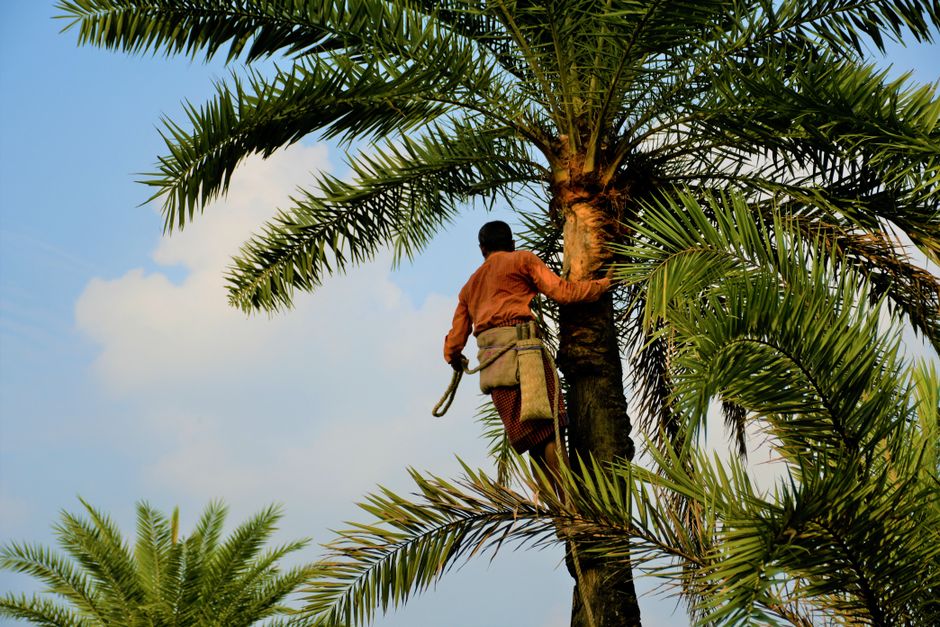
In the dense forests of Uganda, a dedicated team of botanists is taking a unique approach to conservation by climbing some of the tallest trees in the region. These experts are scaling massive Tieghemella heckelii trees to collect native seeds that are vital for the country's ecosystem. This initiative aims to preserve genetic diversity and provide a reliable source of seeds for future reforestation projects. By focusing on these forest giants, the team is ensuring that rare and slow-growing species have a chance to thrive in a changing climate. The project is part of a broader effort to restore degraded forest lands across the nation. Botanists involved in the training sessions, such as those led by Sebastain Walaita, emphasize that collecting seeds from healthy, mature trees is essential for successful restoration. These seeds are carefully processed and stored to maintain their viability for planting. The work is physically demanding and requires specialized climbing equipment to reach the high canopy where the best seeds are often found. Beyond just gathering seeds, the project serves as a training ground for local researchers to develop advanced forestry skills. This knowledge transfer is considered a key component of the initiative's long-term success. By building local capacity, the program ensures that conservation efforts can continue independently for years to come. The collected seeds are also being shared with regional nurseries to support community-led planting programs. This collaborative approach helps bridge the gap between scientific research and practical environmental action. As these native trees are replanted, they provide critical habitats for local wildlife and help stabilize the soil. The initiative demonstrates how targeted, evidence-based interventions can address the loss of biodiversity in tropical forests. By focusing on the foundational elements of the forest, these botanists are creating a sustainable path forward for Uganda's natural heritage.
Ask the Author
Subscribers can ask the journalist a question about this story. Subscribe to ask.
中立性の注記
Auto-harvested from global news wires and presented neutrally by PENN.
to vote
Comments
No comments yet — be the first to share your thoughts.
Related stories in Solutions
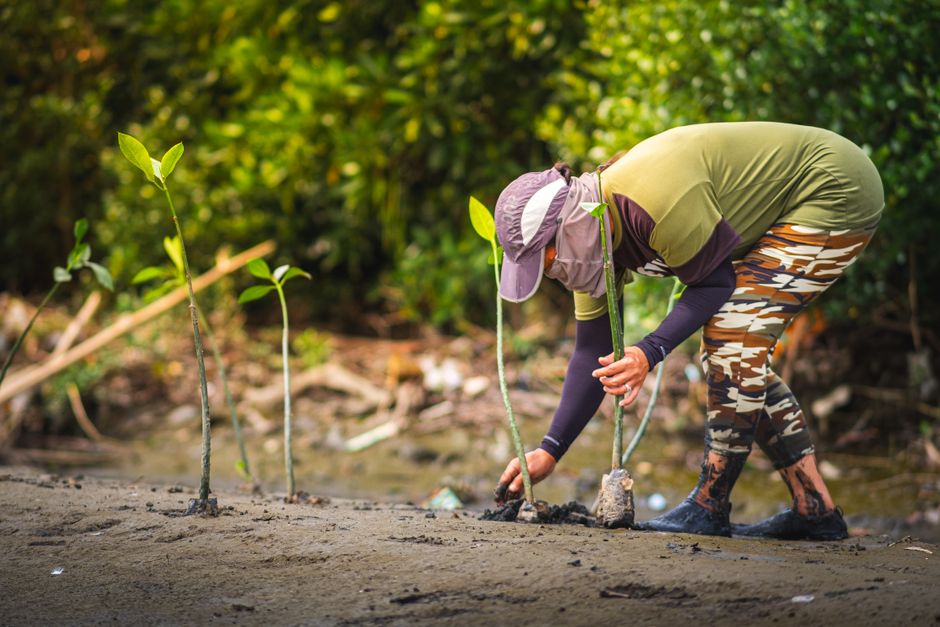
Philippines Community Project Restores Mangroves to Protect Coastal Infrastructure
2026-09-24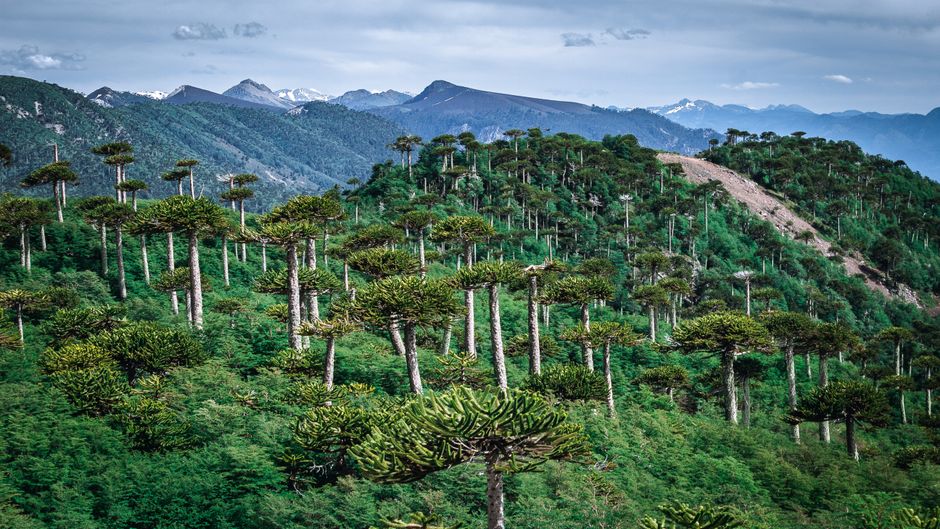
Acción Andina Leads Community-Driven Restoration of High-Altitude Polylepis Forests
2026-09-24