
UN Experts Warn of Growing Humanitarian Crisis for Displaced People in Sudan
Funding shortages threaten to leave millions of conflict-displaced individuals without emergency shelter as winter approaches.
PENN Explainer
Hear this story explained in 90 seconds.
The United Nations High Commissioner for Refugees and the International Organization for Migration have issued a stark warning regarding the deteriorating conditions for millions of people displaced by the ongoing conflict in Sudan. These organizations report that severe funding shortages are threatening to deplete essential emergency shelter stocks. Without immediate financial support, many families who have already fled violence face the prospect of being left without any form of housing or protection from the elements.
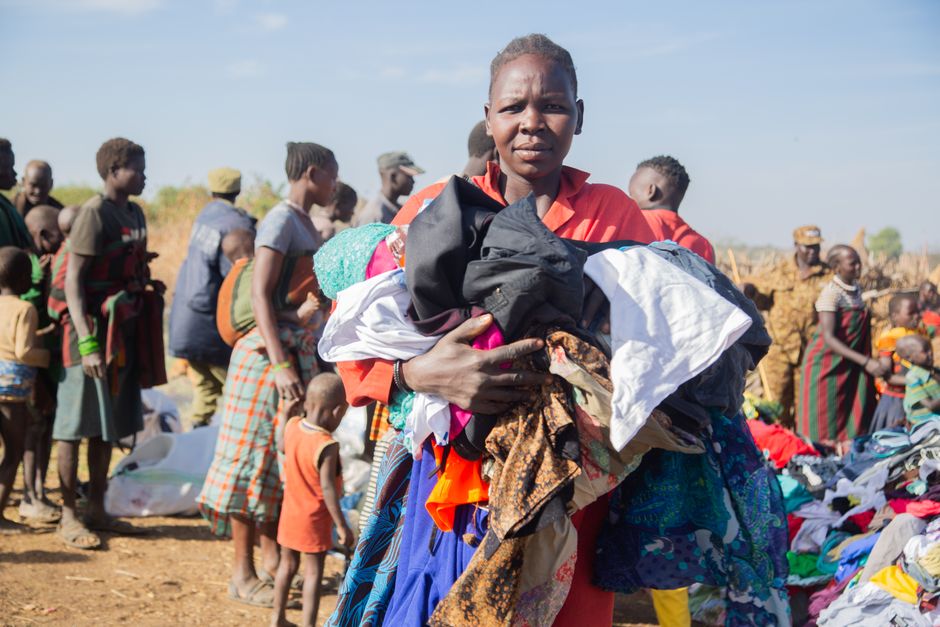
The conflict in Sudan has triggered one of the world's largest displacement crises, forcing millions to abandon their homes in search of safety. Many of these individuals are currently living in makeshift camps or informal settlements that lack basic infrastructure. As resources dwindle, the ability of humanitarian agencies to provide even the most fundamental necessities has become increasingly compromised.
Humanitarian officials emphasize that the lack of adequate shelter significantly increases the vulnerability of displaced populations to disease and further violence. Women, children, and the elderly are particularly at risk in these overcrowded and under-resourced environments. The absence of secure housing also complicates efforts to provide consistent medical care and nutritional support to those in need.
International aid groups have repeatedly called for increased global attention to the situation in Sudan, noting that the scale of the crisis often exceeds the available humanitarian response. While some nations have pledged support, the gap between the required funding and the actual contributions remains substantial. This financial shortfall directly impacts the ability of aid workers to procure tents, blankets, and other life-saving materials.
Beyond the immediate need for shelter, the broader humanitarian situation in the region remains precarious due to ongoing instability. The disruption of supply chains and the difficulty of accessing remote areas have further hindered the delivery of aid to the most isolated communities. These logistical challenges are compounded by the persistent threat of violence that continues to affect both civilians and aid workers.
United Nations officials have urged all parties involved in the conflict to prioritize the protection of civilians and to facilitate the safe passage of humanitarian assistance. They maintain that international humanitarian law requires all sides to ensure that aid reaches those who are suffering, regardless of their location or political affiliation. The failure to uphold these obligations has contributed to the deepening misery of the displaced population.
Regional observers note that the crisis in Sudan is part of a wider pattern of instability in the Horn of Africa that requires a coordinated international response. There is a growing consensus among human rights advocates that a robust, long-term strategy is necessary to address the root causes of the displacement. Without such efforts, the cycle of conflict and humanitarian need is likely to persist for the foreseeable future.
As the international community evaluates its response, the focus remains on preventing a further escalation of the suffering. Humanitarian agencies are currently prioritizing the most urgent cases, but they warn that their capacity to act is reaching a breaking point. The coming months will be critical in determining whether sufficient resources can be mobilized to provide a measure of security for those who have lost everything.
This situation highlights the broader challenges facing the global humanitarian system in an era of record-level conflicts. With numerous crises competing for limited international attention and funding, the most vulnerable populations often face the greatest difficulty in securing support. The case of Sudan serves as a reminder of the human cost when international commitments to aid and protection are not fully met.
Moving forward, the United Nations and its partners are expected to continue their advocacy for increased funding and improved access to conflict zones. They are also calling for a renewed commitment to diplomatic efforts aimed at achieving a sustainable peace. The ultimate goal remains the safe return of displaced persons to their homes, though officials acknowledge that this remains a distant prospect under current conditions.
You've reached your free article limit
You've read 10 of 10 free articles this month. Subscribe to Planet Earth News Network for unlimited access to neutral, global journalism — plus puzzles, podcasts, and the weekly newsletter.
Already a subscriber? Sign in.
Ask the Author
Subscribers can ask the journalist a question about this story. Subscribe to ask.
Neutrality note
Auto-harvested from global news wires and presented neutrally by PENN.
to vote
Comments
No comments yet — be the first to share your thoughts.


