
Politicsen
United Nations Concludes Three Decades of Political Engagement in Somalia
The mission's closure marks a significant shift in the international body's long-term diplomatic presence in the Horn of Africa.
PENN Explainer
Hear this story explained in 90 seconds.
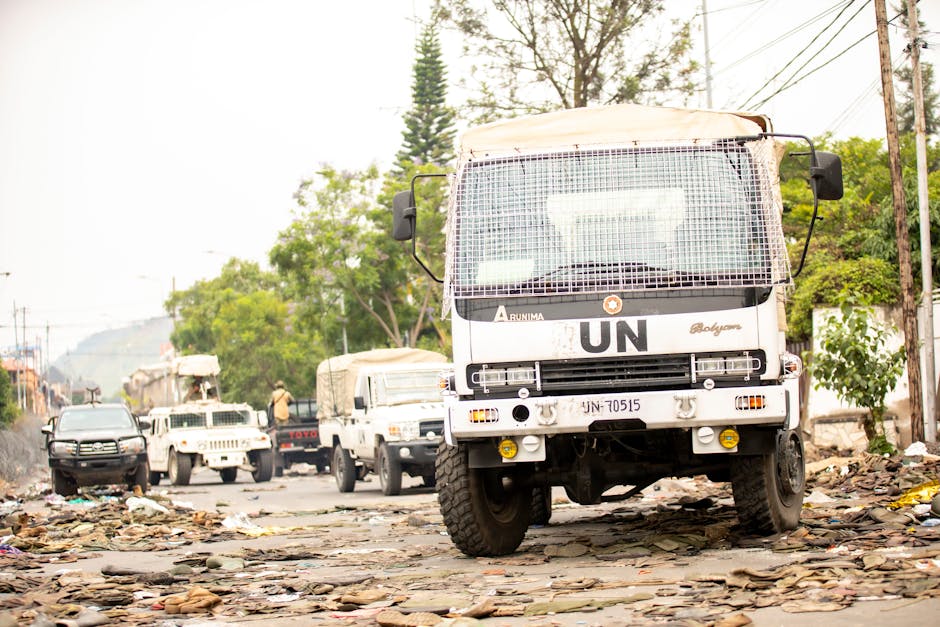
The United Nations officially concluded its political mission in Somalia on October 31, 2026, ending three decades of continuous diplomatic engagement in the country. This transition marks a major change in how the international community interacts with the Horn of Africa nation. The move follows years of efforts to support stability, governance, and peace-building initiatives within the region.
Raisedon Zenenga, the Deputy Special Representative of the UN Secretary-General for Somalia, reflected on the long-term commitment of the organization. He described the history of the UN's political involvement as a story of persistence, partnership, and adaptation. These efforts were designed to help the country navigate complex political landscapes and build sustainable institutions.
For thirty years, the United Nations maintained a presence to assist with various political processes and civic developments. This included supporting the formation of federal structures and facilitating dialogue between different political factions. The mission worked closely with local authorities to address challenges related to security and national reconciliation.
As the political mission closes, the focus shifts toward the next phase of international cooperation. The United Nations intends to maintain a presence through its various agencies, funds, and programs that focus on humanitarian and development needs. This ensures that support for the Somali people continues even as the specific political mission structure is dismantled.
Local leaders and international observers are now looking toward the future of the country's internal governance. The end of the mission is seen as a milestone that requires Somali institutions to take a more prominent role in managing national affairs. This transition is expected to test the strength of the political systems established during the period of UN support.
Regional stability remains a primary concern for neighboring countries and international partners. The withdrawal of the political mission does not signal a total departure from the region, but rather a change in the nature of the partnership. Diplomatic channels will remain open to address ongoing security and humanitarian issues.
Humanitarian aid organizations continue to operate in the country to address the needs of vulnerable populations. These groups provide essential services such as food, healthcare, and shelter to those affected by conflict and environmental challenges. The coordination of these efforts will now rely more heavily on local leadership and international development agencies.
Many observers note that the success of this transition depends on the ability of local stakeholders to maintain peace. The political landscape in Somalia has often been characterized by shifting alliances and complex power dynamics. Building a stable and inclusive government remains a central goal for the nation's leaders.
International partners have expressed their commitment to supporting Somalia's long-term development goals. This includes investments in infrastructure, education, and economic growth to foster a more stable environment. The international community remains engaged in monitoring the progress of these initiatives.
As the country moves forward, the legacy of the UN's involvement will be evaluated by its impact on institutional capacity. The goal of the mission was to leave behind a framework that could function independently and effectively. The coming months will provide a clearer picture of how these institutions handle the new responsibilities of governance.
This development is part of a broader trend of the United Nations re-evaluating its political missions worldwide. The organization is increasingly looking for ways to streamline its operations and empower local actors to take the lead. This strategy aims to create more sustainable and locally-owned solutions to regional conflicts.
You've reached your free article limit
You've read 10 of 10 free articles this month. Subscribe to Planet Earth News Network for unlimited access to neutral, global journalism — plus puzzles, podcasts, and the weekly newsletter.
Already a subscriber? Sign in.
Ask the Author
Subscribers can ask the journalist a question about this story. Subscribe to ask.
Neutrality note
Auto-harvested from global news wires and presented neutrally by PENN.
to vote
Comments
No comments yet — be the first to share your thoughts.
Related stories in Politics

European Leaders Convene in Dublin to Address Regional Security and Democratic Stability
2026-11-15
Japan and International Partners Prepare for APEC Summit Amid Trade Transparency Concerns
2026-11-15