
Yemeni Houthi Forces Advance Toward Aden as Conflict Intensifies
Fighters move within 50 miles of the temporary capital, challenging the Saudi-backed government's stronghold.
PENN Explainer
Hear this story explained in 90 seconds.
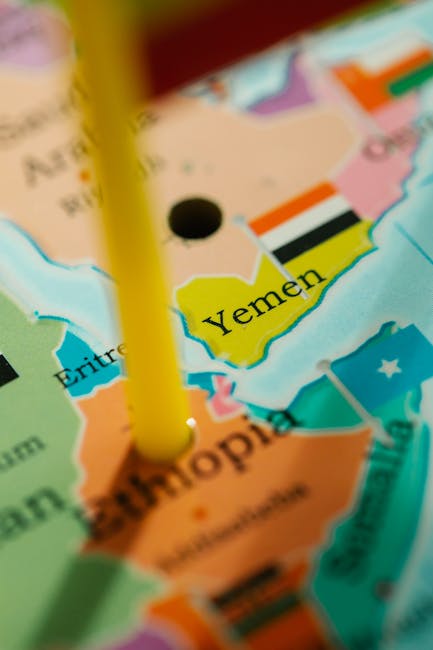
Fighters with the Ansar Allah movement, commonly known as the Houthis, have made significant territorial gains in Yemen. Recent reports indicate that these forces have advanced to within 50 miles of Aden. This city currently serves as the temporary capital and primary stronghold for the internationally recognized government of Yemen.
The advance marks a notable shift in the ongoing conflict that has gripped the nation for years. Aden has long functioned as the base for the Saudi-backed administration, providing a critical hub for government operations and international diplomatic efforts. The proximity of Houthi fighters to this location creates a new layer of pressure on the existing power structure.
Government officials have expressed concern regarding the security of the region as the front lines move closer to the city. The movement of these fighters suggests a coordinated effort to challenge the government's control over key southern territories. Military analysts are closely monitoring the situation to determine the potential for further escalation in the coming days.
The conflict in Yemen remains one of the most complex humanitarian and geopolitical crises in the Middle East. Multiple regional and international actors have been involved in the struggle, which has resulted in widespread displacement and economic instability. The recent Houthi advance threatens to disrupt the fragile balance that has existed in the southern part of the country.
International observers have frequently called for a peaceful resolution to the fighting to prevent further loss of life. Diplomatic efforts have often struggled to gain traction due to the deeply entrenched positions of the various factions involved. The latest developments on the ground may complicate future attempts at mediation or ceasefire negotiations.
Humanitarian organizations continue to warn about the impact of the fighting on the civilian population. Access to essential services, including food and medical care, remains a significant challenge for millions of people across the country. The escalation near Aden could further restrict the ability of aid groups to reach those in need.
Regional powers that support the Yemeni government are evaluating their next steps in response to the Houthi movement. The situation highlights the ongoing difficulty of maintaining stability in a region marked by competing interests and long-standing grievances. Any shift in control over Aden would represent a major development in the broader conflict.
Local residents in the vicinity of the advancing forces have reported increased tension and uncertainty. Many are preparing for the possibility of further instability as the military situation evolves. The presence of armed groups near major population centers often leads to significant disruptions in daily life and local commerce.
Government forces are reportedly reinforcing their defensive positions to prevent the Houthis from reaching the city center. These defensive measures are intended to protect the administrative infrastructure and the civilian population residing in Aden. The outcome of these defensive efforts will likely determine the immediate future of the government's presence in the south.
International diplomatic bodies are expected to address the situation in upcoming sessions to discuss potential de-escalation strategies. The international community remains concerned about the long-term consequences of the conflict for regional security. Future developments will depend on the ability of the involved parties to engage in meaningful dialogue rather than continued military action.
You've reached your free article limit
You've read 10 of 10 free articles this month. Subscribe to Planet Earth News Network for unlimited access to neutral, global journalism — plus puzzles, podcasts, and the weekly newsletter.
Already a subscriber? Sign in.
Ask the Author
Subscribers can ask the journalist a question about this story. Subscribe to ask.
Neutrality note
Auto-harvested from global news wires and presented neutrally by PENN.
to vote
Comments
No comments yet — be the first to share your thoughts.
Related stories in World/International

Nvidia CEO Jensen Huang Resigns Following Allegations of Personal Misconduct
2026-11-13
American Envoys Arrive in Moscow for High-Level Peace Discussions
2026-11-13