Brazil Faces Economic Uncertainty as Fiscal Concerns and Inflation Persist
Central Bank maintains high interest rates while markets react to fiscal policy challenges and currency volatility.
PENN Explainer
Hear this story explained in 90 seconds.
Brazil is navigating a complex economic landscape as the nation grapples with persistent inflation and concerns over long-term fiscal stability. Following the recent reelection of President Luiz Inacio Lula da Silva, financial markets have experienced significant volatility, leading to a sharp repricing of the country's economic outlook. Investors are closely monitoring the government's commitment to fiscal discipline as it seeks to balance social spending with the need to manage a growing public debt trajectory.
The Central Bank of Brazil has opted to keep its benchmark Selic interest rate at 13.75% to combat inflationary pressures. Policymakers have indicated that the bar for further rate hikes remains high, even as they acknowledge the risks posed by a weaker currency and various supply shocks. These shocks include rising oil prices, the impact of recent labor reforms, and environmental factors such as El Niño.
Market analysts have expressed caution regarding the government's ability to meet its fiscal targets for 2027. While a preliminary fiscal adjustment proposal was recently presented to Congress, many observers argue that the measures focus more on short-term spending freezes than on the structural changes needed to ensure sustainable public finances. This uncertainty has contributed to a rise in bond yields and a weakening of the Brazilian real against the US dollar.
Economic growth projections for the coming year have been revised downward by several major financial institutions. Banks such as Bradesco and XP have lowered their GDP growth forecasts, citing the drag of high interest rates on consumer demand and business investment. Despite these challenges, some sectors have shown resilience, with retail sales volumes posting a surprise increase in September.
In the industrial sector, business confidence has reached its lowest level since the start of the pandemic in 2020. The Industrial Business Confidence Index has remained below the 50-point threshold for nearly two years, reflecting a sustained period of pessimism among industry leaders. This lack of confidence is compounded by the high cost of borrowing, which continues to weigh on corporate expansion plans.
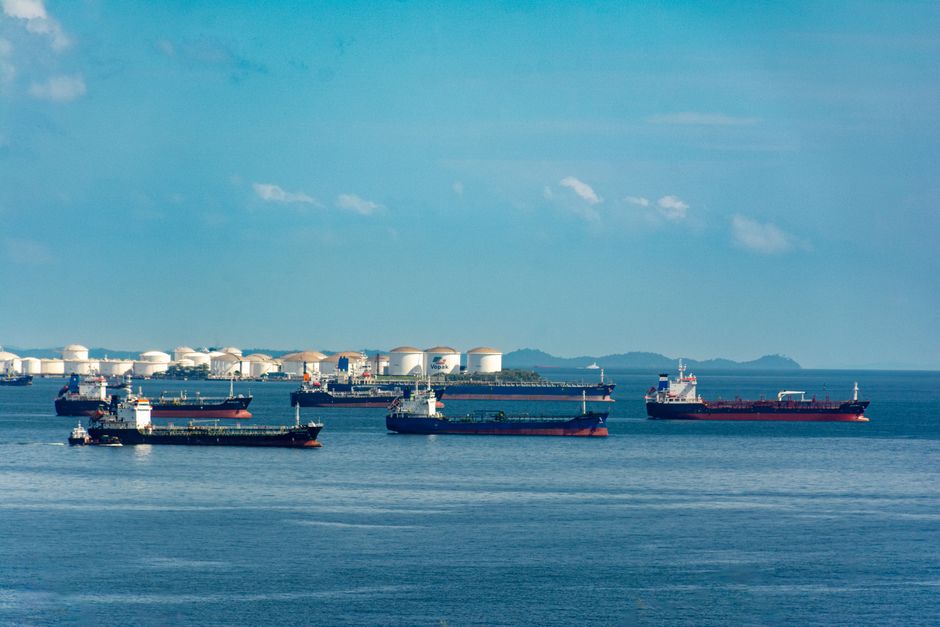
Infrastructure costs are also seeing upward pressure, as evidenced by a recent decision from the National Waterway Transportation Agency. The agency approved a 17.33% tariff increase at the Port of São Francisco do Sul, covering vessel access and cargo handling. This adjustment, which reflects accumulated inflation since 2023, highlights the broader trend of rising operational costs across the Brazilian economy.
Global macroeconomic factors are further complicating the situation for Brazilian policymakers. Hotter-than-expected inflation data in the United States has fueled speculation that the Federal Reserve may maintain a hawkish stance, potentially leading to further interest rate hikes. A narrower interest rate differential between Brazil and the US could place additional downward pressure on the Brazilian real, complicating the Central Bank's efforts to stabilize prices.
Despite the difficult environment, some government officials maintain that fiscal responsibility can coexist with social protection goals. President Lula has reiterated his administration's commitment to managing public accounts while addressing the needs of the population. However, the lack of concrete, detailed measures has left many investors waiting for clearer signals before committing to long-term positions in Brazilian assets.
Refinancing the national debt remains a critical challenge for the government, as a significant portion of the debt stock is linked to floating interest rates. This structure makes the public budget highly sensitive to the prevailing high policy rate, limiting the government's ability to maneuver. As maturing securities are replaced, the cost of servicing this debt is expected to rise, further straining the national budget.
Looking ahead, the focus will remain on the government's ability to implement credible fiscal reforms that can restore market confidence. The interaction between domestic policy decisions and global economic trends will likely determine the trajectory of Brazil's recovery. For now, the economy remains in a state of transition, balancing the need for growth against the constraints of a challenging inflationary and fiscal environment.
You've reached your free article limit
You've read 10 of 10 free articles this month. Subscribe to Planet Earth News Network for unlimited access to neutral, global journalism — plus puzzles, podcasts, and the weekly newsletter.
Already a subscriber? Sign in.
Ask the Author
Subscribers can ask the journalist a question about this story. Subscribe to ask.
Neutrality note
Auto-harvested from global news wires and presented neutrally by PENN.
to vote
Comments
No comments yet — be the first to share your thoughts.