Global Oil Markets Shift Toward Surplus as Middle East Exports Recover
Rising production levels and restored shipping routes lead to a decline in crude prices despite ongoing regional tensions.
PENN Explainer
Hear this story explained in 90 seconds.
Global oil prices have experienced a downward trend as markets adjust to signs of a recovering supply surplus. Brent crude futures fell below $96 per barrel this week, marking a second consecutive weekly decline for the benchmark. This shift reflects a transition in market sentiment from concerns over persistent supply tightness to expectations of ample availability.
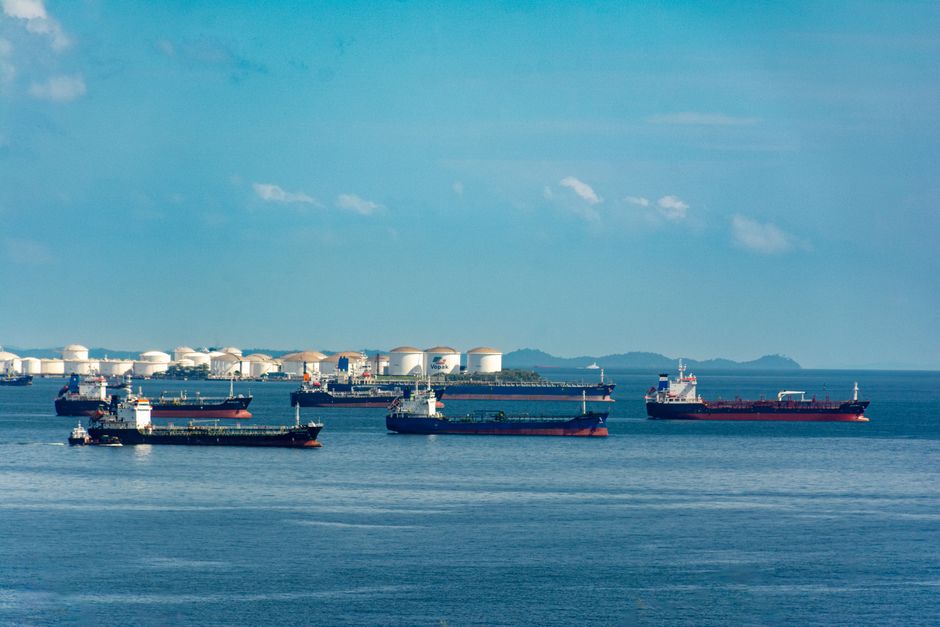
The International Energy Agency reported that global oil supplies are expected to surpass demand in the fourth quarter of 2026 for the first time since the outbreak of the conflict between the United States and Iran. This rebalancing is largely driven by a steady increase in oil exports from the Middle East. Despite continued security challenges in the region, production and shipping volumes through the Strait of Hormuz have shown significant improvement.
Saudi Arabia has played a central role in this production recovery, leading an increase in output among OPEC+ nations. According to data from the Organization of the Petroleum Exporting Countries, the group's total output rose by nearly 2 million barrels per day in October. This surge has brought production levels closer to those seen before the regional conflict began earlier this year.
Analysts note that the market is increasingly influenced by supply-demand fundamentals rather than solely by geopolitical risk. While tensions remain a factor, the growth in output from the Americas, including the United States, Canada, Brazil, Argentina, and Guyana, has helped offset supply losses from other areas. These nations are on track to boost their combined output by 1.6 million barrels per day.
Despite the broader recovery, maritime security remains a point of concern for energy traders. Recent reports indicate that two oil tankers were struck by mines in the Strait of Hormuz, and Iran claimed to have targeted a United States air-defense installation in Bahrain. These incidents continue to introduce volatility into short-term price movements.
Market participants are closely monitoring official inventory data to gauge the strength of the supply build. Weekly reports from the American Petroleum Institute and other sources are being tracked to confirm the pace of stock accumulation. A larger-than-expected increase in United States crude inventories has further contributed to the downward pressure on prices.
Looking ahead, the International Energy Agency projects that the global oil market will see a more substantial supply surplus in 2027. As supply chains continue to normalize and new pipeline capacity comes online, the agency expects the world to shift from a deficit to a surplus of approximately 3.8 million barrels per day. This forecast assumes that geopolitical risks will eventually dissipate, allowing inventories to return toward pre-conflict levels.
Demand trends also remain a critical component of the current market outlook. While global oil demand has been weighed down by high prices and export disruptions, some analysts expect growth to resume by early 2027. The recovery in demand is expected to be supported by increased consumption of products such as naphtha and ethane.
Energy experts emphasize that the current price correction is a significant development for the global economy. Lower oil prices could help ease inflationary pressures and provide more stability for currency markets in the coming months. However, the susceptibility of Middle Eastern shipping routes to disruption means that price volatility is likely to persist.
As the year draws to a close, the energy sector remains in a state of transition. The combination of rising production and cautious demand suggests that the market is entering a new phase of rebalancing. Stakeholders will continue to watch for any further developments in regional security that could impact the flow of global energy supplies.
You've reached your free article limit
You've read 10 of 10 free articles this month. Subscribe to Planet Earth News Network for unlimited access to neutral, global journalism — plus puzzles, podcasts, and the weekly newsletter.
Already a subscriber? Sign in.
Ask the Author
Subscribers can ask the journalist a question about this story. Subscribe to ask.
Neutrality note
Auto-harvested from global news wires and presented neutrally by PENN.
to vote
Comments
No comments yet — be the first to share your thoughts.