Community of the Day: Kathmandu, Nepal
A Timeless Himalayan Hub of Culture, History, and Spirituality

Hear this story explained in 90 seconds.
Kathmandu, Nepal
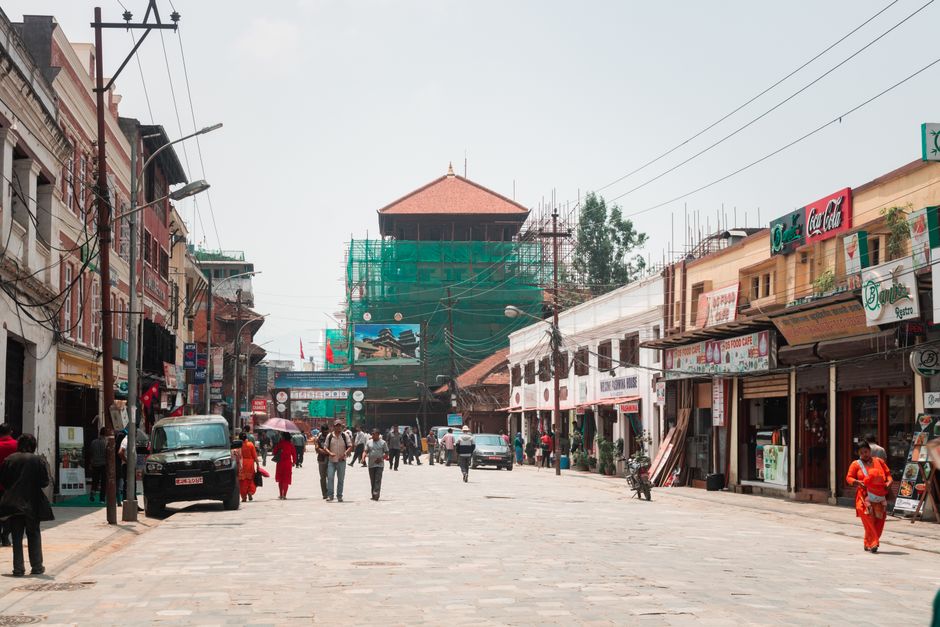
Kathmandu, the capital city of Nepal, is a vibrant urban center nestled in a valley that serves as the nation's political, economic, and cultural heart. Known for its rich tapestry of Hindu and Buddhist traditions, the city is a gateway to the Himalayas and a UNESCO World Heritage site that blends ancient architecture with modern life.
- The Kathmandu Valley was once an enormous lake known in Hindu mythology as Nagdaha, or the Lake of Serpents. Geological evidence confirms this ancient origin, explaining the fertile soil and flat terrain that allowed the city to develop into a stable agricultural and commercial hub over millennia.
- The city is the ancestral home of the Newar people, an indigenous group with a distinct language, culture, and artistic tradition. Their influence is deeply embedded in the city's architecture, festivals, and social structure, making them a cornerstone of the valley's unique identity.
- Kathmandu is home to seven groups of UNESCO-listed monuments, including the famous Durbar Squares of Kathmandu, Patan, and Bhaktapur. These sites showcase the pinnacle of Nepalese artistic achievement, featuring intricate wood carvings and historic palace complexes that have stood for centuries.
- The city serves as a profound synthesis of Hindu and Buddhist value systems, where religious boundaries are often fluid. Residents frequently participate in festivals and traditions that honor both faiths, reflecting a long history of peaceful coexistence and shared spiritual heritage.
- The Bagmati River, which flows through the city, is considered sacred by both Hindus and Buddhists. It plays a vital role in local funeral rites, as tradition dictates that the deceased be dipped into the river three times before cremation on its banks.
- Kathmandu's name is derived from a wooden temple known as Kasthamandap, which was built in 1596. This structure remains a symbol of the city's architectural history and its evolution from a collection of ancient settlements into a bustling capital.
- As the primary economic hub of Nepal, Kathmandu hosts the majority of the country's industries and corporate offices. People from across the nation migrate to the city seeking better education, healthcare, and employment opportunities, driving its continuous growth.
- Tourism is a pillar of the local economy, with the city acting as the primary gateway for trekkers and mountaineers heading to the Himalayas. The presence of international climbers has significantly shaped the local service industry and supported the livelihoods of many residents.
- The city is famous for its vibrant festival calendar, with Dashain being the most significant event in the Nepali Hindu tradition. This fifteen-day celebration marks the victory of the goddess Durga over the demon Mahishasura and brings the entire community together in prayer and festivity.
- Kathmandu has served as the headquarters for the South Asian Association for Regional Cooperation (SAARC) since 1985. This role highlights the city's importance as a diplomatic center for regional cooperation and international relations in South Asia.
Photo Gallery

You've reached your free article limit
You've read 10 of 10 free articles this month. Subscribe to Planet Earth News Network for unlimited access to neutral, global journalism — plus puzzles, podcasts, and the weekly newsletter.
Already a subscriber? Sign in.
Subscribers can ask the journalist a question about this story. Subscribe to ask.
Community of the Day feature by PENN editorial.
Comments
No comments yet — be the first to share your thoughts.
Senior Editor, Planet Earth News Network
View all articles by Desk →