Community of the Day: Kigali
Discover the vibrant capital of Rwanda, celebrated for its rolling hills, pristine streets, and rapid modernization.
PENN Explainer
Hear this story explained in 90 seconds.
Kigali, Rwanda
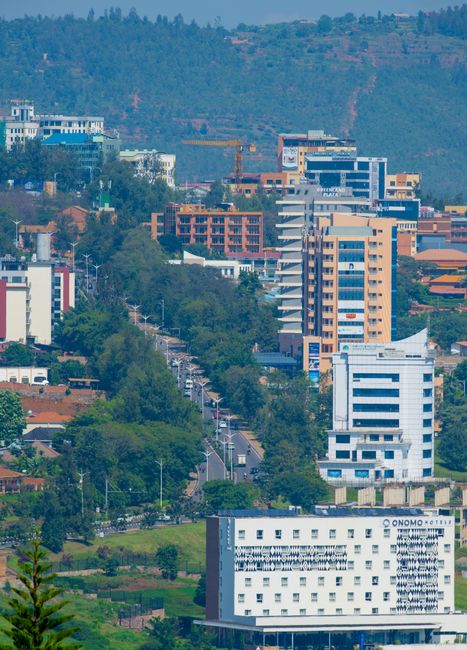
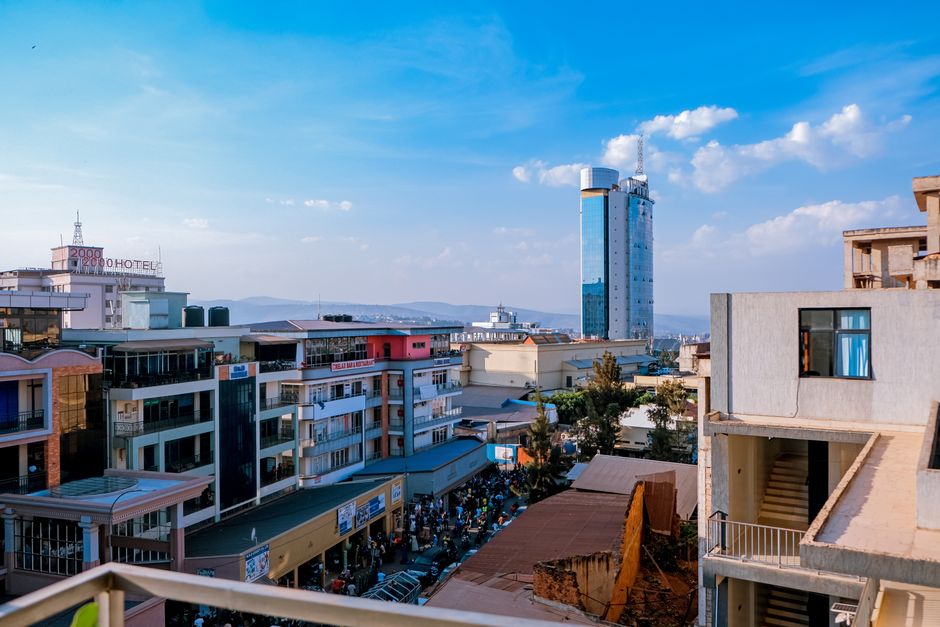
Perched among the lush, rolling highlands of East Africa, Kigali stands as the vibrant political, economic, and cultural heart of Rwanda. Having emerged from profound historical trials into one of the continent's most organized, progressive, and welcoming metropolises, Kigali exemplifies civic resilience, green urban planning, and visionary ambition.
- Colonial Origins and Capital Status: Founded in 1907 by German resident Richard Kandt as an administrative outpost, Kigali developed into an important regional trade settlement during the Belgian administration. When Rwanda achieved independence in 1962, the settlement was selected as the nation's capital over the historic royal seat of Nyanza and the colonial intellectual center of Butare due to its central geographical position. Today, the historic residence of Kandt has been preserved as the Kandt House Museum, detailing Rwanda's pre-colonial natural history and early municipal administrative growth.
- The Geography of Rolling Ridges: Sprawling across an undulating series of ridges, hills, and valleys, Kigali embodies Rwanda's famous moniker as the 'Land of a Thousand Hills.' The city sits at an elevation averaging roughly 1,500 meters (nearly 5,000 feet) above sea level, nestled along the Ruganwa River basin. This high altitude provides the city with an enviable temperate tropical highland climate, keeping typical daytime temperatures pleasantly mild year-round between 25°C and 28°C despite its close proximity to the Equator.
- The Tradition of Umuganda: On the final Saturday morning of every month, vehicle traffic halts across the city as residents participate in Umuganda, a nationwide day of mandatory community service. Citizens, community leaders, and business professionals gather in their neighborhoods to clean streets, dig drainage channels, clear overgrown brush, and construct public infrastructure. This communal tradition has forged intense social solidarity while making Kigali renowned internationally as one of the cleanest and most orderly capitals in Africa.
- Pioneering Green Legislation: Kigali has earned global acclaim for its bold environmental stewardship, notably serving as the vanguard of Rwanda's 2008 nationwide ban on non-biodegradable, single-use plastic bags. Border and airport security strictly enforce the rule, confiscating plastic luggage wraps and packaging before travelers enter the city. The sweeping initiative not only unclogged the city's drainage canals and mitigated local flash flooding, but also stimulated a domestic market for compostable paper and woven textile alternatives.
- A Solemn Memorial of Reconciliation: On Gisozi Hill overlooking the city center stands the Kigali Genocide Memorial, which serves as the final resting place for more than 250,000 victims of the 1994 genocide against the Tutsi. Established in 2004, the memorial features curated educational exhibits detailing the complex historical roots of the atrocity, personal testimonials, and tranquil remembrance gardens. It remains a sacred pillar of peace education, community healing, and national reflection for both Rwandans and international visitors.
- An Engine of Regional Economic Transformation: Kigali functions as the prime engine of Rwanda's national economy, contributing more than 40 percent of the country's gross domestic product. The city hosts vital financial institutions, corporate headquarters, the Rwanda Stock Exchange, and burgeoning manufacturing hubs focusing on processed foods, textiles, construction materials, and assembly plants. With an urban expansion rate of approximately four percent annually, Kigali represents one of the fastest-growing urban centers in East Africa.
- Emerging as Africa's Silicon Valley: Kigali has invested heavily in digital infrastructure, positioning itself as a premier innovation hub through flagships like the Kigali Innovation City and tech-incubator centers. High-speed fiber-optic connectivity spans municipal districts, and government services have transitioned almost entirely to seamless digital platforms like Irembo. Global technological conferences and forward-thinking startup initiatives routinely converge in the city, driving regional entrepreneurship in fintech, drone delivery, and artificial intelligence.
- Flourishing Specialty Coffee Culture: Surrounded by fertile volcanic slopes that produce some of the finest Arabica beans in the world, Kigali boasts an energetic and sophisticated café scene. Establishments like Question Coffee, Bourbon Coffee, and locally owned roasteries serve as popular meeting points for creative professionals, students, and digital nomads. The domestic coffee renaissance emphasizes ethical farm-to-cup sourcing, directly benefiting women-led farming cooperatives across the countryside while redefining urban leisure.
- Dynamic Arts and Craft Scene: Creative expression has blossomed throughout districts like Kimihurura and Kacyiru, where spaces such as Inema Arts Center and Ivuka Arts host resident contemporary painters, sculptors, and multimedia artists. At spots like the Caplaki Craft Village, traditional artisans showcase Agaseke peace baskets, intricate wood carvings, and Imigongo—a distinctive geometric art form using cow dung and natural pigments. These thriving hubs blend ancestral East African folklore with modern design, staging vibrant weekly music performances and community dance workshops.
- World-Class Conference and Tourism Hub: Kigali has transformed into a dominant continental destination for Meetings, Incentives, Conferences, and Exhibitions (MICE), symbolized by the luminous dome of the Kigali Convention Centre. The facility, which glitters in the colors of the national flag by night, regularly welcomes high-profile international summits, sporting tournaments, and regional assemblies. Backed by safe public transit, clean arterial boulevards, and the upcoming Bugesera International Airport, the metropolis seamlessly connects travelers from across the globe with Rwanda's eco-tourism circuits.
Photo Gallery

Ask the Author
Subscribers can ask the journalist a question about this story. Subscribe to ask.
Neutrality note
Community of the Day feature by PENN editorial.
to vote
Comments
No comments yet — be the first to share your thoughts.
Author
Planet Earth News Travel DeskSenior Editor, Planet Earth News Network
View all articles by Desk →