Community of the Day: Lamu, Kenya
Discover East Africa's oldest continuously inhabited Swahili settlement, steeped in maritime tradition and timeless coral-stone charm.
PENN Explainer
Hear this story explained in 90 seconds.
Lamu, Kenya
Resting gracefully along the northern shores of Kenya, Lamu is a living museum and one of the finest architectural gems of the Indian Ocean rim. Continuously inhabited for well over seven centuries, this island settlement preserves the maritime spirit, religious heritage, and stone masonry of classical Swahili civilization.
- Lamu Old Town stands as the oldest and best-preserved Swahili settlement along the entire coast of East Africa. Unlike many ancient rival port towns that declined into ruin or were abandoned over the centuries, Lamu has sustained continuous civilian habitation for over 700 years. This unbroken thread of daily life has allowed its communal traditions, architectural integrity, and civic layouts to survive intact into the modern era.
- In recognition of its outstanding cultural significance, Lamu Old Town was inscribed as a UNESCO World Heritage site in 2001. The designation honors its exceptionally preserved urban structure and its historical role as a vital center of Swahili civilization. Spanning a protected historic core, the town embodies centuries of cross-cultural interchange between Bantu, Arab, Persian, Indian, and European travelers.
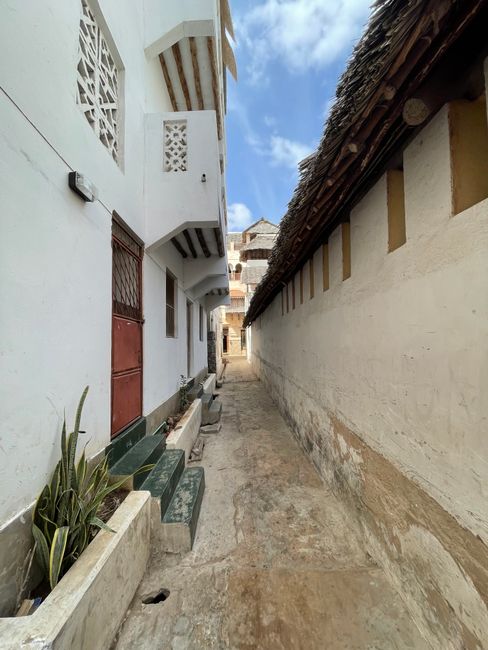
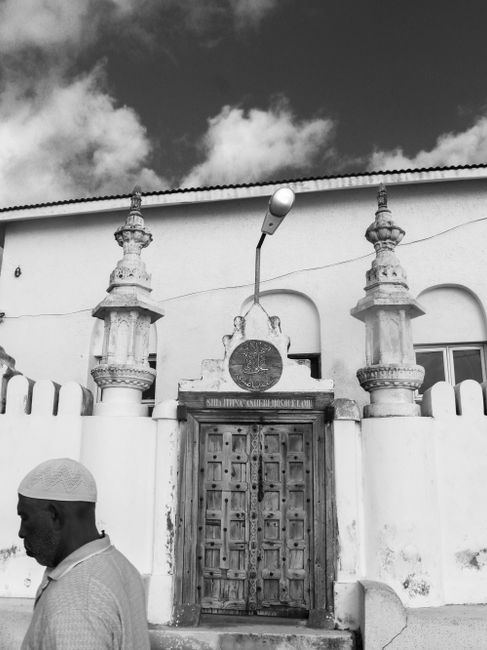
- Traditional architecture across Lamu is uniquely crafted using local coral rag stone, lime mortar, and dense mangrove timber. Buildings are recognized for their distinctively thick walls, tranquil inner courtyards, open rooftop verandas, and cool high-ceilinged galleries designed to maximize sea breezes. Elaborately hand-carved wooden entrance doors remain a hallmark of Swahili craftsmanship, signifying the status, wealth, and heritage of resident families.
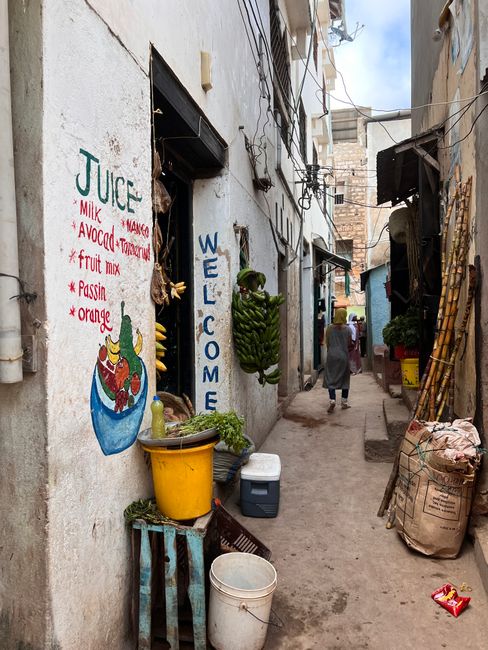
- Motorized vehicles are largely absent from Lamu Old Town due to its labyrinth of narrow, winding alleys and tight corridors. Instead, everyday transport, baggage hauling, and cargo shipping rely heavily on donkeys and foot traffic, establishing a relaxed rhythm known locally as 'pole pole' (slowly). Thousands of working donkeys navigate the stone passages daily, earning the town a global reputation for its unique animal-based transit system.
- The town serves as one of East and Central Africa's most influential centers for the study of Islamic scholarship and Swahili theology. The prestigious Riyadha Mosque, established in the late nineteenth century by Habib Salih, cemented Lamu's reputation as a magnet for teachers, scholars, and pilgrims. The institution has long championed accessible religious education, playing a major role in shaping regional cultural philosophies.
- Each year, thousands of visitors from across the Indian Ocean basin flock to Lamu for the vibrant Maulidi festival, which commemorates the birth of the Prophet Muhammad. Spanning multiple days, the celebration combines deep spiritual devotion with dynamic community spectacles, including traditional dances, Islamic poetry recitations, and calligraphy contests. The festival culminates in eagerly anticipated donkey races and dhow sailing regattas along the waterfront harbor.
- The surrounding waters of the Lamu Archipelago are renowned for their traditional wooden dhows, lateen-rigged sailing vessels that have navigated regional trade winds for centuries. These handcrafted boats remain fundamental to the local blue economy, transporting passengers, fresh catches, and supplies between archipelago islands like Manda and Pate. Sailing excursions on dhows during sunset remain one of the community's signature maritime experiences.
- Lamu's economy is sustained by a delicate combination of artisanal fishing, heritage tourism, boat building, and date and coconut agriculture. While foreign travelers visit to experience the town's historical mystique, local fishermen venture into mangrove channels and ocean currents using time-honored netting methods. In recent years, major regional infrastructure investments, including the Lamu Port development (LAPSSET), have introduced new economic dynamics alongside discussions of preservation.
- The geographic environment of Lamu Island is characterized by vast mangrove forests, tidal estuaries, and extensive coastal sand dunes along its southern shores. These prominent dunes, notably those sheltering the village of Shela, play a crucial ecological role by replenishing and safeguarding the delicate freshwater aquifer that provides the island's primary drinking water. Mangrove ecosystems around the archipelago additionally protect shorelines from coastal erosion and serve as vital nurseries for marine life.
- Lamu's culinary landscape presents a flavorful reflection of its maritime trade routes, merging indigenous East African ingredients with Persian, Indian, and Arabic spices. Island staples heavily incorporate freshly caught seafood, coconut milk, aromatic cardamom, cloves, and tamarind. Signature dishes include coconut fish curry, fragrant spiced pilau rice, fresh flatbreads, and sweet Swahili treats like mahamri served alongside spiced black tea.
Photo Gallery
Ask the Author
Subscribers can ask the journalist a question about this story. Subscribe to ask.
Nota neutralitatis
Community of the Day feature by PENN editorial.
to vote
Comments
No comments yet — be the first to share your thoughts.
Author
Planet Earth News Travel DeskSenior Editor, Planet Earth News Network
View all articles by Desk →