Community of the Day: Timbuktu, Mali
Exploring the legendary desert gateway and historic center of Islamic scholarship.
PENN Explainer
Hear this story explained in 90 seconds.
Timbuktu, Mali
Timbuktu is a historic city located on the southern edge of the Sahara Desert in Mali, renowned for its profound influence as a medieval center of trade and Islamic learning. Once a flourishing hub of the Mali and Songhai Empires, the city remains a symbol of West African intellectual heritage and architectural ingenuity.
- Founded by Tuareg nomads around the 12th century, Timbuktu began as a seasonal settlement before evolving into a permanent urban center. Its strategic location at the meeting point of the desert and the Niger River made it an ideal crossroads for trans-Saharan trade.
- During its golden age in the 14th to 16th centuries, Timbuktu became one of the wealthiest cities in the world. It served as a vital hub for the exchange of gold and salt, attracting merchants and artisans from across the globe.
- The city was a premier center of Islamic scholarship, home to the prestigious Sankore University and numerous madrasas. At its peak, it is estimated that as many as 25,000 scholars studied within its walls, earning it the reputation as the "Paris" of the medieval world.
- Mansa Musa, the famous ruler of the Mali Empire, played a pivotal role in the city's development during the 14th century. He commissioned the construction of the Djinguereber Mosque, which remains a standing UNESCO World Heritage site today.
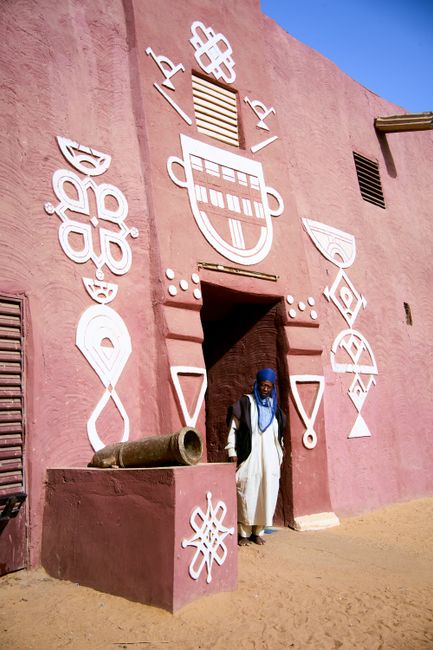
- The architecture of Timbuktu is defined by its iconic mud-brick structures, which are specifically designed to withstand intense desert heat and frequent sandstorms. These buildings represent a unique synthesis of local materials and Islamic architectural influences.
- Timbuktu is home to thousands of ancient, hand-written manuscripts that date back hundreds of years. These documents cover a wide range of subjects, including astronomy, medicine, and law, reflecting the city's deep intellectual history.
- The city's name is believed to mean "mother with a large navel," a term that may have historically referred to a physical malady or a specific geographic feature. Despite its legendary status, the name has also evolved in modern parlance to represent a place that is difficult to reach.
- Following the decline of the Songhai Empire, Timbuktu experienced a long period of governance by various tribes before falling under French colonial rule in 1893. The city remained under French administration until Mali gained its independence in 1960.
- Today, Timbuktu faces significant challenges, including poverty and the encroaching threat of desertification. Despite these hardships, the community continues to preserve its extraordinary cultural heritage through the protection of its historic sites and manuscripts.
- The modern population of Timbuktu is approximately 54,000 people, living in a hot desert climate. The city remains a vital, albeit humble, cultural landmark that continues to draw interest from historians and travelers worldwide.
Photo Gallery

Ask the Author
Subscribers can ask the journalist a question about this story. Subscribe to ask.
Note de neutralité
Community of the Day feature by PENN editorial.
to vote
Comments
No comments yet — be the first to share your thoughts.
Author
Planet Earth News Travel DeskSenior Editor, Planet Earth News Network
View all articles by Desk →