Community of the Day: Vientiane, Laos
Exploring the history, culture, and riverside charm of Laos's capital city.

Hear this story explained in 90 seconds.
Vientiane, Laos
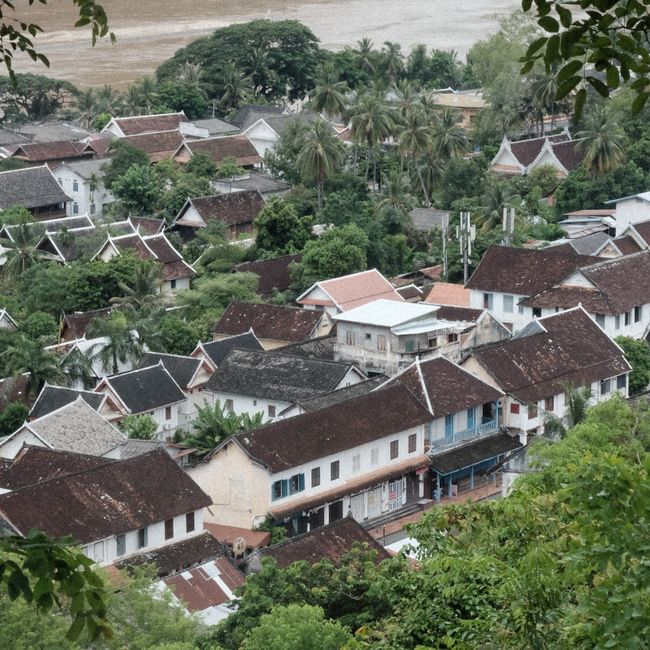
Vientiane is the capital and largest city of Laos, serving as the nation's primary political, administrative, and economic hub. Nestled along the banks of the Mekong River, this city offers a unique blend of traditional Buddhist heritage, French colonial architecture, and a relaxed, village-like atmosphere that distinguishes it from other bustling Southeast Asian capitals.
- Vientiane was founded during the late 13th century and eventually became the capital of the Lao kingdom in the mid-16th century. The city was moved to this location in 1563 by King Setthathirath to protect the kingdom from potential Burmese invasions.
- The city is home to Pha That Luang, a magnificent gold-covered Buddhist stupa that serves as the national symbol of Laos. This architectural masterpiece is considered the most important religious monument in the country and reflects the deep spiritual roots of the region.
- Vientiane has a complex history of conflict and resilience, having been razed and looted by the Siamese in 1827 following a failed revolt. Later, from 1899 to 1953, the city served as the administrative capital under French colonial rule, which left a lasting mark on its urban layout and architecture.
- Geographically, the city is situated on a plain just northeast of the Mekong River, which forms a natural border with Thailand. This riverfront location has historically made Vientiane a vital port of entry and a central hub for trade and transportation within the landlocked nation.
- The local economy of Vientiane is deeply connected to the surrounding hinterland, which is known for intensive rice cultivation. Farmers in the region also produce corn and livestock, contributing to the city's role as a commercial center for agricultural goods.
- Since the late 1980s, Vientiane has experienced steady economic growth driven by foreign investment and international business. The city has become a pivotal point for trade ties with neighboring countries like Thailand, China, and Vietnam, helping to modernize its urban landscape.
- The National University of Laos, established in 1995, is located in Vientiane and serves as the country's primary institution for higher education. The university plays a crucial role in developing the nation's human capital through its various faculties, including agriculture, architecture, and forestry.
- Vientiane experiences a tropical monsoon climate, characterized by high temperatures throughout the year. Most of the city's annual precipitation occurs during the five-month period from May to September, which supports the lush vegetation found throughout the region.
- The people of Vientiane are known for being frank, open, and friendly, maintaining a culture that places a high value on courtesy and respect. This welcoming nature is a hallmark of the local community and contributes to the city's reputation as a laid-back destination for travelers.
- Theravada Buddhism is the dominant faith in Vientiane, a tradition that has shaped the city's culture since it was declared the state religion in the 14th century. Evidence of this long-standing spiritual history can be found in ancient Buddha images and stone inscriptions preserved in local museums.
Photo Gallery

You've reached your free article limit
You've read 10 of 10 free articles this month. Subscribe to Planet Earth News Network for unlimited access to neutral, global journalism — plus puzzles, podcasts, and the weekly newsletter.
Already a subscriber? Sign in.
Subscribers can ask the journalist a question about this story. Subscribe to ask.
Community of the Day feature by PENN editorial.
Comments
No comments yet — be the first to share your thoughts.
Senior Editor, Planet Earth News Network
View all articles by Desk →