
Community Solar Projects Expand Clean Energy Access Across the United States
New financing and collaborative models allow renters and low-income households to benefit from solar energy without installing rooftop panels.
PENN Explainer
Hear this story explained in 90 seconds.
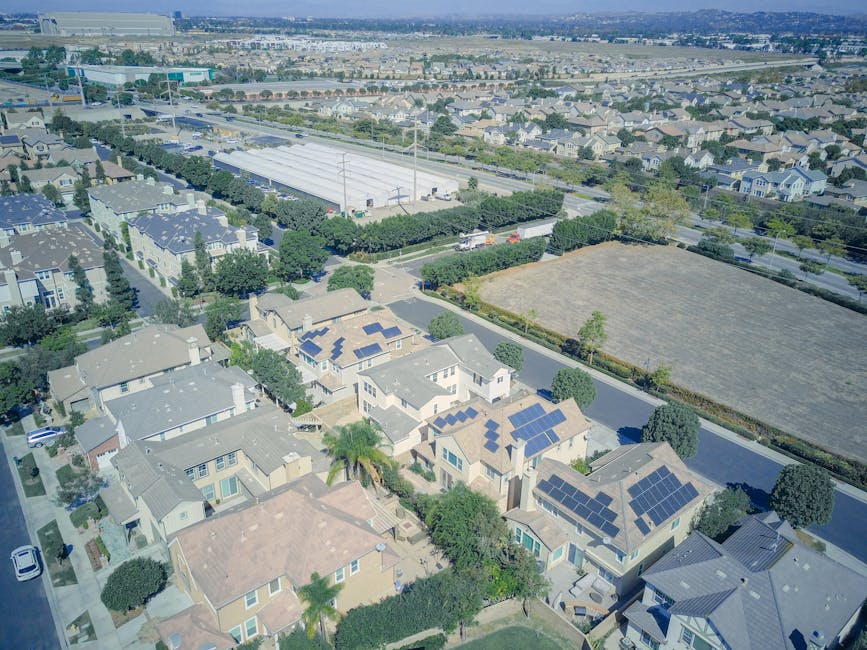
A growing number of community solar initiatives across the United States are providing residents with a way to access renewable energy without the need for private rooftop installations. These projects allow individuals to subscribe to a share of a local solar array, effectively bypassing the barriers of home ownership or high upfront costs. By participating in these programs, households can receive credits on their monthly utility bills while supporting the transition to cleaner power sources. This model is increasingly recognized as a practical solution for renters and those living in multifamily housing who were previously excluded from the solar market.
Recent financial developments have accelerated the deployment of these systems. In April 2026, the U.S.-based firm Dimension Energy secured a $650 million financing package to support a portfolio of 25 community solar projects. These installations are planned for Pennsylvania, New York, New Jersey, and Illinois, representing a total capacity of 132 megawatts. The funding includes contributions from major financial institutions such as the Mitsubishi UFJ Financial Group and First Citizens Bank, highlighting the growing institutional confidence in the community solar sector.
Beyond the financial scale, these projects offer measurable economic relief to participants. Research indicates that community solar can reduce energy bills by 5 to 20 percent for subscribers. In some cases, programs specifically designed for low- and moderate-income households have provided monthly credits that significantly offset or even cover entire electricity costs. This direct financial impact helps families manage essential living expenses while contributing to broader environmental goals.
The benefits of these initiatives extend to the stability of the local power grid. By producing electricity near the point of use, community solar projects reduce the necessity for long-distance transmission infrastructure. This localized approach can improve community resilience and decrease the strain on regional power lines. Furthermore, the development of these arrays often supports local job creation and provides educational opportunities related to power generation and delivery.
Public and private partnerships have been instrumental in the success of these programs. The U.S. Department of Energy has highlighted how working with local cooperatives can effectively increase solar access for underserved populations. One successful program implemented five community solar initiatives that directly benefited 7,800 low- and moderate-income households. These efforts have served as a foundation for developing best practices that other regions can replicate to expand their own renewable energy capacity.
Community-rooted partnerships are also helping to build trust among potential subscribers. As the model becomes more common, providers are focusing on clear communication to ensure residents understand the tangible savings available to them. Experts note that these programs are not merely about environmental impact but are also a tool for social equity. By making clean energy accessible to a wider demographic, these projects address long-standing disparities in the energy market.
The scalability of the community solar model is evident in its rapid adoption across the country. Currently, 42 states have some form of community solar projects in place, reflecting a widespread interest in decentralized energy solutions. Developers are often able to bring these projects online in as little as 18 months, allowing for a relatively quick response to regional energy needs. This speed of implementation is a key factor in the ongoing expansion of the sector.
Despite the progress, the industry continues to refine its approach to ensure long-term sustainability. Many programs are designed to be flexible, allowing for the expansion of existing arrays as demand grows within a community. For example, some utility providers have already begun planning to increase the capacity of their initial solar farms after seeing high subscription rates. This iterative process helps ensure that the supply of solar energy keeps pace with the needs of the local population.
Environmental benefits remain a primary driver for the continued support of these projects. By sharing the output of a central solar system, multiple participants contribute to a collective reduction in greenhouse gas emissions. This shared responsibility fosters a sense of community engagement in sustainable practices. As more residents participate, the cumulative effect on local pollution levels becomes more pronounced, contributing to improved air quality and public health.
Looking ahead, the focus remains on refining the equity aspects of these programs. Policymakers and developers are working to identify how to best reach those who have the most to gain from lower utility costs. By prioritizing low-income participation, the industry aims to ensure that the transition to renewable energy is inclusive. The success of current projects provides a roadmap for future efforts to integrate solar power into the fabric of diverse communities across the nation.
You've reached your free article limit
You've read 10 of 10 free articles this month. Subscribe to Planet Earth News Network for unlimited access to neutral, global journalism — plus puzzles, podcasts, and the weekly newsletter.
Already a subscriber? Sign in.
Ask the Author
Subscribers can ask the journalist a question about this story. Subscribe to ask.
Neutrality note
Auto-harvested from global news wires and presented neutrally by PENN.
to vote
Comments
No comments yet — be the first to share your thoughts.
Related stories in Solutions
Ireland Expands Community-Led Climate Action Program with New Funding
2026-11-12
Davao Prison Launches Hydroponic Facility to Boost Food Security and Rehabilitation
2026-11-11