Culinary Tradition of the Day: Asado
The sacred Argentine ritual of fire, meat, and community
Hear this story explained in 90 seconds.
Asado
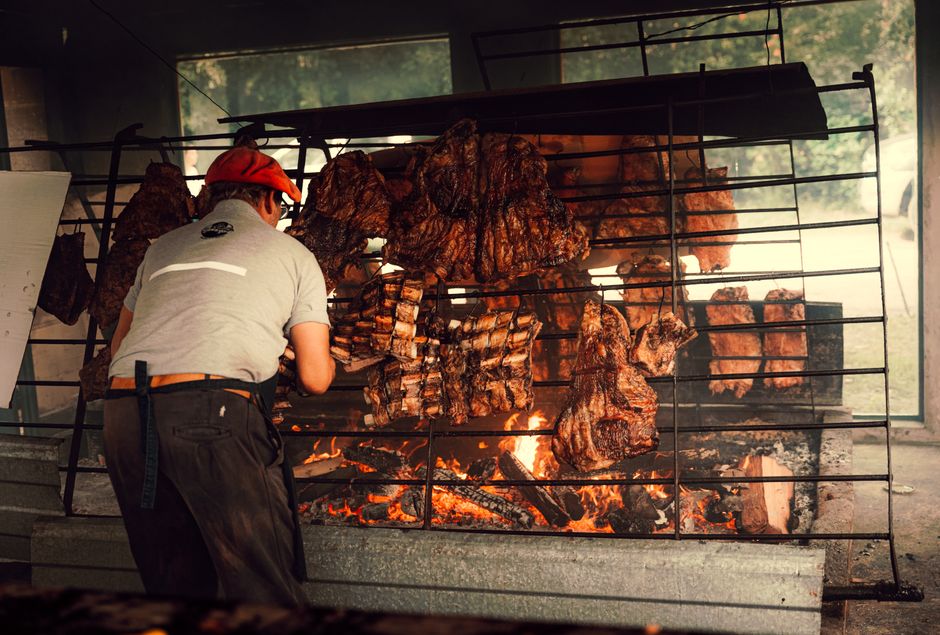
In Argentina, the term asado refers to both a specific method of grilling meat over an open flame and the social gathering that centers around this culinary practice. It is widely considered the cornerstone of Argentine culture, serving as a sacred ritual that connects friends, family, and neighbors across generations. Far more than a simple meal, the asado is an expression of national identity that emphasizes patience, community, and the appreciation of high-quality ingredients.
History
The roots of the asado trace back to the gauchos, the nomadic horsemen and cattle herders who roamed the vast plains of the Pampas. These early inhabitants developed the technique of slow-cooking meat over open fires using wood, often utilizing simple metal crosses to suspend entire animals. As the nation modernized, the tradition evolved with the arrival of British meatpackers who introduced specific cuts, such as the costillar or ribcage, which became staples of the local diet. Today, the practice remains a near-weekly ritual that honors the rugged, outdoor spirit of the country's historical cattle-herding heritage.
Cultural Significance
The asado is a deeply communal event that prioritizes the act of sharing time together over the speed of service. A designated grill master, known as the asador, is appointed to manage the fire and the meat, a craft often passed down through families and perfected over many years. The event is defined by the concept of sobremesa, which refers to the long, relaxed conversations that continue for hours after the food has been consumed. It is a social equalizer that brings people together regardless of their background, serving as the primary venue for celebration and connection in Argentine life.
How It Works
Preparing an authentic asado is a slow process that requires constant attention to heat management rather than complex seasoning. The asador typically uses wood or charcoal to create a bed of glowing embers, which are then scattered beneath a metal grill called a parilla. The meat is rarely marinated, as the tradition relies on the natural flavor of the beef, which is seasoned only with salt before or during the cooking process. A typical spread includes a variety of cuts such as beef, chorizo, and morcilla, often accompanied by chimichurri sauce and fresh salads.
Representative Recipe
Traditional Argentine Asado
A slow-cooked feast of various meats seasoned simply with salt and served with fresh chimichurri.
Prep time: 30 min | Cook time: 300 min | Total time: 330 min | Yield: 6 servings | Difficulty: Medium
Ingredients
- 2 kg beef ribs (costillar)
- 500 g chorizo sausages
- 500 g morcilla (blood sausage)
- 50 g coarse sea salt
- 1 bunch fresh parsley, finely chopped
- 4 cloves garlic, minced
- 100 ml olive oil
- 30 ml red wine vinegar
Instructions
- Prepare a wood or charcoal fire and allow it to burn down until you have a consistent bed of glowing embers.
- Arrange the embers beneath the parilla, creating zones of varying heat intensity to accommodate different cuts of meat.
- Season the beef ribs generously with coarse sea salt and place them on the grill, bone-side down, to cook slowly for several hours.
- Add the chorizo and morcilla to the grill once the beef is nearing completion, turning them occasionally until they are browned and cooked through.
- Whisk together the parsley, garlic, olive oil, and vinegar to create the chimichurri sauce while the meat rests.
- Serve the meats directly from the grill, sliced into portions, and accompanied by the fresh chimichurri.
Notes
The asado is best served with a robust red wine, such as a Malbec, to complement the richness of the grilled meats. Leftovers can be stored in an airtight container for up to two days, though the dish is traditionally intended to be enjoyed in one sitting. Variations often include adding sweetbreads or other offal, known as achuras, as a starter before the main cuts are served.
You've reached your free article limit
You've read 10 of 10 free articles this month. Subscribe to Planet Earth News Network for unlimited access to neutral, global journalism — plus puzzles, podcasts, and the weekly newsletter.
Already a subscriber? Sign in.
Subscribers can ask the journalist a question about this story. Subscribe to ask.
Related Games
WBA
- Jaime Munguía def. Nikita Zon by UD, R12 (Nov 2026)
Culinary Tradition of the Day feature by the PENN Food & Spirits Desk.
Comments
No comments yet — be the first to share your thoughts.
PENN's lifestyle and culinary department, covering global cuisine — the origins, traditions, and recipes behind the world's dishes, with deep histories and cultural context that go beyond the plate. and PENN's beverage-focused culinary team, dedicated to spirits and drinks — covering distilleries, breweries, and producers worldwide, with histories, tasting notes, professional reviews, and cocktail traditions.
View all articles by Desk →