
European Feed Industry Faces Potential Supply Shortfalls Due to New Deforestation Regulations
New compliance requirements for soy imports could create a 4-million-tonne supply gap for European livestock producers by 2027.

PENN Explainer
Hear this story explained in 90 seconds.
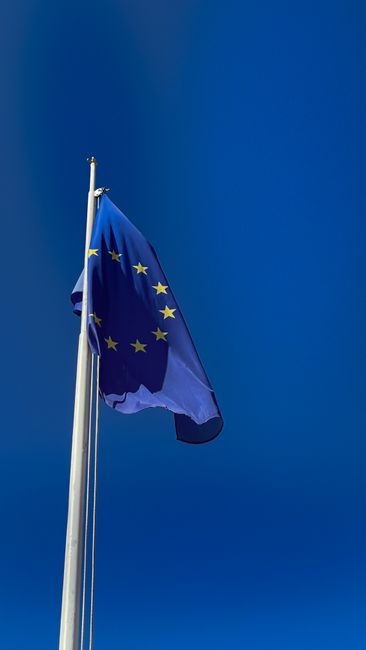
The European feed industry is bracing for significant supply chain disruptions as it prepares for the full implementation of the European Union Deforestation Regulation. The European Feed Manufacturers' Federation, known as FEFAC, recently released an updated risk assessment highlighting a potential shortfall of 4 million tonnes of soybean meal. This gap represents approximately 20 percent of the total annual footprint for the European Union, threatening to increase costs for livestock producers across the continent.
The regulation requires that products placed on the European market do not contribute to forest degradation or deforestation. While the policy aims to promote global sustainability, industry experts warn that the transition is creating immediate logistical hurdles. Companies are struggling to secure enough certified, deforestation-free soy to meet the strict traceability standards mandated by the new rules.
FEFAC experts have expressed particular concern regarding the availability of niche products, such as organic and non-genetically modified soy. These specialized supply chains are often more complex and harder to verify under the new legal framework. Consequently, the cost of compliance is expected to rise, with estimates suggesting that segregated supply chains could add up to 50 euros per tonne to market prices.
Beyond the regulatory challenges, the European agricultural sector is simultaneously managing the effects of extreme weather. Persistent heat and water deficits across central and western Europe have already reduced summer crop yields by 14 percent below the five-year average. This environmental pressure has forced the region to rely more heavily on imported protein sources, making the potential soy supply gap even more critical.
The European Commission has acknowledged these difficulties and is working to simplify the implementation process. In May 2026, the Commission published a review of the regulation, introducing new trade facilitation tools and updated guidance documents. These measures are designed to help operators navigate the requirements while maintaining the integrity of the deforestation-free mandate.
Despite these efforts, the structural dependency of the European Union on imported protein remains a significant vulnerability. The European Commission’s Protein Action Plan highlights that while domestic production is encouraged, the region will continue to rely on global markets for the foreseeable future. This reliance makes the stability of international trade routes and the efficiency of certification schemes vital for food security.
Global commodity traders are now adjusting their operations to meet these evolving standards. Some countries, such as the United States, are viewed as being in a strong position due to existing mapping tools and established value chain programs. Other regions are working to implement best-practice guidance to ensure their exports remain compatible with the European market requirements.
The situation has prompted a broader conversation about the resilience of global food systems. As supply chains become increasingly multipolar, the ability to balance environmental goals with the need for affordable feed and food is a primary concern for policymakers. International organizations are monitoring the situation closely to prevent market volatility from impacting vulnerable populations.
Looking ahead, the industry expects a period of adjustment as companies invest in new traceability technologies. These investments are intended to provide the transparency required by the regulation while minimizing the risk of supply chain gaps. The success of these efforts will likely determine the stability of the European livestock sector through 2027 and beyond.
Ultimately, the challenge lies in harmonizing global agricultural practices with the European Union's environmental objectives. As the deadline for full compliance approaches, stakeholders are focusing on collaborative solutions to ensure that food security is not compromised by the transition to more sustainable supply chains.
You've reached your free article limit
You've read 10 of 10 free articles this month. Subscribe to Planet Earth News Network for unlimited access to neutral, global journalism — plus puzzles, podcasts, and the weekly newsletter.
Already a subscriber? Sign in.
Ask the Author
Subscribers can ask the journalist a question about this story. Subscribe to ask.
Neutrality note
Auto-harvested from global news wires and presented neutrally by PENN.
to vote
Comments
No comments yet — be the first to share your thoughts.
Related stories in Agriculture & Food Security
European Union Postpones Deforestation Regulation to 2026
2026-11-13
Indonesia and China Launch Strategic Partnership to Boost Domestic Garlic Production
2026-11-13