Federal Reserve Weighs Future Rate Hikes Following October Policy Pause
Internal divisions emerge as U.S. central bank monitors inflation and labor market data ahead of December meeting

PENN Explainer
Hear this story explained in 90 seconds.
The United States Federal Reserve maintained its benchmark interest rate in a target range of 3.75 to 4.00 percent during its policy meeting on October 28, 2026. While the decision to hold rates steady was approved by the Federal Open Market Committee, the vote was not unanimous. Two members of the committee dissented, signaling ongoing internal debate regarding the necessity of further monetary tightening to combat persistent inflation.
Market participants are now closely watching upcoming economic reports to gauge the likelihood of a rate increase at the central bank's final meeting of the year in December. Traders in futures markets currently estimate a 75 percent probability of a rate hike occurring before the end of 2026. This outlook is driven by data showing that inflation remains significantly above the Federal Reserve's long-term goal of 2 percent.
Labor market performance remains a critical factor in the committee's decision-making process. Economists surveyed by Bloomberg expect the U.S. Department of Labor to report that the economy added 60,000 jobs in October, a notable increase from the 29,000 jobs added in September. A stronger-than-expected labor report could provide the central bank with more room to raise rates without risking a sharp economic downturn.
Federal Reserve Chair Kevin Warsh has maintained a cautious stance, declining to provide specific guidance on future policy moves. Speaking at an international gathering in Bangkok, Warsh stated that he does not prejudge upcoming meetings. His approach reflects the committee's desire to remain data-dependent as they navigate complex macroeconomic conditions.
Geopolitical tensions and energy price volatility continue to complicate the economic outlook for the United States. Rising costs for oil and natural gas have contributed to inflationary pressures, forcing the central bank to balance the need for price stability against the risk of slowing economic growth. Analysts note that the resilience of the U.S. economy has been tested by these external shocks throughout the year.
Corporate earnings reports have also influenced market sentiment, with some disappointing results leading to increased caution among investors. Concerns regarding the high costs of artificial intelligence infrastructure and potential returns on long-term technology investments have added to market volatility. These factors are being weighed alongside the Federal Reserve's monetary policy trajectory.
Beyond the United States, other central banks are facing similar challenges as they manage inflation and growth. The Bank of England is expected to consider its first interest rate increase in over three years, while the Norges Bank in Norway maintains a higher benchmark rate of 4.5 percent. These global developments highlight a broader trend of central banks grappling with the effects of sticky inflation.
Investors are particularly focused on the upcoming consumer price index data scheduled for release on November 10. This report will serve as the final major inflation reading before the Federal Reserve's December meeting. The data will be instrumental in helping officials determine whether current interest rate levels are sufficient to bring inflation back toward the 2 percent target.
At the December meeting, the Federal Reserve will also publish its updated projections for economic growth, unemployment, and interest rates. These forecasts, often referred to as the dot plot, provide insight into the individual expectations of committee members for the coming years. The release of these projections is expected to clarify the central bank's long-term strategy.
As the year concludes, the balance between maintaining maximum employment and achieving price stability remains the core of the Federal Reserve's dual mandate. The committee must decide if the current economic expansion is robust enough to withstand further tightening. The decisions made in the coming weeks will likely set the tone for monetary policy as the country enters 2027.
You've reached your free article limit
You've read 10 of 10 free articles this month. Subscribe to Planet Earth News Network for unlimited access to neutral, global journalism — plus puzzles, podcasts, and the weekly newsletter.
Already a subscriber? Sign in.
Ask the Author
Subscribers can ask the journalist a question about this story. Subscribe to ask.
Neutrality note
Auto-harvested from global news wires and presented neutrally by PENN.
to vote
Comments
No comments yet — be the first to share your thoughts.
Related stories in Markets & Economy

Swiss National Bank Maintains Policy Rate at Zero Amid Global Economic Uncertainty
2026-11-08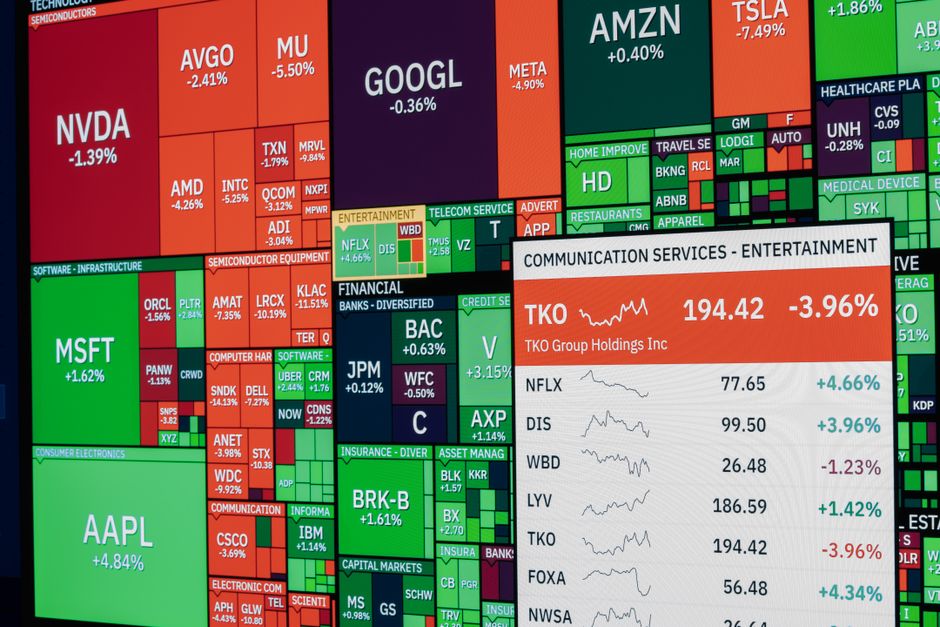
Global Markets Face Heightened Volatility as Investors Reassess AI and Energy Risks
2026-11-08