Global Markets Face Heightened Volatility as Investors Reassess AI and Energy Risks
Central banks remain vigilant as rising bond yields and shifting energy prices create uncertainty for international investors.

PENN Explainer
Hear this story explained in 90 seconds.
Global financial markets experienced a period of significant volatility this week as investors grappled with concerns over the long-term returns of artificial intelligence investments. Major indices saw fluctuations as market participants weighed the potential for cooling growth in the technology sector against broader economic indicators. This shift in sentiment has prompted a wider reassessment of risk across international equity markets.
Bond yields have continued their upward trajectory, with the United States 10-year Treasury yield breaching the 5% threshold in September. This rise in yields reflects a broader trend of tightening financial conditions that is influencing borrowing costs for businesses and governments worldwide. Analysts suggest that the sustained increase in yields is a primary driver of the current cautious atmosphere among institutional investors.
Central banks are closely monitoring these developments as they navigate the challenge of maintaining price stability. Policymakers are particularly concerned about the potential for second-round inflation effects, where rising energy costs lead to higher wage demands and sustained price increases. This environment has forced central banks to maintain a hawkish stance, signaling that interest rates may need to remain elevated for an extended period.
In Europe, economic data has provided a mixed picture of the region's recovery. Retail sales in the eurozone fell by 0.7% in September, highlighting the pressure that persistent inflation and high energy costs are placing on consumer spending. Meanwhile, industrial production in countries like Norway and Spain has shown signs of resilience, suggesting that specific sectors are managing to navigate the current economic headwinds.
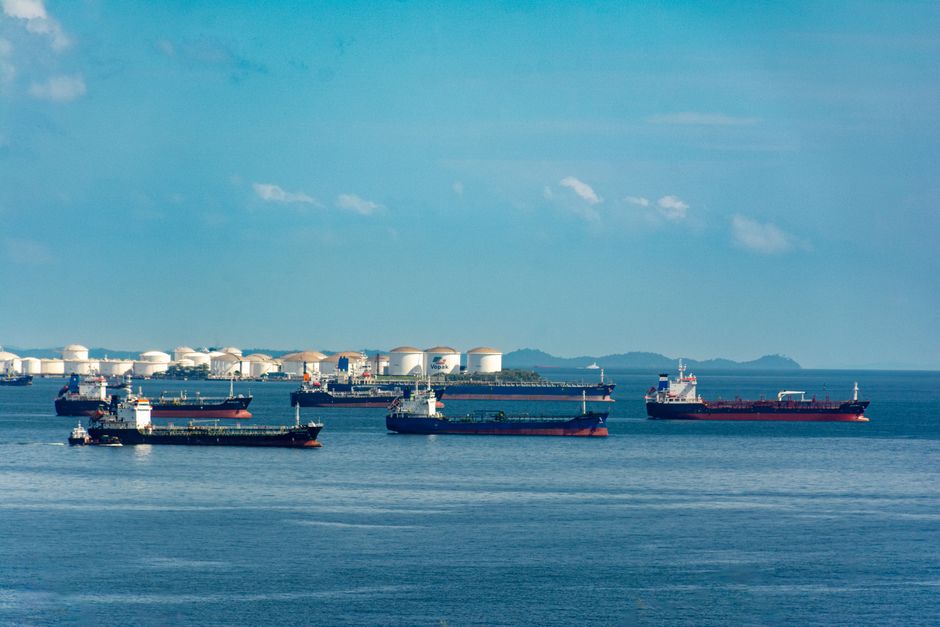
Energy prices remain a critical factor in the global economic outlook. While crude oil prices have seen some fluctuations, the ongoing conflict in the Middle East continues to create uncertainty regarding supply chains and future price stability. Governments are actively reviewing their energy strategies to ensure that domestic markets remain protected from sudden shocks in global fuel costs.
In Asia, markets have shown a more varied performance as countries adjust to shifting trade dynamics. China has focused on advancing high-quality bilateral economic cooperation with partners like Oman to strengthen industrial and supply chains. These efforts are part of a broader strategy to foster a more resilient economic environment amid global development imbalances.
Policymakers in various nations are also preparing for upcoming economic data releases that could influence future monetary policy decisions. In the United States, upcoming consumer price inflation data is expected to provide further clues regarding the likelihood of additional interest rate hikes before the end of the year. Similar data releases in the eurozone and the United Kingdom are being watched closely by analysts for signs of cooling or accelerating price pressures.
Labor market data continues to be a key focus for central banks as they assess the strength of their respective economies. Recent reports have shown that while some regions are experiencing a cooling in job growth, others maintain low unemployment rates that support consumer demand. This divergence in labor market performance is complicating the task for policymakers who must balance growth objectives with the need to curb inflation.
International trade remains a central theme as nations look to diversify their export routes and strengthen economic partnerships. The Council of Economic and Development Affairs in Saudi Arabia recently reviewed reports on global growth, emphasizing the Kingdom's role in supporting international price stability. Such initiatives reflect a growing trend of nations taking proactive steps to mitigate the impact of geopolitical shifts on their domestic economies.
Looking ahead, the focus for global markets will remain on the interplay between inflation, interest rates, and corporate earnings. Investors are expected to remain cautious as they wait for clearer signals from central banks regarding the path of monetary policy in 2027. The ability of the global economy to absorb these pressures will likely determine the trajectory of market performance in the coming months.
You've reached your free article limit
You've read 10 of 10 free articles this month. Subscribe to Planet Earth News Network for unlimited access to neutral, global journalism — plus puzzles, podcasts, and the weekly newsletter.
Already a subscriber? Sign in.
Ask the Author
Subscribers can ask the journalist a question about this story. Subscribe to ask.
Neutrality note
Auto-harvested from global news wires and presented neutrally by PENN.
to vote
Comments
No comments yet — be the first to share your thoughts.