
Food of the Day: Kung Pao Chicken
A deep dive into the history and preparation of the iconic Sichuanese stir-fry
Hear this story explained in 90 seconds.
Kung Pao Chicken
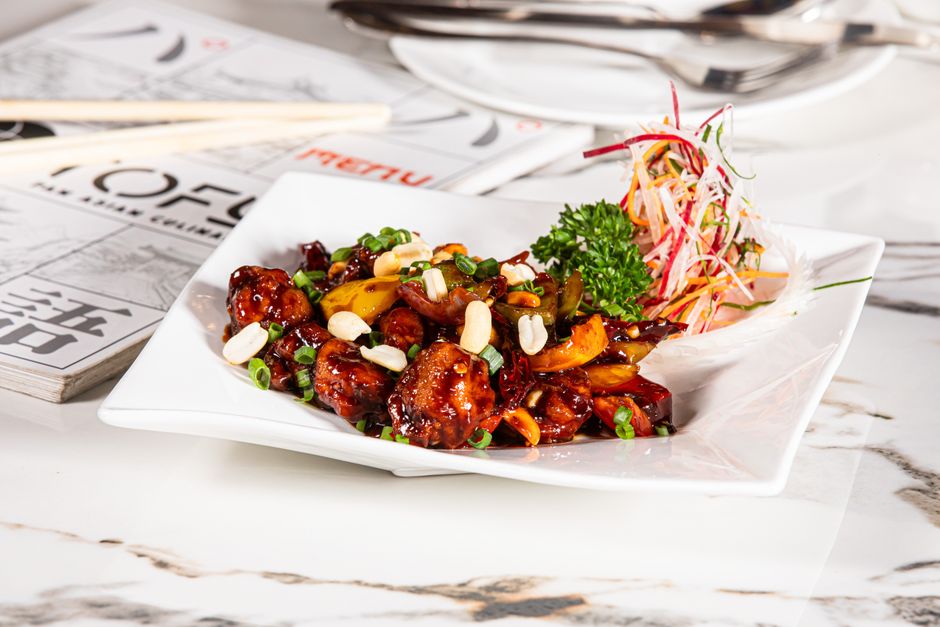
Kung Pao chicken is a celebrated stir-fried dish originating from the Sichuan Province of southwestern China. It is defined by its bold combination of tender chicken cubes, crunchy peanuts, and a distinctively spicy, numbing flavor profile. While regional variations exist throughout China and abroad, the dish remains a staple of Sichuanese cuisine known for its complex balance of savory, sweet, and spicy elements.
History
The origins of Kung Pao chicken are tied to the Qing Dynasty and are often attributed to Ding Baozhen, a 19th-century governor-general of Sichuan Province. According to the Los Angeles Times, historical accounts suggest the dish was named after his official title, Gong Bao, which translates to palace guardian. Some narratives claim the dish was created to accommodate the governor's preference for small, tender pieces of meat due to dental issues. During the Cultural Revolution, the dish faced political scrutiny and was briefly renamed to avoid association with imperial titles, though it eventually reclaimed its original identity.
Cultural Traditions
In its native Sichuan, Kung Pao chicken is traditionally prepared as a dry stir-fry, focusing on the intense, concentrated flavors of the sauce rather than a large volume of liquid. It is a common feature in both daily home cooking and restaurant settings, often served alongside steamed white rice to balance the heat of the dried chiles and Sichuan peppercorns. The dish is frequently enjoyed as part of a larger meal shared among family or friends, reflecting the communal nature of Chinese dining customs. While the Americanized version often incorporates bell peppers and a sweeter sauce, the core components of chicken, peanuts, and aromatics remain central to its identity across the globe.
Kung Pao Chicken
A classic Sichuanese stir-fry featuring tender marinated chicken, roasted peanuts, and a signature numbing spice blend.
Prep time: 20 min | Cook time: 10 min | Total time: 30 min | Yield: 4 servings | Difficulty: Medium
Ingredients
- 1.5 pounds (680 grams) boneless, skinless chicken thighs, cut into 1-inch cubes
- 1 tablespoon (8 grams) cornstarch
- 1 tablespoon (15 milliliters) neutral oil
- 1 tablespoon (15 milliliters) dark soy sauce
- 1 teaspoon (5 grams) baking soda
- 2 tablespoons (30 milliliters) neutral high-heat oil for stir-frying
- 3 cloves (10 grams) garlic, finely minced
- 1 teaspoon (5 grams) finely minced ginger
- 8 to 10 whole dried Chinese chiles
- 0.5 cup (75 grams) diced red bell pepper
- 0.5 cup (75 grams) diced green bell pepper
- 2 scallions, bias-sliced, whites and greens separated
- 0.33 cup (45 grams) roasted peanuts
Sauce
- 0.5 cup (120 milliliters) chicken stock
- 1 tablespoon cornstarch
- 2 tablespoons (30 milliliters) oyster sauce
- 1 tablespoon (10 grams) chicken powder
- 2 teaspoons (10 milliliters) dark soy sauce
- 2 teaspoons chili-garlic sauce
- 1 teaspoon (5 milliliters) Chinkiang vinegar
- 1 teaspoon (2 grams) Sichuan peppercorn powder
Instructions
- Combine the chicken with cornstarch, neutral oil, dark soy sauce, baking soda, and 1 tablespoon of water in a bowl. Stir for 1 minute until the meat is tacky and let it rest for 15 minutes.
- Whisk together the chicken stock, cornstarch, oyster sauce, chicken powder, dark soy sauce, chili-garlic sauce, vinegar, and Sichuan peppercorn powder in a small bowl until smooth.
- Heat a wok or large skillet over high heat for 2 minutes, then add the neutral oil until it begins to smoke.
- Add the garlic, ginger, and dried chiles, frying for 10 seconds until fragrant.
- Add the chicken and spread it out in the pan, searing for 60 seconds before stirring until the edges are light brown.
- Add the onion, bell peppers, and scallion whites, tossing for 1 minute until slightly softened.
- Pour the sauce mixture into the pan and stir constantly until the sauce thickens and coats the chicken evenly.
- Remove from heat, stir in the roasted peanuts and scallion greens, and serve immediately.
Notes
Serve this dish over steamed jasmine rice to soak up the flavorful sauce. For a lighter variation, the chicken can be replaced with tofu or shrimp. Store leftovers in an airtight container in the refrigerator for up to two days, though the peanuts may lose their crunch over time.
You've reached your free article limit
You've read 10 of 10 free articles this month. Subscribe to Planet Earth News Network for unlimited access to neutral, global journalism — plus puzzles, podcasts, and the weekly newsletter.
Already a subscriber? Sign in.
Subscribers can ask the journalist a question about this story. Subscribe to ask.
Food of the Day feature with recipe by the PENN Food & Spirits Desk.
Comments
No comments yet — be the first to share your thoughts.
PENN's lifestyle and culinary department, covering global cuisine — the origins, traditions, and recipes behind the world's dishes, with deep histories and cultural context that go beyond the plate. and PENN's beverage-focused culinary team, dedicated to spirits and drinks — covering distilleries, breweries, and producers worldwide, with histories, tasting notes, professional reviews, and cocktail traditions.
View all articles by Desk →

