Freetown Pioneers 'Treetown' Initiative to Combat Climate Risks
Sierra Leone’s capital implements a community-led 'pay-to-grow' model to restore urban forests and protect residents from landslides.

PENN Explainer
Hear this story explained in 90 seconds.
The city of Freetown, Sierra Leone, has launched an ambitious initiative to transform itself into the world’s first 'Treetown' to address the growing threats of urban heat and landslides. As one of the rainiest cities in the world, Freetown has faced severe environmental challenges caused by rapid, unplanned urban expansion and the loss of vital green cover. The project aims to restore green infrastructure while simultaneously providing a productive social safety net for local residents. By integrating nature-based solutions into urban planning, the city is working to mitigate the impact of extreme weather events on its most vulnerable populations.
A central innovation of the campaign is the 'pay-to-grow' model, which incentivizes residents to take an active role in reforestation. Participants are involved in every stage of the process, including site selection, tree planting, and long-term maintenance. To track progress and ensure accountability, the city utilizes the 'Treetracker' app, which allows residents to record tree growth and receive small mobile payments for their efforts. This results-based financing approach ensures that resources are directed toward those who are directly responsible for the survival of the new trees.
The initiative is designed to serve as a social safety net, particularly for women and youth, by creating economic opportunities through environmental stewardship. By ringfencing revenue for these projects, the city has successfully directed 80% of its resources back into local communities. This strategy has fostered a strong sense of ownership among residents, which is critical for the long-term success of reforestation efforts. The project demonstrates how climate interventions can be effectively combined with poverty reduction strategies to create more resilient urban environments.
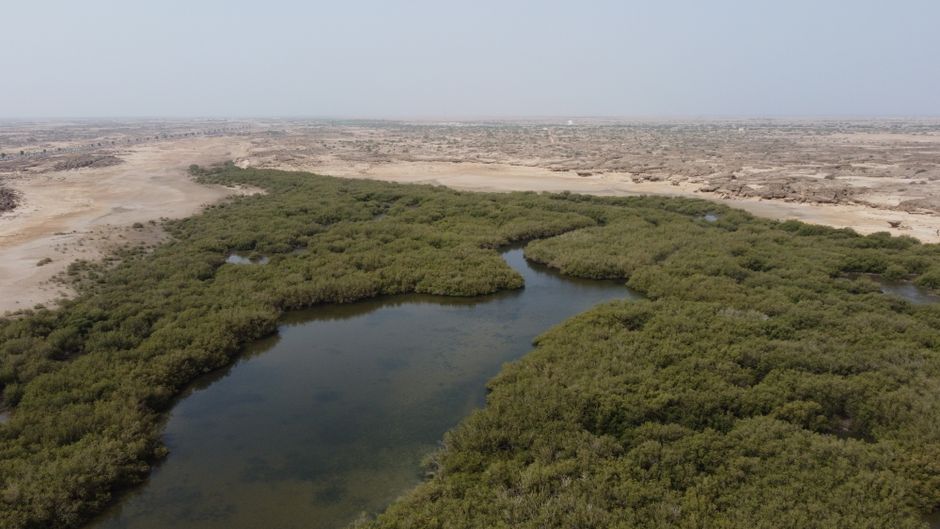
Beyond the immediate economic benefits, the restoration of green cover provides essential ecosystem services that protect the city from natural disasters. Mangrove restoration is a key component of the plan, as these areas serve as vital spawning grounds for fish and natural barriers against flooding. By stabilizing slopes and improving soil health, the new tree canopy helps to reduce the risk of landslides that have historically plagued the region. These nature-based solutions are being integrated into the city's broader disaster management and climate adaptation strategies.
The success of the Treetown initiative highlights the importance of community co-production in urban development. By shifting the narrative around urbanization and deforestation, Freetown is setting a precedent for other cities facing similar climate pressures. The involvement of local organizations and community members has been essential in ensuring that the projects are both culturally relevant and ecologically sound. As the city continues to expand its canopy, it provides a scalable model for how urban centers can leverage local knowledge to build a more sustainable future.
You've reached your free article limit
You've read 10 of 10 free articles this month. Subscribe to Planet Earth News Network for unlimited access to neutral, global journalism — plus puzzles, podcasts, and the weekly newsletter.
Already a subscriber? Sign in.
Ask the Author
Subscribers can ask the journalist a question about this story. Subscribe to ask.
Neutrality note
Auto-harvested from global news wires and presented neutrally by PENN.
to vote
Comments
No comments yet — be the first to share your thoughts.