
Saudi Arabia Launches Ambitious National Greening Program to Restore Degraded Landscapes
The initiative aims to plant 215 million trees by 2030 to combat desertification and improve urban air quality.
PENN Explainer
Hear this story explained in 90 seconds.
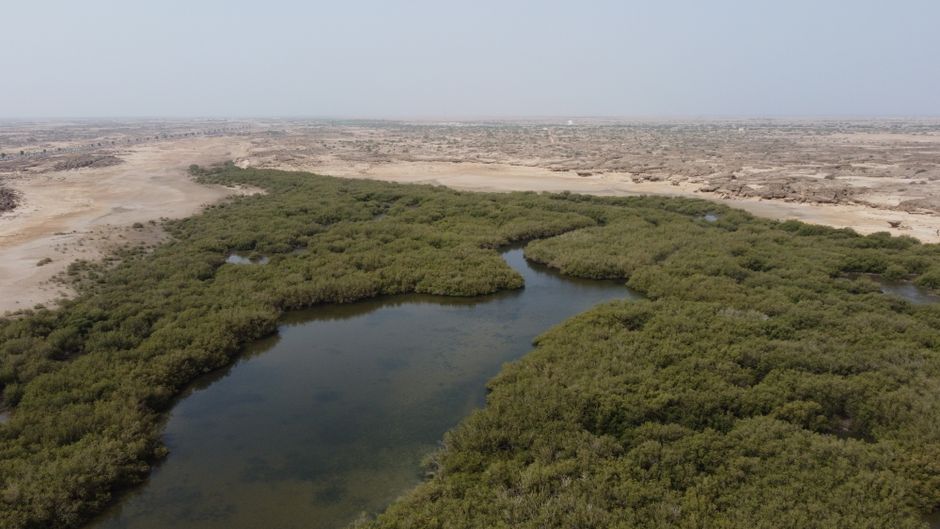
Saudi Arabia has launched a comprehensive National Greening Program designed to transform degraded landscapes across the country. The initiative focuses on restoring rangelands, forests, deserts, and coastal ecosystems, including the protection and expansion of mangrove habitats. By 2030, the program aims to restore 2.5 million hectares of land and plant 215 million trees nationwide. This effort is a central component of the Kingdom's broader environmental and climate resilience strategy.
The program addresses the urgent need to mitigate the effects of drought and desertification in a region highly vulnerable to climate change. By reintroducing native vegetation and managing grazing practices, the government seeks to stabilize soil and improve water retention in arid environments. These nature-based solutions are intended to create a more sustainable balance between human activity and the natural landscape. The project also emphasizes the importance of urban greening to improve air quality and reduce the heat island effect in growing cities.
Beyond environmental restoration, the initiative is expected to generate significant economic opportunities for local populations. Projections indicate that the program could create up to 187,000 jobs across various sectors, including forestry, land management, and environmental monitoring. By involving local communities in the planting and maintenance processes, the government aims to ensure the long-term success and sustainability of the restored areas. This approach links ecological health directly to livelihood support and economic development.
The scale of the project is unprecedented for the region, requiring coordination between government institutions, researchers, and local stakeholders. Restoration activities include reforestation, natural regeneration, and the reintroduction of indigenous plant species that are well-adapted to the local climate. These efforts are supported by scientific research to ensure that the chosen methods are effective and environmentally sound. The program also incorporates advanced monitoring technologies to track the growth and survival rates of the newly planted trees.
International recognition of the program highlights its role in global efforts to combat land degradation. The initiative was recently honored as a restoration flagship during the United Nations Convention to Combat Desertification (UNCCD) COP17 in Mongolia. This recognition underscores the potential for large-scale restoration projects to serve as models for other nations facing similar environmental challenges. The success of the program is seen as a vital step in strengthening the resilience of the Kingdom's ecosystems against future climate impacts.
As the program moves forward, the focus will remain on scaling up operations and maintaining the quality of the restored land. Future phases will likely involve further integration of water management techniques to support the newly established forests and rangelands. The government continues to emphasize that the program is a long-term commitment to environmental stewardship. By prioritizing nature-based solutions, Saudi Arabia aims to secure a more stable and productive landscape for future generations.
You've reached your free article limit
You've read 10 of 10 free articles this month. Subscribe to Planet Earth News Network for unlimited access to neutral, global journalism — plus puzzles, podcasts, and the weekly newsletter.
Already a subscriber? Sign in.
Ask the Author
Subscribers can ask the journalist a question about this story. Subscribe to ask.
Neutrality note
Auto-harvested from global news wires and presented neutrally by PENN.
to vote
Comments
No comments yet — be the first to share your thoughts.
Related stories in Solutions

Davao Prison Launches Hydroponic Facility to Boost Food Security and Rehabilitation
2026-11-11
Brazilian Cities Integrate Urban Agriculture to Bolster Food Security and Climate Resilience
2026-11-11