Global Commercial Real Estate Markets Show Resilience Amid Economic Shifts
Investment activity remains robust in Asia Pacific while office vacancy rates tighten in key urban centers worldwide.

PENN Explainer
Hear this story explained in 90 seconds.
Global commercial real estate markets are demonstrating notable resilience as of late 2026, despite a complex economic environment marked by geopolitical tensions and fluctuating interest rates. While some regions have experienced a moderation in investment sales, property fundamentals continue to support long-term growth across various sectors. Investors are increasingly targeting specialized areas such as student and seniors housing to diversify their portfolios.
The Asia Pacific region has emerged as a standout performer, recording significant growth in transaction volumes throughout the year. Japan and Australia have been central to this liquidity, with Japan maintaining its status as a highly active market for commercial property. Singapore has also seen exceptional growth, driven by strong demand for high-quality office space and strategic development partnerships.
In the office sector, global leasing activity reached new post-pandemic highs earlier this year, with the United States leading the trend. Although headline vacancy rates remain elevated in some areas, they often mask a polarized market where demand is concentrated in modern, high-quality buildings. Obsolete or secondary office stock continues to face higher vacancy levels as companies prioritize upgrades and expansions.
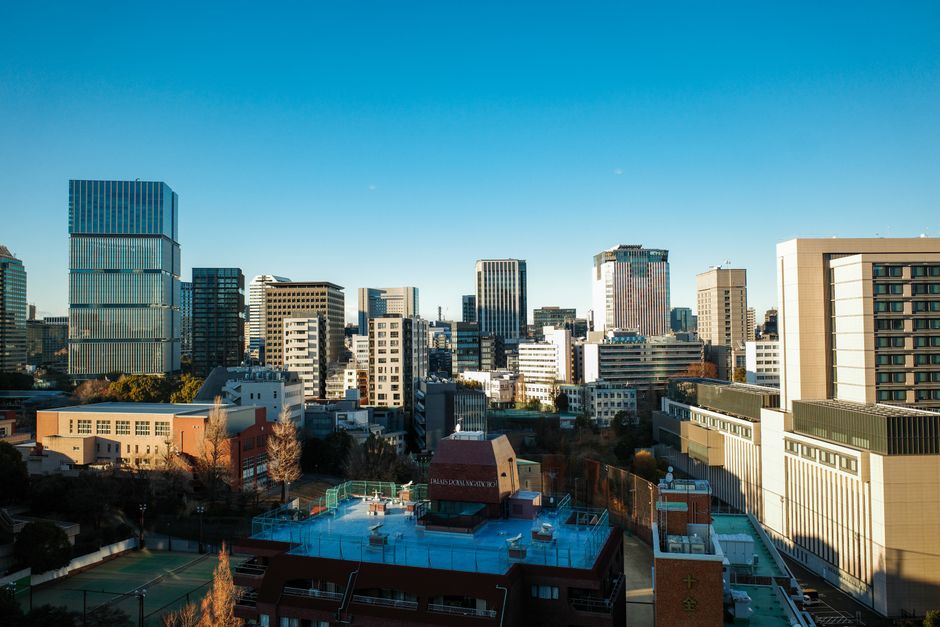
Tokyo has seen a significant tightening of office supply, with Grade A vacancy rates falling below one percent for the first time in several years. This scarcity has pushed rents to record highs, a trend mirrored in other Japanese cities like Osaka and Fukuoka. Landlords in these markets are actively raising asking rents as competition for prime office space intensifies among corporate tenants.
Singapore’s office market is similarly experiencing a period of constrained supply, which has helped push vacancy rates to their lowest levels since early 2024. The Downtown Core remains the most active submarket, accounting for more than half of the island's net demand in the third quarter. Analysts expect this trend of tight supply and rising rents to persist through the remainder of the year.
Construction activity remains a critical factor in global market dynamics, with new deliveries for office space near record lows in several mature economies. High build costs and economic uncertainty have thinned the development pipeline, making the retrofitting of existing assets a more attractive option for many developers. This shift toward repositioning older buildings is helping to address the shortage of modern, energy-efficient office space.
Technological integration is also reshaping the commercial real estate landscape, with artificial intelligence playing a larger role in property management. Many companies are now seeking hospitality-grade, AI-enabled buildings to improve operational efficiency and enhance the experience for their employees. This demand for smart infrastructure is influencing investment decisions and long-term portfolio strategies for major occupiers.
Sustainability has become a necessary component of modern development, with onsite energy generation emerging as a key priority. Commercial properties are increasingly incorporating features like rooftop solar and onsite storage to manage energy constraints and meet environmental goals. These investments are seen as essential for maintaining the long-term value of commercial assets in a changing climate.
Despite the potential for higher interest rates, capital markets have maintained a high level of functionality and activity. Investors continue to deploy significant capital into commercial real estate, viewing the sector as a core strategic allocation. While geopolitical conflicts remain a concern for market participants, they have not yet impaired the overall flow of investment capital.
Looking ahead, the living sector is expected to remain a primary focus for institutional investors globally. The combination of regulatory pressures and housing affordability challenges will likely continue to shape investment strategies in the coming months. As markets navigate these pressures, the focus remains on balancing supply dynamics with the evolving needs of global tenants.
You've reached your free article limit
You've read 10 of 10 free articles this month. Subscribe to Planet Earth News Network for unlimited access to neutral, global journalism — plus puzzles, podcasts, and the weekly newsletter.
Already a subscriber? Sign in.
Ask the Author
Subscribers can ask the journalist a question about this story. Subscribe to ask.
Neutrality note
Auto-harvested from global news wires and presented neutrally by PENN.
to vote
Comments
No comments yet — be the first to share your thoughts.
Related stories in Real Estate & Housing

U.S. Commercial Real Estate Faces Continued Financial Strain as Mall Defaults Rise
2026-11-17
U.S. Commercial Real Estate Faces Mounting Pressure as Billions in Debt Reach Maturity
2026-11-17