
India Adjusts Grain Export Policies Amid Monsoon-Driven Production Forecasts
Government maintains record domestic stocks as weather patterns impact future harvest projections
PENN Explainer
Hear this story explained in 90 seconds.
The Indian government is navigating a complex agricultural landscape as recent meteorological forecasts predict below-normal rainfall for the August-September period. These weather patterns are expected to influence planting cycles and overall yield prospects for several key grain varieties across the country. In response, officials have adjusted production forecasts for the 2026/2027 marketing year to account for these environmental challenges.
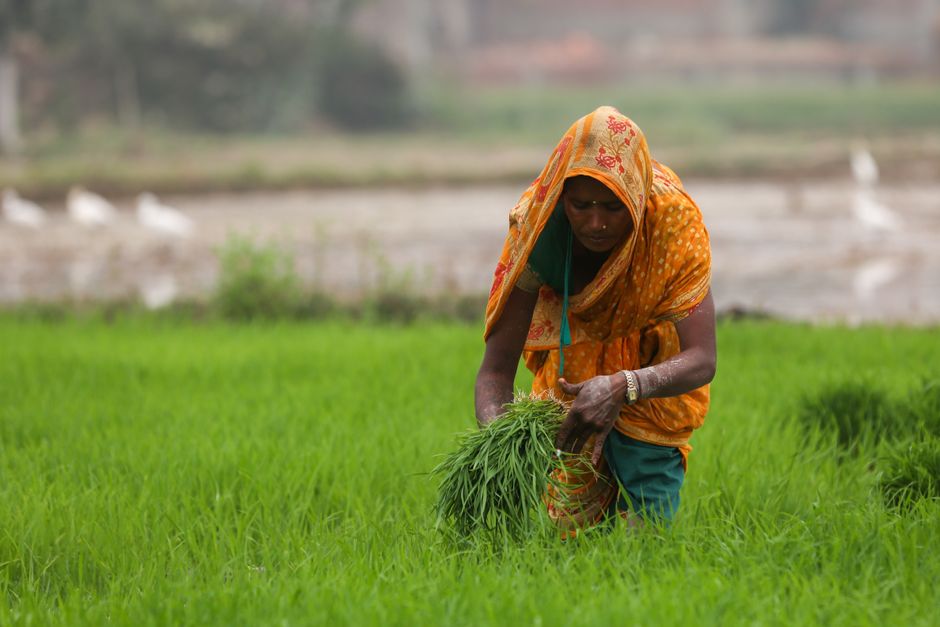
According to the latest data from the United States Department of Agriculture, rice production estimates for India have been lowered to 147 million metric tons. Similarly, corn production projections have been adjusted to 50 million metric tons due to the impact of a weak monsoon season. Despite these downward revisions, the nation maintains a robust buffer of grain supplies to ensure domestic food security.
Record carryover stocks from previous years are expected to offset the anticipated production declines, providing a stable foundation for the domestic market. Official estimates indicate that ending stocks have reached a record 58.5 million metric tons, which officials believe will provide more than sufficient supplies for the population. This strategic reserve remains a central pillar of India's approach to managing agricultural volatility.
Export policies for various commodities continue to evolve as the government balances domestic needs with international commitments. While some export volumes have been revised slightly lower, India continues to authorize shipments of non-basmati white rice to a diverse range of partner nations. These exports are permitted based on specific government requests to assist other countries in fulfilling their own food security requirements.
This approach aligns with broader international discussions regarding the stability of global food systems. During recent G20 trade meetings, Indian officials emphasized the importance of maintaining open trade channels and preventing the use of food as a tool of geopolitical influence. Commerce Minister Piyush Goyal highlighted that protecting the global food supply chain is essential, particularly for developing economies in the Global South.
India has also demonstrated a commitment to international cooperation through various development partnerships and humanitarian assistance programs. External Affairs Minister Subrahmanyam Jaishankar noted that India’s global outreach reflects a long-standing dedication to supporting international stability. These efforts include providing essential food supplies to nations facing their own supply chain disruptions.
Market analysts are closely monitoring how these policy shifts and production forecasts will affect global price trends. With global grain prices projected to rise over the coming year, the availability of Indian stocks remains a significant factor in international trade dynamics. The interplay between domestic production, strategic reserves, and export authorizations continues to shape the country's role in the global agricultural market.
Looking ahead, the government plans to continue its policy of flexible export management to address both internal and external demands. By prioritizing domestic food security while remaining responsive to the needs of partner nations, India aims to navigate the uncertainties of the current agricultural season. Future adjustments will likely depend on the final harvest outcomes and the ongoing stability of global shipping and logistics networks.
You've reached your free article limit
You've read 10 of 10 free articles this month. Subscribe to Planet Earth News Network for unlimited access to neutral, global journalism — plus puzzles, podcasts, and the weekly newsletter.
Already a subscriber? Sign in.
Ask the Author
Subscribers can ask the journalist a question about this story. Subscribe to ask.
中立性说明
Auto-harvested from global news wires and presented neutrally by PENN.
to vote
Comments
No comments yet — be the first to share your thoughts.
Related stories in Agriculture & Food Security
Vietnam Modernizes Agricultural Sector Through Technology and Policy Reform
2026-11-09
Vietnam Launches Ambitious Plan to Expand Sustainable Rice Production
2026-11-09