Ingredient of the Day: Cubeb Pepper
Exploring the aromatic history and culinary versatility of the tailed pepper
Hear this story explained in 90 seconds.
Cubeb Pepper
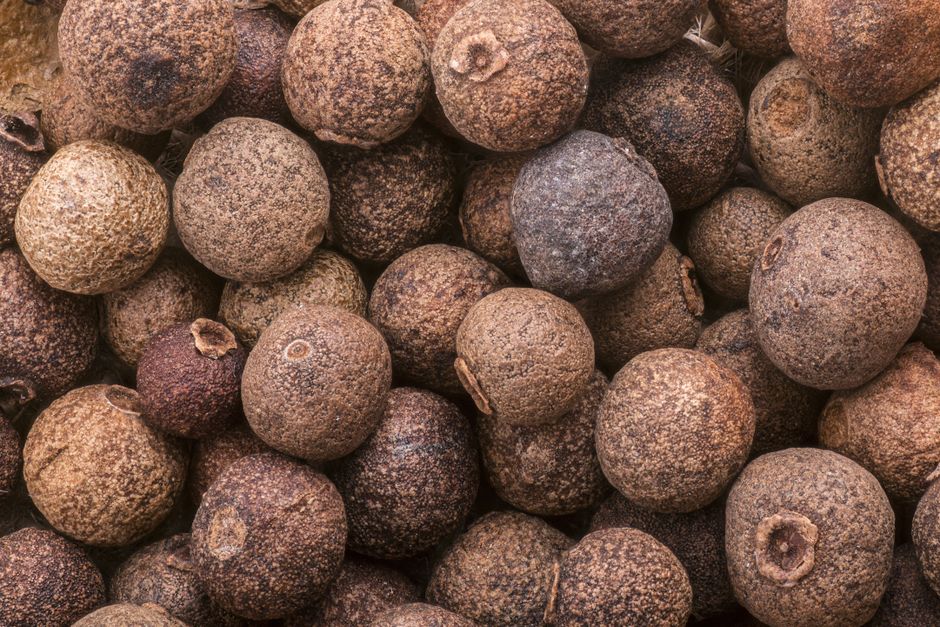
Cubeb pepper, scientifically known as Piper cubeba, is a unique spice that offers a complex flavor profile distinct from common black pepper. Often referred to as tailed pepper due to the small stalk that remains attached to the dried fruit, this spice provides a pungent, woody, and slightly cooling sensation. While it has faded from common Western kitchens, it remains a vital component in specific global culinary traditions and historical medicinal practices.
Origin & History
The cubeb plant is a woody, climbing perennial native to the islands of Java and Sumatra in Indonesia. Historically, the spice reached Europe through trade routes managed by Arab merchants who transported the berries via India. During the Middle Ages, cubeb was a highly valued commodity in Europe, frequently used in sauces and as a candied aromatic snack. Its prominence in the European market declined significantly after 1640, when the Portuguese monarchy prohibited its sale to favor the trade of black pepper.
Production
Cubeb pepper is cultivated in tropical climates that feature humus-rich, humid soils, with significant production occurring in Indonesia, Malaysia, and Sri Lanka. Farmers harvest the berries by hand while they are still green and unripe to ensure the preservation of volatile aromatic compounds. Once gathered, the fruits are carefully dried in the sun, a process that causes the pericarp to wrinkle and turn a dark, grayish-brown color. The final commercial product consists of these dried berries with their characteristic stalks intact, which distinguishes them from other peppercorns.
Culinary Uses
In contemporary cooking, cubeb is most celebrated in North African and Indonesian cuisines. It serves as a key ingredient in the complex Moroccan spice blend known as Ras el hanout and is frequently incorporated into savory pastries like makrouts. Indonesian cooks often utilize the spice to add depth to traditional curries, known as gulés. Beyond food, the spice is used to flavor various alcoholic beverages, including certain gins and the Russian pepper vodka known as Pertsovka.
Nutrition & Facts
Cubeb pepper contains secondary metabolites that have been studied for their potential anti-inflammatory and analgesic properties in traditional medicine systems. Historically, it was utilized to treat a variety of ailments, including respiratory issues, abdominal pain, and gastrointestinal disorders. Interestingly, the spice is also employed in the fragrance industry, with companies like John Varvatos incorporating its aromatic profile into men's scents. Because of its distinct flavor, it is sometimes described as a cross between allspice and black pepper, offering a persistent, slightly bitter finish.
Recipe Featuring This Ingredient
Moroccan-Inspired Spiced Lamb Stew
A fragrant and warming stew that highlights the woody, aromatic notes of cubeb pepper in a traditional North African style.
Prep time: 15 min | Cook time: 90 min | Total time: 105 min | Yield: 4 servings | Difficulty: Medium
Ingredients
- 500g lamb shoulder, cut into cubes
- 1 tsp whole cubeb berries, freshly ground
- 1 tsp ground ginger
- 1 tsp ground turmeric
- 1 large onion, finely diced
- 2 cloves garlic, minced
- 400ml lamb or vegetable stock
- 2 tbsp olive oil
- 1 tbsp honey
- 100g dried apricots, halved
Instructions
- Heat the olive oil in a heavy-bottomed pot over medium heat and brown the lamb cubes on all sides until a deep crust forms.
- Add the diced onion and garlic to the pot, sautéing until the onions are translucent and soft.
- Stir in the ground cubeb, ginger, and turmeric, cooking for one minute until the spices become fragrant.
- Pour in the stock and honey, scraping the bottom of the pot to release any browned bits, then bring the mixture to a gentle simmer.
- Cover the pot and cook on low heat for 75 minutes, or until the lamb is tender and the sauce has thickened.
- Stir in the dried apricots and cook for an additional 15 minutes before serving over couscous.
Notes
This stew pairs exceptionally well with toasted almonds and fresh cilantro for added texture and brightness. Store leftovers in an airtight container in the refrigerator for up to three days, as the flavors often deepen overnight.
You've reached your free article limit
You've read 10 of 10 free articles this month. Subscribe to Planet Earth News Network for unlimited access to neutral, global journalism — plus puzzles, podcasts, and the weekly newsletter.
Already a subscriber? Sign in.
Subscribers can ask the journalist a question about this story. Subscribe to ask.
Ingredient of the Day feature by the PENN Food & Spirits Desk.
Comments
No comments yet — be the first to share your thoughts.
PENN's lifestyle and culinary department, covering global cuisine — the origins, traditions, and recipes behind the world's dishes, with deep histories and cultural context that go beyond the plate. and PENN's beverage-focused culinary team, dedicated to spirits and drinks — covering distilleries, breweries, and producers worldwide, with histories, tasting notes, professional reviews, and cocktail traditions.
View all articles by Desk →