Ingredient of the Day: Star Anise
Exploring the history, culinary versatility, and medicinal legacy of the star-shaped spice
Hear this story explained in 90 seconds.
Ingredient of the Day: Star Anise
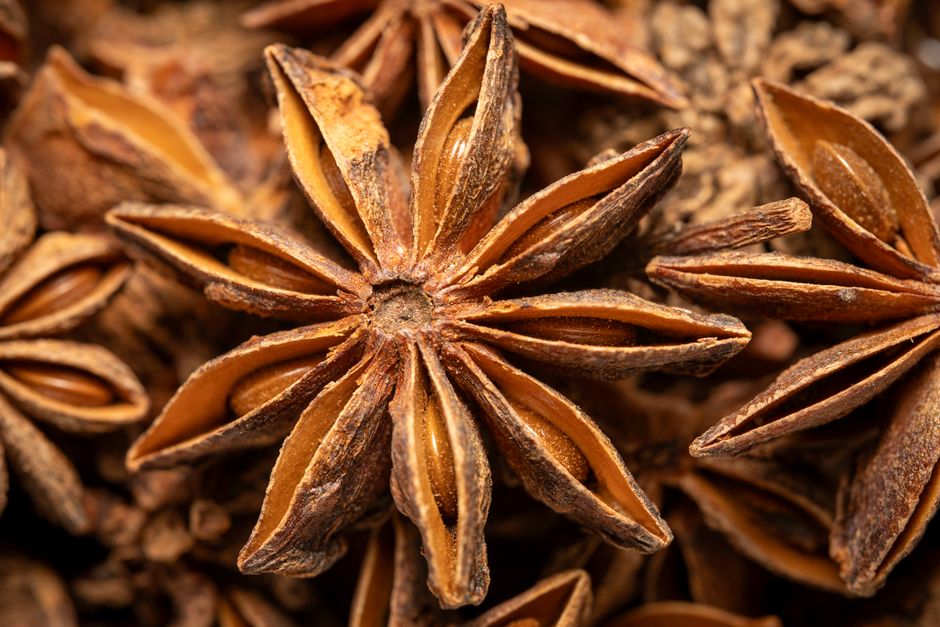
Star anise is a visually striking spice known for its distinct, licorice-like aroma and its essential role in both global cuisine and traditional medicine. While it shares a similar flavor profile with the unrelated European anise plant, this spice is derived from the fruit of a unique evergreen tree. Its presence in kitchens and apothecaries spans centuries, bridging the gap between ancient ritual and modern culinary practice.
Origin & History
The botanical origin of star anise, scientifically known as Illicium verum, is traced to the regions of southwest China and Vietnam. According to Botanical Online, written records of the plant in China date back as far as 1127 BC, highlighting its long-standing importance in the region. Over the last 1,300 years, it has become a cornerstone of Traditional Chinese Medicine and local culinary traditions. Today, it remains a vital export for China, Vietnam, Japan, and India, where it is cultivated for its aromatic properties and chemical compounds.
Production
Star anise is the seed pod of a small oriental tree that produces star-shaped fruits. These fruits are harvested and dried to create the familiar woody, eight-pointed spice found in markets. According to the Schiff Food Products company, the spice is typically sold whole or ground, with careful hand-picking often involved in the selection process. The essential oil is also extracted through steam distillation, a process that has been refined over the last century to support both the food and fragrance industries.
Culinary Uses
In the kitchen, star anise is perhaps most famous as a primary component of the Chinese five-spice powder blend. It is a staple in Chinese red cooking, where meats like beef and chicken are simmered for long periods in dark soy sauce to absorb the spice's warm, deep undertones. Beyond savory applications, it is frequently used in Western cooking to flavor fruit compotes, jams, and various baked goods. Its ability to elevate simple stocks and soups makes it a versatile tool for chefs looking to add complexity to their dishes.
Nutrition & Facts
Star anise is rich in anethole, the compound responsible for its characteristic aroma and many of its reported health benefits. It has been used traditionally as a digestive aid to reduce bloating and gas, and it is often chewed after meals to freshen breath. Notably, the plant contains shikimic acid, which the Roche Group uses as a key precursor in the synthesis of the antiviral medication Tamiflu. While it serves as a potent flavoring agent, it also possesses mild antibacterial and stimulant properties that have been documented in various pharmacological studies.
Recipe Featuring This Ingredient
Star Anise Infused Beef Stew
A fragrant and warming stew that highlights the deep, spicy notes of star anise in a savory broth.
Prep time: 15 min | Cook time: 120 min | Total time: 135 min | Yield: 4 servings | Difficulty: Medium
Ingredients
- 500g beef chuck, cut into cubes
- 3 whole star anise pods
- 2 tbsp soy sauce
- 1 tbsp vegetable oil
- 1 onion, chopped
- 2 cloves garlic, minced
- 500ml beef stock
- 1 tsp ginger, grated
Instructions
- Heat the vegetable oil in a large pot over medium heat and brown the beef cubes on all sides until a deep crust forms.
- Add the chopped onion and garlic to the pot, sautéing until the onion becomes translucent and fragrant.
- Stir in the soy sauce, ginger, and the three whole star anise pods, ensuring the spices are well distributed.
- Pour in the beef stock, bring the mixture to a gentle boil, then reduce the heat to low.
- Cover the pot and simmer for approximately two hours, or until the beef is tender and the sauce has thickened to a rich consistency.
Notes
Serve this stew over steamed jasmine rice or with crusty bread to soak up the aromatic broth. Remove the whole star anise pods before serving to avoid their woody texture. For a variation, add carrots or potatoes during the last 45 minutes of cooking.
You've reached your free article limit
You've read 10 of 10 free articles this month. Subscribe to Planet Earth News Network for unlimited access to neutral, global journalism — plus puzzles, podcasts, and the weekly newsletter.
Already a subscriber? Sign in.
Subscribers can ask the journalist a question about this story. Subscribe to ask.
Ingredient of the Day feature by the PENN Food & Spirits Desk.
Comments
No comments yet — be the first to share your thoughts.
PENN's lifestyle and culinary department, covering global cuisine — the origins, traditions, and recipes behind the world's dishes, with deep histories and cultural context that go beyond the plate. and PENN's beverage-focused culinary team, dedicated to spirits and drinks — covering distilleries, breweries, and producers worldwide, with histories, tasting notes, professional reviews, and cocktail traditions.
View all articles by Desk →