Ingredient of the Day: Thyme
A versatile herb with a storied past and enduring culinary presence
Hear this story explained in 90 seconds.
Ingredient of the Day: Thyme
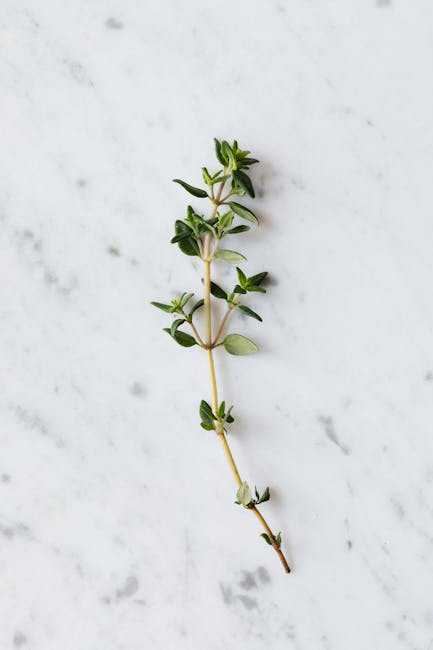
Thyme is a fragrant, low-growing perennial herb that has served as a staple in kitchens and medicine cabinets for thousands of years. Belonging to the Lamiaceae family, this aromatic plant is recognized by its small, gray-green leaves and clusters of white, pink, or purple flowers. It remains one of the most essential herbs in global cuisine, valued for its ability to enhance a wide variety of savory dishes.
Origin & History
Thyme is native to the Mediterranean regions of southern Europe and North Africa, with its name likely derived from the Greek word thymon, which refers to the act of offering incense or sacrifice. Ancient Egyptians utilized the herb during their mummification process, while the ancient Greeks and Romans burned it in temples for its pleasant balsam odor. Throughout the Middle Ages, the plant became a symbol of courage and bravery, with women often gifting knights items embroidered with thyme sprigs to inspire strength in battle. Historical records from the first century AD, such as those found in the works of Dioscorides and Pliny the Elder, highlight its early use as an antiseptic and a remedy for respiratory ailments.
Production
Thyme thrives in full sun and well-drained soil, making it a popular choice for herb gardens, containers, and even as a low-maintenance ground cover. Because the plants tend to become woody over time, gardeners generally renew their plantings every two to three years to ensure vigorous growth. Harvesting is best performed by snipping sprigs regularly throughout the summer and fall, which encourages the plant to remain compact and productive. While the herb can be used fresh, it is also frequently dried using air or commercial hot-air methods to preserve its essential oils for long-term storage.
Culinary Uses
In the kitchen, common thyme and lemon thyme are the varieties most frequently employed to season soups, stews, roasted meats, and vegetable dishes. Chefs often include the herb early in the cooking process, as its robust flavor profile is slow to release and infuses well into liquids and fats. It is a key component of the classic French bouquet garni and is widely used in the Creole cuisine of New Orleans to add depth to complex sauces. Beyond savory applications, the herb can be used to brighten fruit salads or even infused into iced tea for a subtle, earthy note.
Nutrition & Facts
Thyme is a nutrient-dense herb that provides a significant source of vitamins A, C, E, and K, alongside essential minerals and antioxidants. Its primary chemical constituent, thymol, is recognized for its antifungal and antibacterial properties, which have historically supported its use in traditional medicine. Interestingly, the plant is highly attractive to pollinators, and thyme honey is a prized product in many regions where the herb is cultivated. Folklore also suggests that the plant was once used to sweeten linens and protect against nightmares, reflecting its long-standing role in domestic life.
Recipe Featuring This Ingredient
Lemon Thyme Roasted Chicken
This simple, aromatic dish highlights the bright, citrusy notes of fresh lemon thyme paired with succulent roasted poultry.
Prep time: 15 min | Cook time: 60 min | Total time: 75 min | Yield: 4 servings | Difficulty: Easy
Ingredients
- 1 whole chicken (approx. 1.5 kg)
- 4 tbsp unsalted butter, softened
- 3 tbsp fresh lemon thyme leaves, finely chopped
- 1 tbsp lemon zest
- 2 tsp sea salt
- 1 tsp black pepper
- 1 whole lemon, halved
Instructions
- Preheat your oven to 200 degrees Celsius and pat the chicken dry with paper towels to ensure crispy skin.
- In a small bowl, combine the softened butter, chopped lemon thyme, lemon zest, salt, and pepper until well blended.
- Gently loosen the skin over the chicken breast and rub half of the herb butter mixture directly onto the meat, then spread the remaining butter over the exterior of the skin.
- Place the lemon halves inside the cavity of the chicken and tie the legs together with kitchen twine.
- Roast the chicken for approximately 60 minutes, or until the juices run clear and the internal temperature reaches 75 degrees Celsius.
- Allow the chicken to rest for 10 minutes before carving to ensure the meat remains juicy.
Notes
Serve this dish alongside roasted root vegetables or a fresh green salad. For a deeper flavor, you can tuck extra sprigs of whole thyme under the skin before roasting. Store any leftovers in an airtight container in the refrigerator for up to three days.
You've reached your free article limit
You've read 10 of 10 free articles this month. Subscribe to Planet Earth News Network for unlimited access to neutral, global journalism — plus puzzles, podcasts, and the weekly newsletter.
Already a subscriber? Sign in.
Subscribers can ask the journalist a question about this story. Subscribe to ask.
Ingredient of the Day feature by the PENN Food & Spirits Desk.
Comments
No comments yet — be the first to share your thoughts.
PENN's lifestyle and culinary department, covering global cuisine — the origins, traditions, and recipes behind the world's dishes, with deep histories and cultural context that go beyond the plate. and PENN's beverage-focused culinary team, dedicated to spirits and drinks — covering distilleries, breweries, and producers worldwide, with histories, tasting notes, professional reviews, and cocktail traditions.
View all articles by Desk →