Kenya Expands Irrigation Infrastructure to Bolster National Food Security
Government initiatives aim to reduce reliance on rain-fed agriculture by increasing irrigated land and improving water storage capacity.

PENN Explainer
Hear this story explained in 90 seconds.
The Kenyan government has significantly expanded its national irrigation footprint to strengthen food security and reduce the country's heavy reliance on rain-fed agriculture. According to official data from the National Irrigation Authority, the total area under irrigation increased from 664,000 acres in 2022 to 744,340 acres by the end of 2024. This expansion is part of a broader strategic effort to stabilize crop production against the backdrop of increasingly erratic weather patterns.
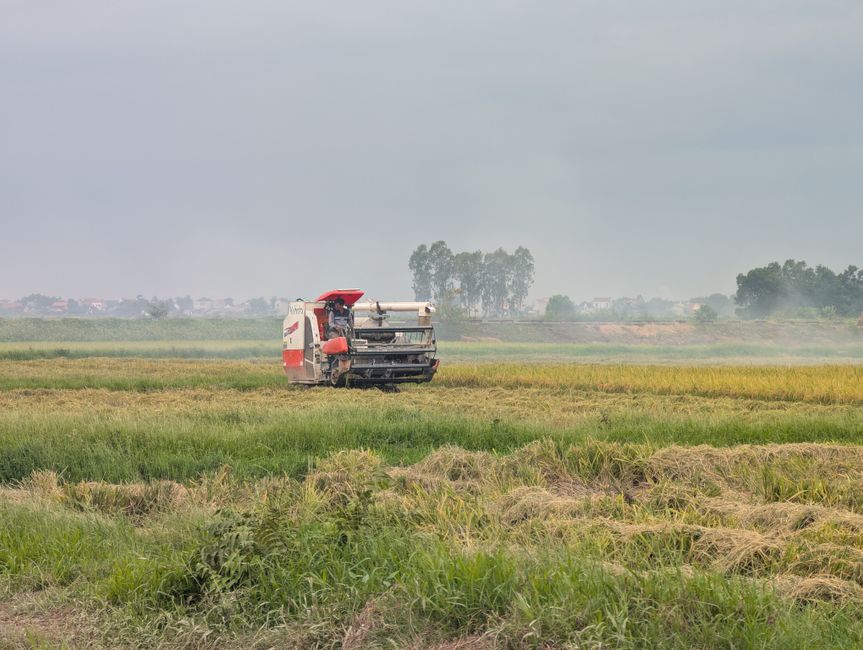
Strategic water storage projects have been central to this growth, with the completion of the Thiba Dam serving as a major milestone. This infrastructure has directly supported the expansion of the Mwea Irrigation Scheme, which saw its active footprint grow from 25,000 acres to 30,600 acres. Officials estimate that with the implementation of double-cropping cycles, the scheme could eventually support up to 70,000 irrigated acres annually.
The impact of these improvements is already visible in national production figures. Total rice production in Kenya rose from 192,299 tonnes in 2022 to 303,724 tonnes by 2025. Beyond the increase in volume, the improved water supply at Mwea has raised the annual value of rice production from 10 billion to 14 billion Kenyan shillings while creating approximately 28,000 new jobs.
Despite these gains, the agricultural sector faces ongoing challenges from climate variability and global supply chain disruptions. Torrential rains at the start of 2026 provided some relief for crop germination, yet excessive moisture has also caused localized damage. Furthermore, the ongoing conflict in the Middle East has delayed fertilizer imports, which may affect crop yields in market-oriented agricultural regions.
Food insecurity remains a significant concern, particularly in the Arid and Semi-Arid Lands of the country. The latest Integrated Food Security Phase Classification analysis estimates that about 3.7 million people may face acute food insecurity between April and June 2026. Households in counties such as Wajir, Mandera, and Tana River are currently identified as being at the highest risk.
To address these vulnerabilities, the government is promoting a mix of climate-smart agricultural practices alongside large-scale infrastructure. Organizations like the Kenya Agricultural and Livestock Research Organization are providing technical guidance to smallholder farmers. These efforts include the distribution of drought-tolerant seeds, such as sorghum and millet, to help households withstand prolonged dry spells.
Extension services are also being adapted to better support farmers in adopting new technologies. While traditional extension models have struggled with limited funding and staffing, new approaches focus on demonstration plots and peer-to-peer learning. These methods allow farmers to see the practical benefits of techniques like minimum tillage and water-retaining planting ridges firsthand.
Gender inclusion has become a priority in these rural development programs. The Association of Women in Agriculture Kenya has been instrumental in training women farmers and ensuring they have access to improved seeds and modern farming tools. By empowering women, these initiatives aim to create a more inclusive and resilient agricultural workforce.
Data gaps remain a hurdle for policymakers attempting to optimize food systems. A 2024 strategy for post-harvest management highlights the need for better measurement of food loss and waste, which currently affects a significant portion of crop production. Strengthening these value chains is considered essential for achieving long-term commercial sustainability.
Looking ahead, the National Irrigation Sector Investment Plan sets an ambitious target to expand total irrigated land to 1.28 million acres by the 2027/28 financial year. Achieving this goal will require sustained investment in both large-scale dams and smallholder-led community projects. The success of these efforts will likely determine the country's ability to maintain food availability in the face of a changing climate.
You've reached your free article limit
You've read 10 of 10 free articles this month. Subscribe to Planet Earth News Network for unlimited access to neutral, global journalism — plus puzzles, podcasts, and the weekly newsletter.
Already a subscriber? Sign in.
Ask the Author
Subscribers can ask the journalist a question about this story. Subscribe to ask.
Neutrality note
Auto-harvested from global news wires and presented neutrally by PENN.
to vote
Comments
No comments yet — be the first to share your thoughts.
Related stories in Agriculture & Food Security

India Resumes Wheat Exports Following Record Domestic Harvests
2026-11-11
Urban Agriculture Gains Momentum as Global Strategy for Food Security
2026-11-10