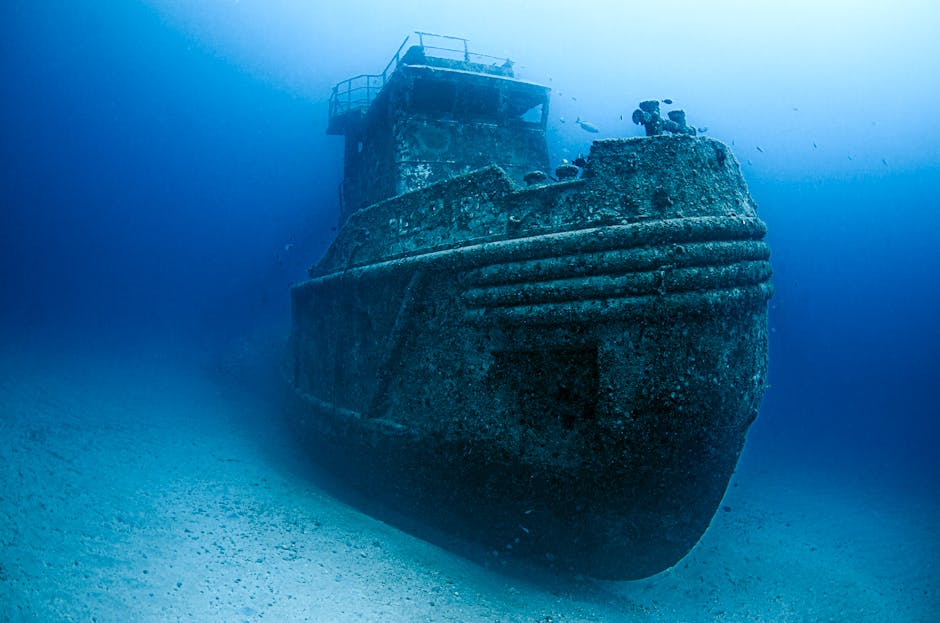
Malaysia Study Finds Microplastics in Majority of Protected Coral Reefs
New research reveals that nearly two-thirds of corals in a Malaysian marine protected area are contaminated with plastic particles.
PENN Explainer
Hear this story explained in 90 seconds.
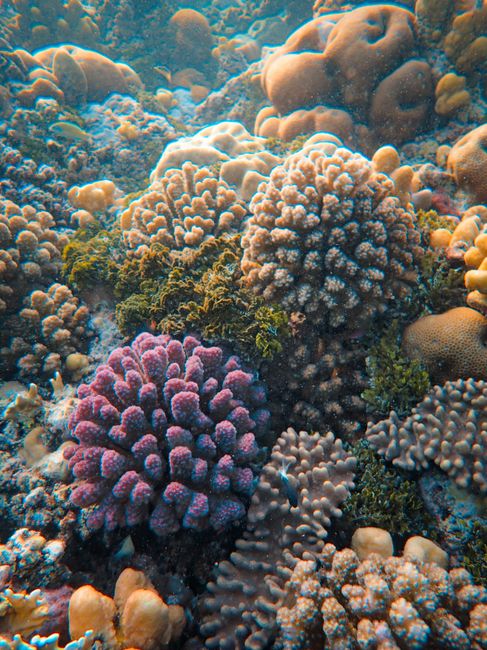
A recent scientific study has uncovered a concerning level of plastic pollution within a marine protected area in Malaysia. Researchers found that microplastics are present in nearly two-thirds of the coral samples collected from the site. This discovery highlights the persistent challenge of plastic waste even in regions designated for environmental conservation. The findings suggest that current protective measures may not be sufficient to shield delicate reef ecosystems from global pollution trends.
Microplastics are tiny fragments of plastic that measure less than five millimeters in length. These particles often originate from the breakdown of larger plastic items like bottles, bags, and synthetic clothing fibers. Once they enter the marine environment, they can be ingested by various sea creatures, including the coral polyps that build reef structures. The presence of these materials can interfere with the health and growth of coral colonies.
The study specifically examined corals within a protected zone, which is intended to be a sanctuary for marine life. Despite the legal protections in place, the prevalence of microplastics indicates that these areas remain vulnerable to external environmental pressures. Experts note that ocean currents can transport plastic debris over vast distances, making it difficult to contain pollution within specific boundaries. This reality complicates the management of marine parks that rely on geographic restrictions to maintain ecological integrity.
The research team emphasized that the accumulation of these particles could have long-term consequences for the biodiversity of the region. Corals provide essential habitats for a wide array of fish and other marine organisms. If the health of the reef declines due to pollution, the entire local food web could face significant disruption. Scientists are now calling for more comprehensive strategies to address plastic waste at its source.
They argue that local conservation efforts must be paired with broader international policies to reduce the flow of plastics into the world's oceans. Future research will likely focus on determining the specific impacts of these microplastics on coral reproduction and resilience. Understanding these effects is crucial for developing effective restoration and protection plans for reefs across Southeast Asia. The study serves as a reminder that even remote or protected ecosystems are not immune to the impacts of human activity.
You've reached your free article limit
You've read 10 of 10 free articles this month. Subscribe to Planet Earth News Network for unlimited access to neutral, global journalism — plus puzzles, podcasts, and the weekly newsletter.
Already a subscriber? Sign in.
Ask the Author
Subscribers can ask the journalist a question about this story. Subscribe to ask.
Заметка о нейтральности
Auto-harvested from global news wires and presented neutrally by PENN.
to vote
Comments
No comments yet — be the first to share your thoughts.