
Nations Reach Landmark Climate Finance Agreement at COP29 in Baku
Global leaders commit to tripling annual climate funding to $300 billion by 2035 to support developing nations.
PENN Explainer
Hear this story explained in 90 seconds.
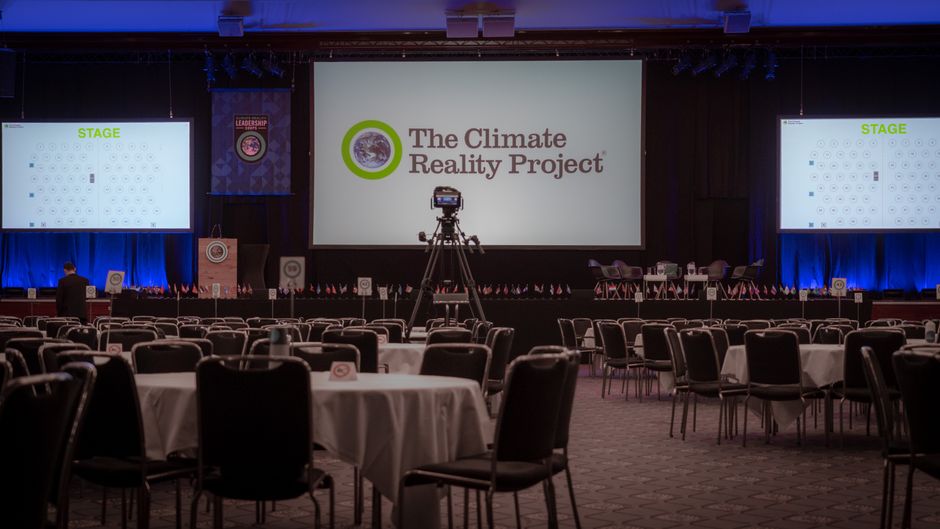
Nearly 200 countries gathered in Baku, Azerbaijan, for the COP29 United Nations Climate Change Conference to address the growing challenges of global environmental shifts. After two weeks of intensive negotiations, the participating nations reached a breakthrough agreement known as the New Collective Quantified Goal on Climate Finance. This landmark deal aims to triple the annual financial support provided to developing countries, moving from the previous target of $100 billion to $300 billion annually by 2035. The agreement requires unanimous consent from all participating nations, reflecting a significant diplomatic effort to align diverse national interests. Simon Stiell, the Executive Secretary of UN Climate Change, described the new goal as an essential insurance policy for humanity. He emphasized that while the agreement provides a framework for progress, its success depends on countries fulfilling their financial promises in full and on time. The funding is intended to help nations invest in clean energy, create new jobs, and strengthen economic growth while mitigating the impacts of a changing climate. Despite the consensus reached in Baku, the process was not without friction. Representatives from highly vulnerable nations, including Least Developed Countries and Small Island Developing States, expressed concerns regarding their inclusion in key consultations. These nations argued that the final outcome still falls short of the total resources required to adequately address the climate-related challenges they face. The negotiations highlighted the ongoing tension between the urgent needs of climate-vulnerable regions and the complex political realities of international finance. The COP29 agreement builds upon the foundation of the 2015 Paris Agreement, which remains a central pillar of international climate policy. While the Paris Agreement seeks to limit global temperature increases to well below 2 degrees Celsius, the implementation of these goals continues to be a subject of rigorous debate. The Paris Agreement Implementation and Compliance Committee has been working throughout 2026 to manage an unprecedented caseload of compliance issues. This committee plays a vital role in ensuring that nations remain accountable to the commitments they have made on the global stage. As the international community looks toward future summits, the focus is shifting from setting targets to the practical implementation of climate action. The COP30 Presidency has already begun outlining roadmaps to translate these international commitments into tangible results for people and the planet. These efforts are part of a continuous process of global mobilization designed to sustain momentum for environmental protection. The success of these initiatives will likely depend on the ability of developed and developing nations to maintain open lines of communication and cooperation. By fostering a unified approach, the global community hopes to unlock new strategies for accelerating climate action through the end of the decade. The path forward remains challenging, but the agreements reached in Baku represent a significant step in the ongoing effort to protect global lives and livelihoods.
Ask the Author
Subscribers can ask the journalist a question about this story. Subscribe to ask.
Note de neutralité
Auto-harvested from global news wires and presented neutrally by PENN.
to vote
Comments
No comments yet — be the first to share your thoughts.
Related stories in World/International
North Korea and Russia Open First Direct Road Bridge Amid Deepening Military Ties
2026-09-24
Global Leaders Gather at UN Climate Summit to Address Energy Transition and Climate Finance
2026-09-23