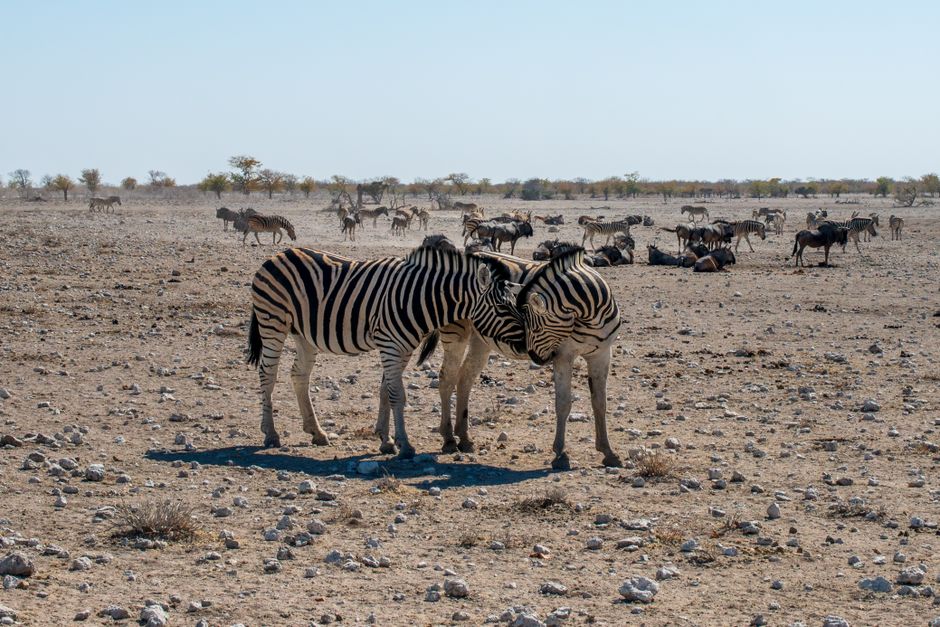
New Study Finds Regulated Hunting Programs Support African Habitat Conservation
Research indicates that well-managed hunting initiatives contribute significantly to wildlife and habitat protection across sub-Saharan Africa.

PENN Explainer
Hear this story explained in 90 seconds.
A comprehensive new study published in September 2026 suggests that regulated hunting programs in sub-Saharan Africa play a vital role in maintaining wildlife habitats. Researchers found that these programs contribute to positive conservation outcomes in 92 percent of the cases analyzed. The study highlights that when hunting is managed through strict, science-based regulations, it provides essential funding and incentives for land protection.
This research comes as international debates regarding the import of hunting trophies continue to intensify. While some groups advocate for total bans, the study suggests that such policies could inadvertently undermine the financial models currently supporting large-scale conservation efforts. The authors emphasize that the success of these programs depends heavily on adaptive management and local oversight.
Conservationists distinguish between trophy hunting, which is often pursued primarily for personal souvenirs, and regulated hunting that serves a specific management purpose. In the context of this study, the focus is on programs that generate revenue for habitat restoration and anti-poaching operations. These funds are frequently used to protect vast tracts of land that might otherwise be converted for agriculture or development.
One key finding is that the effectiveness of these programs is often tied to how local communities are involved. When communities have a direct stake in the management of wildlife, they are more likely to participate in anti-poaching efforts and habitat preservation. The study notes that outcomes are more variable in regions where the state retains total control over wildlife on communal lands.
Scientific management remains the cornerstone of these conservation tools. By setting quotas based on population surveys, wildlife agencies can ensure that hunting does not negatively impact the long-term viability of a species. This approach allows for the removal of specific individuals while maintaining the overall health and genetic diversity of the population.
Critics of these programs often point to the potential for mismanagement or corruption in some jurisdictions. The study acknowledges these risks and suggests that international policy should focus on improving regulatory standards rather than implementing blanket bans. By encouraging countries to adopt more transparent and science-driven policies, the global community can better support effective wildlife stewardship.
In many African nations, the revenue generated from hunting permits is a primary source of funding for wildlife departments. These funds cover the costs of rangers, equipment, and the logistical challenges of patrolling remote areas. Without this income, many protected areas would struggle to maintain the staff necessary to deter illegal poaching activities.
Beyond direct funding, the presence of hunters and guides in remote areas acts as a deterrent to illegal activity. Poachers often avoid areas where there is a consistent human presence and active monitoring. This secondary benefit of regulated hunting is frequently cited by conservationists as a critical component of modern wildlife management.
However, the study also notes that the effects on specific hunted species can be mixed. It is essential for wildlife managers to continuously monitor population trends and adjust regulations accordingly. This requires a commitment to data collection and a willingness to pause or modify hunting seasons if population numbers show signs of decline.
Looking ahead, the researchers recommend a case-by-case evaluation of hunting programs. They argue that a one-size-fits-all approach fails to account for the unique ecological and social conditions of different regions. By focusing on evidence-based outcomes, policymakers can ensure that hunting remains a legitimate and effective tool for conservation.
You've reached your free article limit
You've read 10 of 10 free articles this month. Subscribe to Planet Earth News Network for unlimited access to neutral, global journalism — plus puzzles, podcasts, and the weekly newsletter.
Already a subscriber? Sign in.
Ask the Author
Subscribers can ask the journalist a question about this story. Subscribe to ask.
Neutralitätsvermerk
Auto-harvested from global news wires and presented neutrally by PENN.
to vote
Comments
No comments yet — be the first to share your thoughts.
Related stories in Hunting and Conservation

New Zealand Passes Legislation to Formalize Herd Management for Game Animals
2026-11-09
Alberta Overhauls Wild Boar Management to Combat Invasive Species Threat
2026-11-09