
New Study Highlights Risks of Gene Editing in Human Embryos
Researchers at Columbia University find that while CRISPR techniques can be accurate, they also cause unpredictable genetic changes in early development.

PENN Explainer
Hear this story explained in 90 seconds.
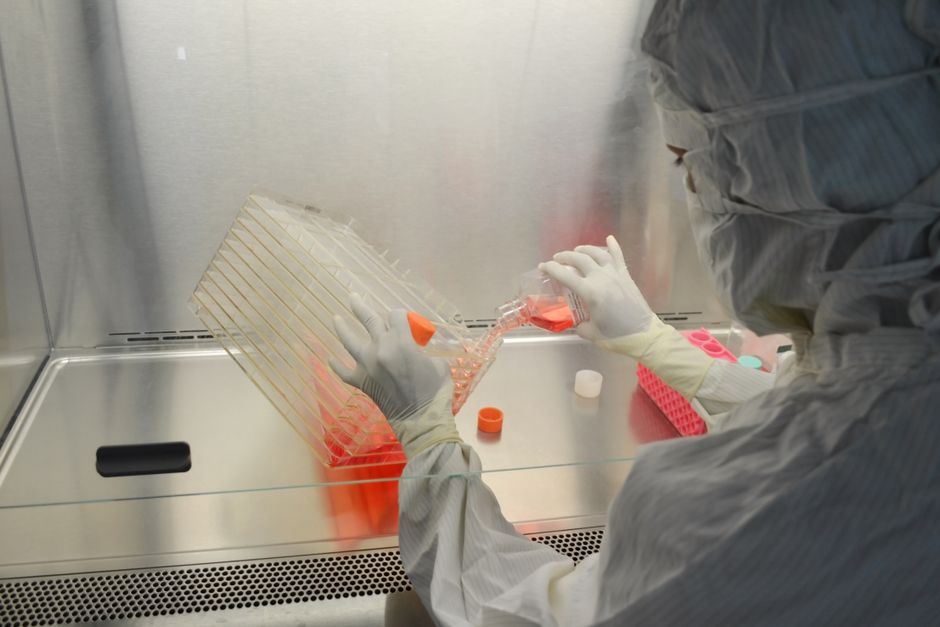
A recent study conducted by researchers at the Columbia University Vagelos College of Physicians and Surgeons has revealed significant limitations in the use of gene-editing technology on human embryos. While the team found that cutting-edge techniques could accurately target specific genes, the process often resulted in unpredictable genetic alterations. These findings suggest that current methods are not yet safe for clinical application in human reproduction. The research was published on September 9, 2026, providing a detailed look at the complexities of modifying early-stage embryos.
Scientists monitored the development of embryos for six to seven days to observe how the edits were passed on to subsequent cells. In some instances, the editing process was entirely successful and development appeared normal. However, the researchers noted that the technique frequently caused mosaicism, a condition where some cells carry the edit while others do not. Dieter Egli, a lead researcher on the project, explained that mosaicism creates a range of unpredictable outcomes.
He stated that this unpredictability prevents any meaningful or safe application of the technology in a clinical setting. The study serves as a cautionary note for the scientific community regarding the premature use of these tools. The team hopes their work will discourage the inappropriate application of gene editing in clinics by clearly demonstrating the inherent risks. Understanding these challenges during embryogenesis is a primary goal for the researchers involved.
They believe that uncovering this new knowledge is essential before any further attempts at clinical implementation can be considered. Future efforts will focus on developing methods to reduce the risk of genetic abnormalities and embryo attrition. By identifying why these errors occur, scientists aim to improve the precision and safety of genetic interventions. This research highlights the ongoing tension between the potential of gene-editing tools and the biological realities of human development. As the field continues to evolve, the focus remains on rigorous testing and ethical considerations to ensure patient safety.
You've reached your free article limit
You've read 10 of 10 free articles this month. Subscribe to Planet Earth News Network for unlimited access to neutral, global journalism — plus puzzles, podcasts, and the weekly newsletter.
Already a subscriber? Sign in.
Ask the Author
Subscribers can ask the journalist a question about this story. Subscribe to ask.
Neutralitätsvermerk
Auto-harvested from global news wires and presented neutrally by PENN.
to vote
Comments
No comments yet — be the first to share your thoughts.
Related stories in Science & Technology
Cornell Researchers Develop Advanced Gene-Editing Tool for Large-Scale DNA Insertion
2026-11-04
Researchers Develop New Blood Protein Test for Fatty Liver Disease
2026-11-04