
Norway Intercepts Russian Vessel in High Arctic Following International Court Enforcement Order
Maritime authorities detained the ship near Svalbard as part of broader enforcement measures, sparking sharp diplomatic objections from Moscow.
PENN Explainer
Hear this story explained in 90 seconds.
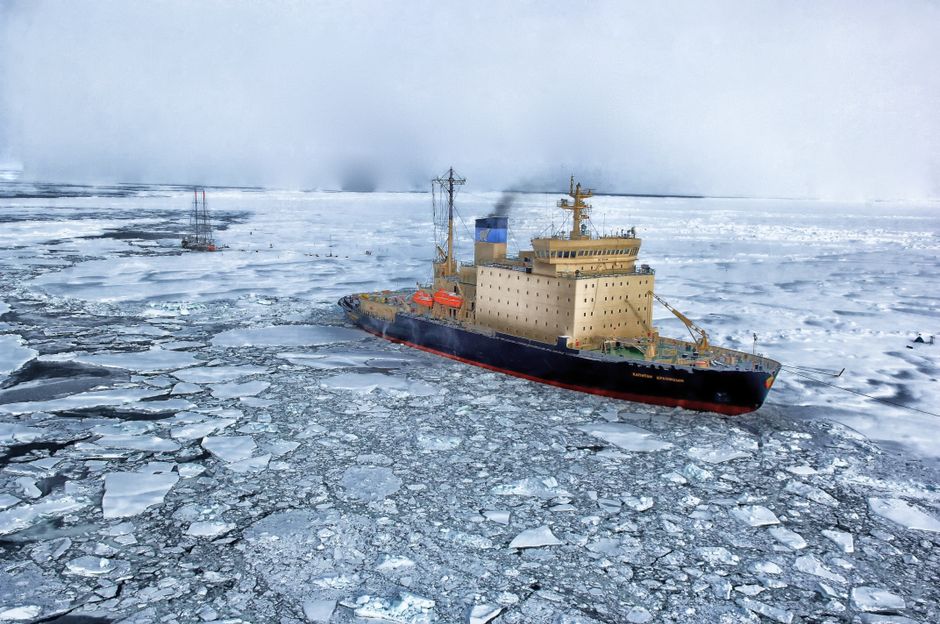
Norwegian maritime authorities have intercepted and detained a Russian-flagged vessel operating in waters near the High Arctic archipelago of Svalbard. The operation was carried out pursuant to an international court order aimed at seizing specific assets connected to Russian state interests. Officials in Oslo confirmed that the interception occurred without armed resistance and that the ship was redirected toward mainland port facilities under official escort.
According to Norwegian authorities, the action reflects formal compliance with cross-border legal obligations issued by international judicial bodies. Commercial maritime tracking data showed the vessel transiting Arctic corridors before patrol ships approached to serve legal paperwork and initiate physical control of the ship. Crew members aboard the intercepted vessel were permitted to remain unharmed as port inspections and formal processing began under standard maritime protocols.
Government officials in Moscow reacted swiftly to the interception, condemning the operation and describing the seizure as an unlawful act of maritime overreach. The Russian Ministry of Foreign Affairs issued an official diplomatic protest, arguing that the vessel was navigating in international or treaty-regulated waters that should remain exempt from unilateral foreign enforcement. Russian representatives formally demanded the immediate release of the crew and the return of the ship.
Legal experts note that enforcement operations against state-linked assets have increasingly expanded into maritime trade and shipping lanes. Recent multilateral court rulings have authorized the impoundment of designated vessels to satisfy financial claims, reparations frameworks, and judgment enforcements resulting from long-running international disputes. The High Arctic has emerged as a sensitive focal point for these actions due to overlapping legal treaties, regional shipping traffic, and significant economic interest in northern trade passages.
Svalbard, an Arctic archipelago governed under the Svalbard Treaty of 1920, holds a unique international status that grants Norway sovereignty while preserving commercial access rights for signatory countries. In recent years, competing views on fishing limits, mineral extraction, and maritime navigation have created recurring diplomatic frictions between Oslo and Moscow across the Barents Sea. Analysts emphasize that applying enforcement decrees within Arctic waters introduces new legal tests for northern maritime safety and cross-border relations.
Norwegian Coast Guard officials stated that all operational actions followed recognized procedures governing the boarding and custody of commercial craft. Inspectors conducted inventories of onboard cargo, examined navigation logs, and verified the identities and documentation of every crew member. Authorities confirmed that international consular services were notified so that the crew could access appropriate legal and administrative representation while the ship remains in port.
International legal specialists explain that asset recoveries of this scale often involve complex jurisdictional challenges between domestic admiralty courts and international tribunals. Maritime lawyers will now review the court mandate, the ship's specific registration documents, and the underlying financial judgements before determining whether the vessel will be held indefinitely or auctioned to fulfill legal obligations. Multiple jurisdictions have followed the proceedings closely to gauge how future maritime seizures might be managed under comparable international rulings.
Diplomatic observers warn that the standoff could influence broader navigation and security conversations among Arctic nations. Bilateral communication between Arctic states has faced substantial strain over recent years, with routine scientific, coast guard, and search-and-rescue partnerships frequently scaled back. Norwegian representatives reiterated that adherence to binding court decisions remains a cornerstone of international law and stated that further legal reviews will proceed transparently through established judicial channels.
Ask the Author
Subscribers can ask the journalist a question about this story. Subscribe to ask.
中立性说明
Auto-harvested from global news wires and presented neutrally by PENN.
to vote
Comments
No comments yet — be the first to share your thoughts.
Related stories in World/International
Global Trade Faces Historic Disruption as Strait of Hormuz Bottlenecks Intensify
2026-09-25
Turkey Announces Gradual Withdrawal of Troops and Handover of Key Base in Iraq
2026-09-25