Pakistan Urges Iran to Restrain Houthi Militants as Middle East Tensions Threaten Regional Stability
Diplomatic efforts accelerate across South Asia and the Gulf after Saudi retaliatory strikes heighten maritime and economic risks.

PENN Explainer
Hear this story explained in 90 seconds.
Government authorities in Islamabad have issued a direct diplomatic warning to Tehran, urging Iranian leaders to rein in Yemen-based Houthi fighters following renewed military strikes in the region. The move comes as Saudi Arabian defense forces conducted counter-strikes targeting missile launch positions and logistics sites linked to the militant group, sparking concerns over wider escalation. Diplomatic contacts intensified after cross-border exchanges disrupted vital maritime lanes in the Red Sea and raised security alerts across neighboring nations.
According to diplomatic statements, Pakistani officials reached out directly to Iranian President Masoud Pezeshkian and his top defense advisers to communicate their concern over escalating proxy actions. Islamabad emphasized that continuous disruptions to trade routes and military friction threaten the economic stability of both South Asia and the broader Middle East. Pezeshkian held high-level meetings in Tehran with defense leadership to assess the regional security landscape and evaluate ongoing international communications.
Saudi Arabia launched its latest military operations after several aerial and sea-based drones targeted strategic shipping routes and installations near its borders. Saudi officials stated that the military action aimed strictly to neutralize immediate threats against commercial vessels and maintain civilian safety. The kingdom warned that continued assaults by regional armed groups would be met with measured, decisive defensive responses under international law.
Pakistan's intervention reflects a delicate balance in its foreign policy, as the country maintains an extensive land border with Iran while preserving longstanding security and economic partnerships with Saudi Arabia. Pakistani defense leaders noted that unchecked clashes could quickly pull additional nations into direct military confrontations. Islamabad has repeatedly offered to serve as a mediator to help establish confidence-building mechanisms between Gulf partners and Iranian officials.
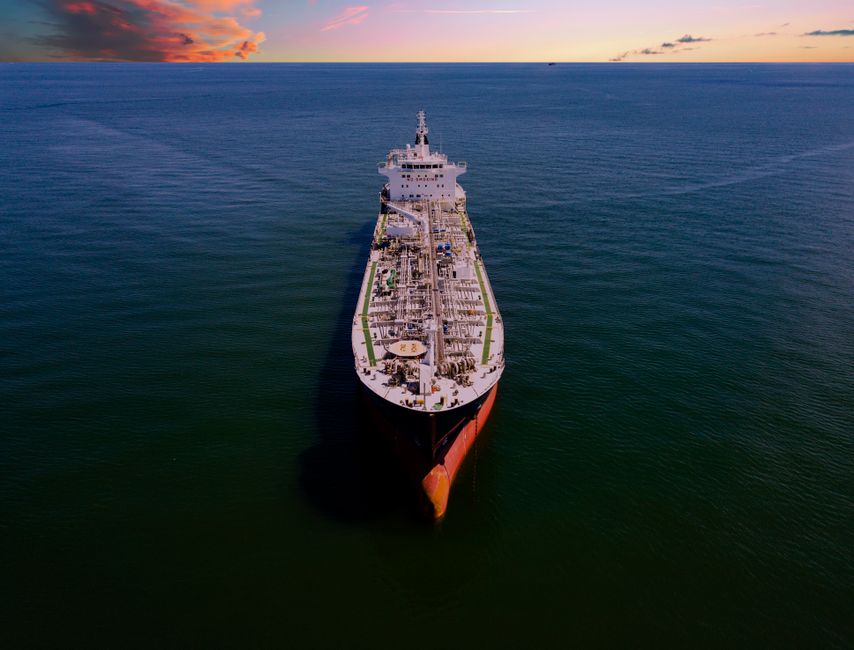
International shipping bodies and commercial carriers have raised alarms over the security of maritime traffic through the Bab al-Mandab Strait and the Red Sea corridor. Sustained instability in these waterways has forced numerous shipping firms to reroute cargo vessels around the Cape of Good Hope, adding weeks to delivery schedules and driving up freight insurance costs. Global logistics analysts warn that prolonged delays could place renewed upward pressure on supply chains and commodity prices worldwide.
Energy markets reacted swiftly to the development, with international crude oil prices hovering near milestone highs due to fears of potential supply disruptions across the Persian Gulf. Trading hubs in Asia, Europe, and North America reported increased market volatility as commodity traders closely watched the status of regional shipping lanes. Economists point out that high fuel prices compound current inflation concerns facing major developed and emerging economies alike.
In Washington and across European capitals, diplomats reiterated calls for unimpeded commercial navigation and regional restraint. United Nations officials issued an appeal for all parties to respect international maritime corridors, warning that the humanitarian consequences of an expanded conflict would be severe for surrounding populations. Multilateral organizations continue to monitor ongoing diplomatic communications aimed at preventing further escalation.
Iranian officials maintained that regional resistance groups operate autonomously based on their own strategic objectives, while also confirming that diplomatic dialogue with regional neighbors remains open. Pezeshkian indicated that Tehran favors regional security arrangements established through mutual dialogue rather than foreign intervention. Despite these assertions, neighboring governments have consistently pointed to Iranian arms transfers and technical support as pivotal factors influencing Houthi operational capabilities.
Diplomats in Riyadh, Islamabad, and Tehran are expected to maintain active communications over the coming days to explore de-escalation frameworks. Observers note that while the diplomatic channels remain open, fragile security conditions on the ground could trigger rapid shifts. The coming weeks will test the willingness of regional actors to resolve security grievances through negotiation rather than sustained military exchanges.
You've reached your free article limit
You've read 10 of 10 free articles this month. Subscribe to Planet Earth News Network for unlimited access to neutral, global journalism — plus puzzles, podcasts, and the weekly newsletter.
Already a subscriber? Sign in.
Ask the Author
Subscribers can ask the journalist a question about this story. Subscribe to ask.
Neutrality note
Auto-harvested from global news wires and presented neutrally by PENN.
to vote
Comments
No comments yet — be the first to share your thoughts.
Related stories in World/International

Global Leaders Prepare for Unprecedented Trilateral Summit in Shenzhen
2026-11-17
Russia and Ukraine Agree to Major Prisoner Exchange Following U.S.-Mediated Talks
2026-11-16