Qingdao and Singapore Ports Sign Landmark Green and Digital Shipping Agreement
The strategic partnership aims to accelerate the adoption of sustainable technologies and digital infrastructure across major Asian trade hubs.
PENN Explainer
Hear this story explained in 90 seconds.
The Port of Qingdao and the Port of Singapore have officially entered into a new strategic partnership focused on green and digital shipping initiatives. This agreement, announced on November 9, 2026, seeks to modernize port operations and reduce the environmental impact of maritime trade between the two major Asian hubs. By aligning their technological standards, both ports intend to create a more efficient and sustainable corridor for international cargo movement.
The collaboration focuses on the development of green bunkering infrastructure to support the transition to alternative marine fuels. As the shipping industry faces increasing pressure to lower carbon emissions, the adoption of cleaner energy sources like green ammonia and methanol has become a top priority. This partnership will allow both ports to share expertise and resources in managing these complex fuel supply chains.
Digitalization is another core pillar of the new pact between the two maritime centers. The ports plan to integrate advanced data-sharing systems to improve vessel turnaround times and optimize terminal efficiency. By digitizing port calls and cargo tracking, the authorities hope to minimize delays and reduce the fuel consumption of ships waiting at anchor.
This initiative comes at a time when global shipping lines are under pressure to improve transparency and operational efficiency. The partnership is expected to serve as a model for other regional ports looking to upgrade their infrastructure to meet modern environmental standards. Officials from both sides emphasized that the agreement is a long-term commitment to fostering a more resilient maritime network.
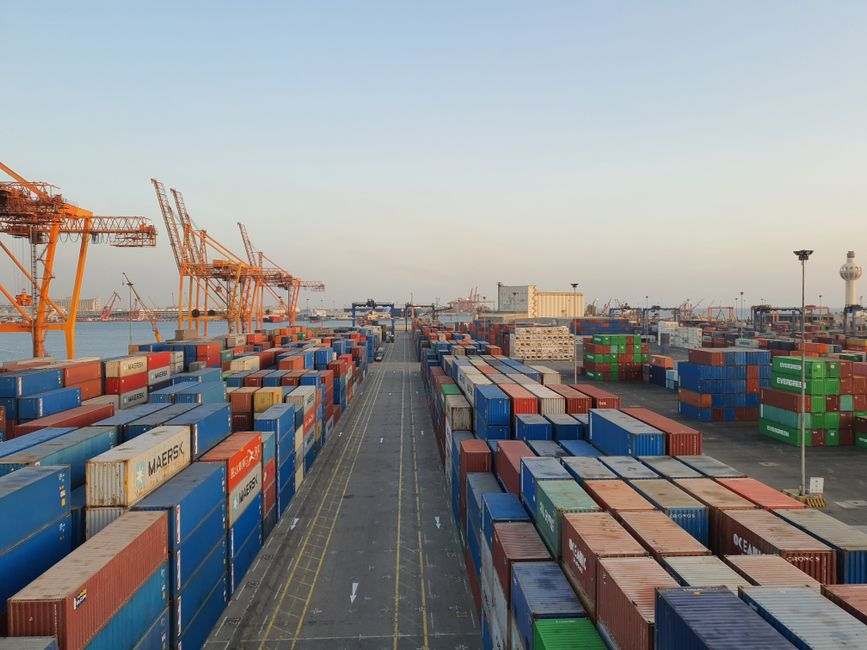
Singapore remains one of the world's busiest transshipment hubs, while Qingdao continues to be a critical gateway for trade in Northern China. The connection between these two locations is vital for the flow of goods across the Asia-Pacific region. By working together, the ports aim to address common challenges such as port congestion and the high costs associated with the energy transition.
Industry analysts suggest that this agreement reflects a broader trend of ports taking a more active role in the decarbonization of the maritime sector. Rather than waiting for global regulations to dictate changes, these major hubs are proactively investing in the necessary technology to remain competitive. The move is seen as a significant step toward creating a greener maritime ecosystem in Asia.
Both ports have already begun exploring pilot projects to test new digital tools for cargo handling. These projects will focus on automating terminal processes and improving the accuracy of real-time information provided to shipping companies. The goal is to create a seamless flow of information that benefits all stakeholders in the supply chain.
Environmental groups have generally welcomed the focus on green bunkering, noting that the shift away from traditional heavy fuel oil is essential for ocean health. The partnership is expected to include strict monitoring of emissions during the bunkering process to ensure that environmental targets are met. This transparency is intended to build trust with international regulators and the public.
Looking ahead, the partnership may expand to include other ports in the region that are interested in adopting similar green and digital standards. The exchange of knowledge and best practices is expected to accelerate the pace of innovation across the industry. This collaborative approach is viewed as a necessary response to the complex demands of modern global trade.
As the project moves into its implementation phase, both ports will establish joint working groups to oversee the progress of the agreed-upon initiatives. These groups will be responsible for setting specific milestones and reporting on the environmental and economic outcomes of the partnership. The success of this collaboration could influence future maritime policies throughout the region.
You've reached your free article limit
You've read 10 of 10 free articles this month. Subscribe to Planet Earth News Network for unlimited access to neutral, global journalism — plus puzzles, podcasts, and the weekly newsletter.
Already a subscriber? Sign in.
Ask the Author
Subscribers can ask the journalist a question about this story. Subscribe to ask.
Neutrality note
Auto-harvested from global news wires and presented neutrally by PENN.
to vote
Comments
No comments yet — be the first to share your thoughts.