Rising Sea Temperatures Linked to Record-Breaking Snowfall Across Japan
Researchers identify a connection between marine heatwaves and intense winter storms impacting the Japanese archipelago.
PENN Explainer
Hear this story explained in 90 seconds.
Recent winter seasons in Japan have been marked by intense and disruptive snowfall events that have challenged local infrastructure and emergency services. Scientists are increasingly pointing to warmer sea surface temperatures as a primary driver for these extreme weather patterns. This phenomenon creates a unique atmospheric environment that fuels heavy precipitation along the coastlines facing the Sea of Japan.
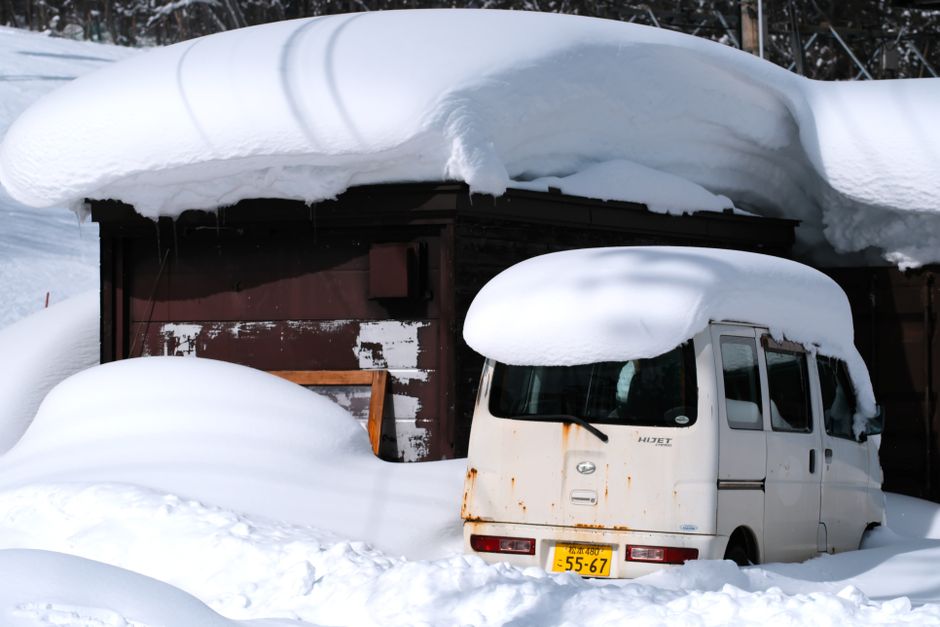
In early February 2025, the city of Obihiro in southeastern Hokkaido experienced a historic weather event. A 12-hour period saw 120 centimeters of snow fall on the Tokachi Plain, setting a new record for the highest snowfall intensity ever documented in Japan. Researchers have since analyzed the atmospheric conditions that allowed for such a massive accumulation of snow in a short timeframe.
A study published in the journal SOLA highlights the role of a marine heatwave that occurred concurrently with the Obihiro storm. The research indicates that unusually warm sea surface temperatures offshore provided the necessary moisture and energy to intensify the snowfall. While marine heatwaves are often associated with rainfall, this event demonstrated their significant impact on winter precipitation levels.
Similar patterns were observed during the 2024/2025 early winter season across central and northern Japan. Data from the Japan Science and Technology Agency shows that sea surface temperatures in the Sea of Japan were anomalously high from December through mid-January. This sustained warmth contributed to a series of heavy snow events that disrupted transportation and daily life in coastal regions.
Experts from Hokkaido University have conducted preliminary analyses linking these record-breaking snowfalls to broader trends in global warming. By investigating the relationship between rising global temperatures and local weather, they aim to better understand how climate change influences regional winter dynamics. These findings suggest that the traditional sea-effect snow, which occurs when cold air from Siberia moves over warmer waters, is becoming more volatile.
Transportation networks along the Sea of Japan coast have faced repeated challenges due to these heavy snowfalls. Cities such as Toyama have experienced significant disruptions as local authorities struggle to keep roads and railways clear. The frequency of these events has forced officials to re-evaluate snow removal strategies and emergency response protocols.
Japanese weather officials continue to monitor the situation closely as winter progresses. They have issued multiple warnings for regions along the Sea of Okhotsk and the mountains of Honshu, where heavy snow remains a persistent threat. The ability to predict these intense storms has become a priority for public safety agencies across the country.
Beyond Japan, other parts of East Asia have also grappled with extreme winter weather. In late 2024, South Korea experienced its third-heaviest snowfall in Seoul since records began in 1907. These regional events underscore the widespread nature of the changing winter climate in the Pacific basin.
The scientific community is now focusing on how these marine heatwaves interact with shifting atmospheric currents. Understanding these mechanisms is essential for developing more accurate seasonal outlooks and climate models. As sea temperatures continue to fluctuate, the potential for high-impact winter storms remains a significant concern for meteorologists.
Local governments are investing in new technologies to improve snow management and disaster preparedness. These efforts include enhanced monitoring systems and more robust infrastructure designed to withstand extreme accumulation. The goal is to minimize the impact of these events on the millions of people living in affected areas.
Looking ahead, the focus remains on long-term adaptation to these changing weather patterns. Researchers emphasize that while individual storms are complex, the underlying trend of warmer oceans is a critical factor in the current climate landscape. Continued international cooperation and data sharing will be vital for tracking these developments in the coming years.
You've reached your free article limit
You've read 10 of 10 free articles this month. Subscribe to Planet Earth News Network for unlimited access to neutral, global journalism — plus puzzles, podcasts, and the weekly newsletter.
Already a subscriber? Sign in.
Ask the Author
Subscribers can ask the journalist a question about this story. Subscribe to ask.
Neutrality note
Auto-harvested from global news wires and presented neutrally by PENN.
to vote
Comments
No comments yet — be the first to share your thoughts.