Widespread Drought Conditions Persist Across Europe as Water Supplies Tighten
Nearly 30 nations across the continent are monitoring critical water levels as prolonged dry weather impacts agriculture and public resources.
PENN Explainer
Hear this story explained in 90 seconds.
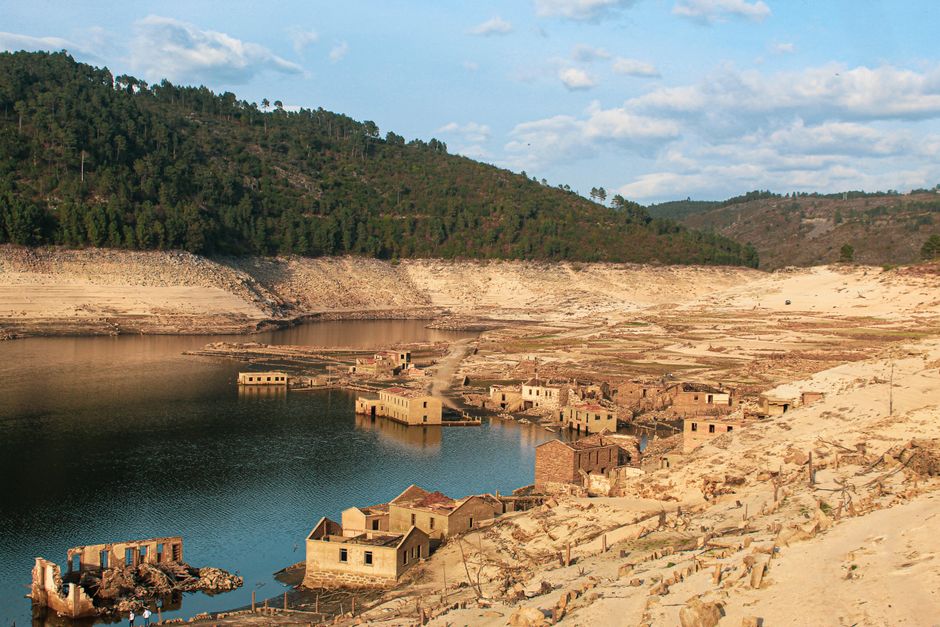
A significant and widespread drought is currently affecting nearly 30 countries across Europe, according to recent data from the Global Disaster Alert and Coordination System. Nations ranging from Andorra and Albania to Germany and Ukraine are reporting ongoing water scarcity issues. This broad environmental challenge has prompted authorities to monitor river flows and reservoir levels closely as the dry conditions persist into November 2026. The situation highlights the growing pressure on water management systems across the continent.
In England, the government has been issuing weekly reports on dry weather and drought conditions throughout the autumn months. These updates track the impact of the lack of rainfall on public water supplies, energy production, and the environment. The Environment Agency continues to work with water companies to manage resources effectively during this extended period of low precipitation. Officials are maintaining a close watch on the situation to ensure that essential services remain functional.
Belgium is also facing challenges as waterways reach critically low levels due to the ongoing dry weather. Regional task forces have activated drought vigilance phases to raise awareness about water consumption. While drinking water supplies are not currently deemed to be at risk, authorities have implemented measures such as restricting recreational boating and consolidating lock operations. These steps are designed to stabilize water levels in key transport arteries like the Brussels Canal.
In Spain, the drought has led to significant economic and regulatory adjustments, particularly in the agricultural sector. The Agriculture Ministry recently ordered olive oil producers to hold back 12 percent of their production for the 2026-2027 season. This measure aims to stabilize market prices following estimates of a bumper harvest that occurred despite the challenging environmental conditions. The government continues to manage water usage through basin-specific regulations and emergency triggers.
Catalonia has been particularly affected by the water crisis, with regional authorities implementing severe consumption restrictions. These rules have impacted millions of residents and forced the government to explore emergency options, including the potential importation of fresh water by sea. The regional government has previously utilized emergency stages to cap urban water use and mandate industrial cuts. Such actions reflect the critical nature of the water deficit in the region.
Across the continent, the cumulative effect of these dry conditions is placing strain on various sectors. Agriculture remains a primary concern, as farmers face difficulties with irrigation and crop yields. Energy production, which often relies on water for cooling or hydroelectric power, is also being monitored for potential disruptions. Governments are increasingly focused on long-term climate adaptation strategies to mitigate the impact of these recurring weather events.
European Commissioner for Preparedness and Crisis Management Hadja Lahbib has previously emphasized the need for strengthened emergency responses to climate-related challenges. The current drought follows a summer marked by heatwaves and wildfires, which have already tested the resilience of emergency services. Officials are now evaluating how to better prepare for future periods of extreme weather. The focus remains on balancing immediate needs with sustainable resource management.
International cooperation is becoming a central theme in addressing these environmental pressures. As water scarcity crosses national borders, countries are sharing data and management techniques to improve regional resilience. The European Union is assessing how to support member states in maintaining essential infrastructure during these prolonged dry spells. This collaborative approach is seen as vital for managing shared river basins and aquifers.
Looking ahead, the outlook for rainfall remains a critical factor for many European nations. Meteorological services are providing regular updates to help local authorities plan for the coming winter months. While some areas may see temporary relief, the underlying trend of below-average rainfall continues to influence policy decisions. The ability of these nations to adapt to changing climate patterns will likely remain a priority for the foreseeable future.
You've reached your free article limit
You've read 10 of 10 free articles this month. Subscribe to Planet Earth News Network for unlimited access to neutral, global journalism — plus puzzles, podcasts, and the weekly newsletter.
Already a subscriber? Sign in.
Ask the Author
Subscribers can ask the journalist a question about this story. Subscribe to ask.
Neutrality note
Auto-harvested from global news wires and presented neutrally by PENN.
to vote
Comments
No comments yet — be the first to share your thoughts.
Related stories in Weather & Climate
New Research Highlights Stark Climate Divide Across Africa as Super El Niño Intensifies
2026-11-17
Global Infrastructure and Agriculture Face Mounting Pressure from Super El Niño
2026-11-16