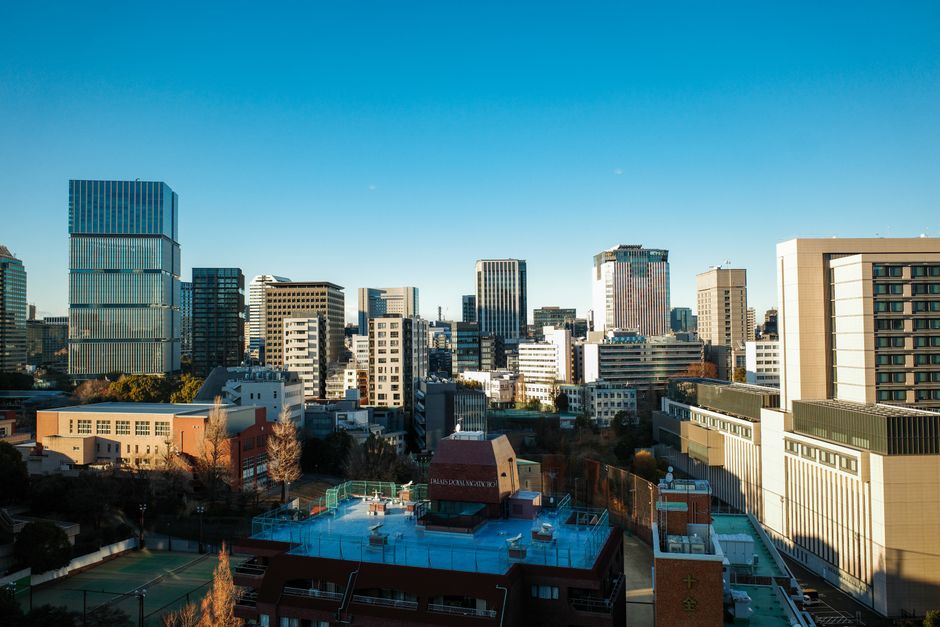
Tokyo Residential Rental Market Shows Strong Growth Amid High Occupancy
Rising demand for compact urban housing drives rental increases across the Japanese capital's 23 wards.

PENN Explainer
Hear this story explained in 90 seconds.
Tokyo's residential leasing market experienced significant growth in the third quarter of 2026, with average rents across the city's 23 wards rising by 6.0% compared to the previous year. Data from the real estate consultancy Savills indicates that this upward trend is broad-based, affecting nearly all submarkets within the capital. The average rent reached 4,909 Japanese yen per square metre during the period, marking a 1.6% increase from the second quarter.
Occupancy rates across the 23 wards remained notably high at 96.2% during the third quarter. While the central five wards saw a slight dip in occupancy to 95.2%, experts suggest this remains consistent with historical seasonal patterns. The continued trend of employees returning to office environments is expected to sustain demand for rental properties in the coming months.
Smaller rental units, particularly those under 45 square metres, have become a primary driver of this growth. These compact homes account for a large majority of rental listings in Tokyo, reflecting a market structure that prioritizes single-occupant housing. In the central five wards, units measuring between 15 and 30 square metres recorded the strongest quarterly rental gains at 1.6%.
Regional performance varied across the city, with the Outer North submarket leading annual growth at 9.2%. The South submarket also performed strongly, recording a 7.5% annual increase in average rents. These figures highlight how rental momentum has extended beyond the traditional central business districts into the wider metropolitan area.
This shift toward rental growth is occurring as the broader Japanese property investment landscape undergoes a transition. With the Bank of Japan raising its policy rate to 1.25% in September, investors are increasingly focusing on rental income and active property management. This strategy replaces the previous reliance on rising asset valuations driven by low interest rates.
Institutional apartment owners are finding that sustained rental increases provide a reliable path to higher operating income. As leases come up for renewal, landlords are adjusting prices to reflect the current market demand. This trend is particularly evident in central locations where the supply of modern, high-quality housing remains limited.
Construction costs are also influencing the market, with expectations that expenses will rise by approximately 5.3% throughout 2026. Factors such as labour shortages and the high cost of building materials continue to constrain new development. These supply-side pressures are expected to keep vacancy rates low as the inventory of available housing grows slowly.
While the rental market shows strength, the condominium sales market has displayed signs of cooling. Tokyo Kantei Co. reported that average prices for used condominiums in the capital fell by 0.2% in September, marking the first decline in 28 months. This suggests that while rental demand remains robust, the high price of purchasing property is causing some buyers to pause.
There is also a growing gap between the prices sellers are asking and the amounts buyers are actually paying. According to data from the East Japan Real Estate Information Network, asking prices for condominiums in Greater Tokyo have risen significantly, yet transaction volumes have fallen for several consecutive months. This divergence indicates that the market for ownership is thinning as affordability becomes a greater concern.
Government policy may soon address the changing nature of property ownership in the country. Reports indicate that Japanese authorities are considering new tax measures for real estate rental operators who live overseas. This move targets the increasing number of foreign investors acquiring property in Japan for rental purposes.
As the year concludes, the Tokyo housing market presents a complex picture of diverging trends. The rental sector continues to benefit from high occupancy and steady demand for compact urban living. Conversely, the sales market is navigating the challenges of higher interest rates and record-high prices that have begun to dampen transaction activity.
You've reached your free article limit
You've read 10 of 10 free articles this month. Subscribe to Planet Earth News Network for unlimited access to neutral, global journalism — plus puzzles, podcasts, and the weekly newsletter.
Already a subscriber? Sign in.
Ask the Author
Subscribers can ask the journalist a question about this story. Subscribe to ask.
Neutrality note
Auto-harvested from global news wires and presented neutrally by PENN.
to vote
Comments
No comments yet — be the first to share your thoughts.