Ukrainian Forces Strike Russian Naval Vessel and Oil Facility in Novorossiysk
The assault on the Black Sea port marks a significant escalation in regional maritime conflict.

PENN Explainer
Hear this story explained in 90 seconds.
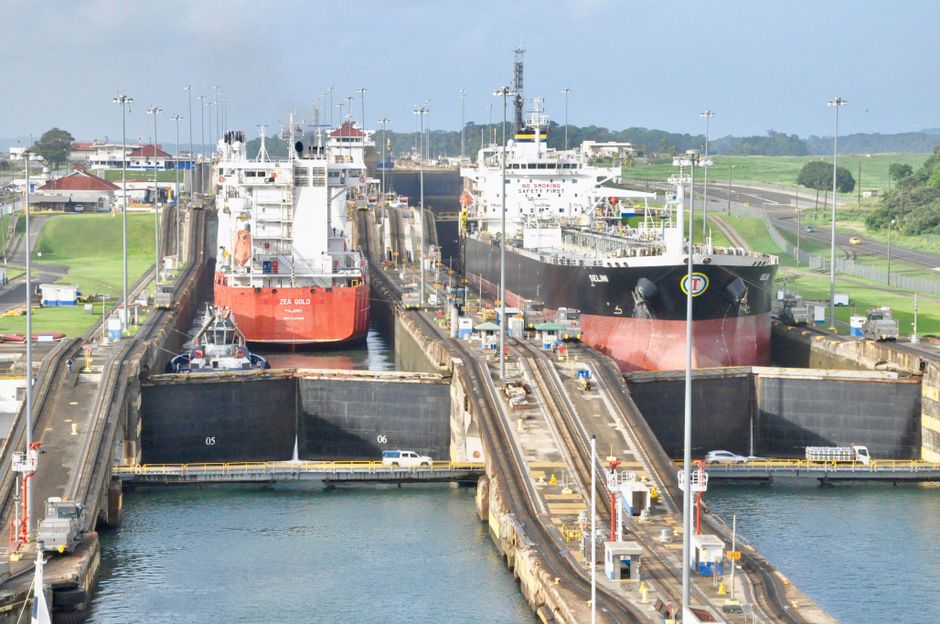
Ukrainian forces launched a targeted assault on a Russian naval vessel and a critical oil facility located at the port of Novorossiysk on November 2, 2026. The operation highlights the ongoing volatility within the Black Sea, a region vital to international energy and grain exports. Local authorities and maritime observers confirmed the incident, which has drawn immediate attention from global shipping monitors.
The port of Novorossiysk serves as a major hub for Russian maritime trade, particularly for oil exports moving through the Black Sea. By targeting both a naval asset and energy infrastructure, the strike underscores the strategic importance of port facilities in the current regional conflict. The facility is a key node in the supply chain for commodities reaching international markets.
Following the attack, regional shipping operations have faced immediate disruptions as authorities assess the damage. The incident has prompted concerns among vessel operators regarding the safety of transit routes near the Russian coast. Many shipping companies are now re-evaluating their schedules to avoid potential risks in the area.
This event follows a series of security challenges across global maritime corridors, including the Black Sea and the Sea of Azov. The International Maritime Organization has recently warned that commercial shipping remains exposed to the consequences of regional armed conflicts. These threats create operational hurdles for cargo owners and logistics providers who rely on stable trade routes.
Security experts note that the use of advanced technology in such strikes has changed the nature of maritime defense. The ability to reach deep into port infrastructure suggests a shift in how naval assets are protected while docked. This development forces port operators to reconsider their security protocols and defensive capabilities.
Local officials in the region have begun the process of evaluating the impact on the oil facility's operational capacity. While the full extent of the damage remains under investigation, the disruption to loading schedules is expected to be significant. The facility plays a central role in the regional energy sector, making its status a matter of international interest.
Global maritime organizations are closely monitoring the situation to determine if further security measures are required for vessels operating in the Black Sea. The incident serves as a reminder of the vulnerability of critical infrastructure to modern aerial and naval tactics. Shipping lines are currently seeking guidance on how to navigate the heightened risk environment.
Insurance providers are also adjusting their risk assessments for vessels entering the Black Sea region. Higher premiums and stricter security requirements are likely to follow as the situation remains fluid. These financial pressures add another layer of complexity to an already strained global supply chain.
As the conflict continues, the safety of seafarers remains a primary concern for the international community. The International Maritime Organization has repeatedly called for the protection of crews who are often caught in the middle of geopolitical tensions. Ensuring the safety of these workers is essential for maintaining the flow of essential goods.
Looking ahead, the incident at Novorossiysk is expected to influence future maritime security strategies in the region. Governments and private operators will likely invest more heavily in surveillance and defensive technologies to protect port assets. The long-term stability of Black Sea trade routes will depend on how these security challenges are addressed in the coming months.
You've reached your free article limit
You've read 10 of 10 free articles this month. Subscribe to Planet Earth News Network for unlimited access to neutral, global journalism — plus puzzles, podcasts, and the weekly newsletter.
Already a subscriber? Sign in.
Ask the Author
Subscribers can ask the journalist a question about this story. Subscribe to ask.
Neutrality note
Auto-harvested from global news wires and presented neutrally by PENN.
to vote
Comments
No comments yet — be the first to share your thoughts.