
United States Military Strikes Three Iranian Oil Tankers Following Alleged Attacks on Naval Warships
Direct strikes on maritime vessels mark a sharp escalation in tensions across crucial Middle Eastern shipping lanes.
PENN Explainer
Hear this story explained in 90 seconds.
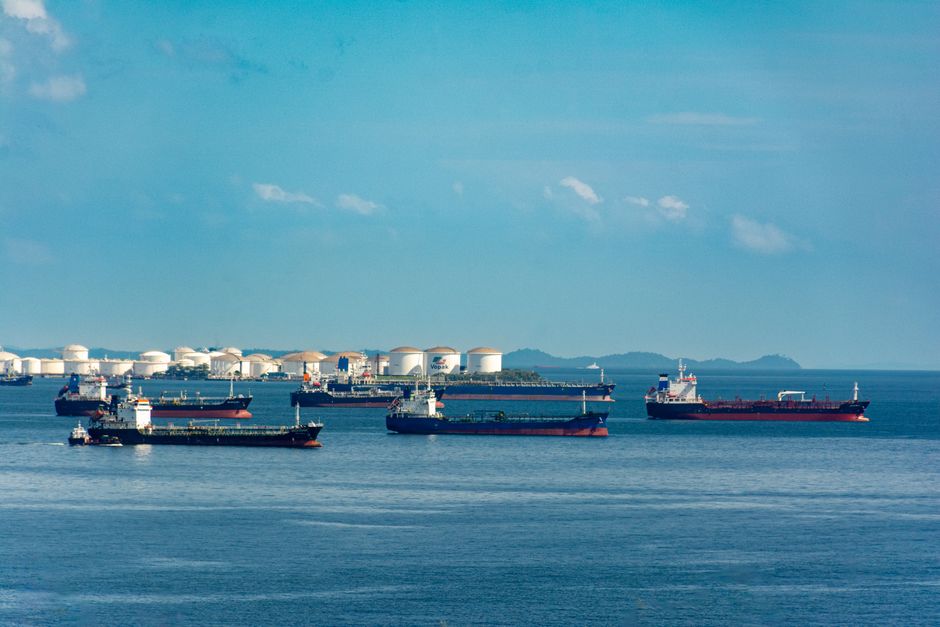
The United States military has carried out targeted strikes against three Iranian oil tankers, international defense officials confirmed on Saturday. The operations were launched following assertions by American military commanders that United States Navy warships operating in regional waterways had been targeted by hostile fire. The direct military action against commercial vessels carrying petroleum represents a substantial development in ongoing maritime tensions across the region.
According to statements from defense authorities, the strikes targeted tankers identified as part of maritime operations linked to recent security incidents. Officials stated that naval assets responded after detecting threats directed at American naval vessels. Specific details regarding the precise weaponry utilized in the strikes and the exact coordinates of the engagements were not immediately released to the public.
The strikes took place in waters surrounding key Middle Eastern maritime corridors, which handle significant volumes of international maritime commerce and crude oil shipments. The region has experienced heightened friction in recent months, marked by regular disruptions to commercial navigation and naval patrols conducted by international coalitions. Observers have closely tracked the security situation in nearby straits and open sea lanes.
Maritime tracking groups and regional observers reported disruptions following the military engagement, noting that international shipping companies have been reassessing transit routes. Commercial operators regularly adjust security protocols and navigational plans during periods of active military strikes in critical waterways. Maritime monitoring networks continue to track the affected vessels to evaluate operational status and environmental factors.
International energy analysts noted that military actions involving petroleum infrastructure and tankers typically introduce uncertainty into global crude markets. Financial observers indicated that commodity trading desks are monitoring the situation closely for potential impacts on supply routes and shipping insurance premiums. Transportation costs in sensitive maritime transit zones often rise following confirmed military strikes on commercial shipping assets.
Diplomatic representatives across several capitals have called for restraint to prevent further widening of regional conflict. European and regional foreign ministries issued public appeals urging all parties to prioritize the protection of freedom of navigation under international maritime law. Diplomats noted that unimpeded passage through international waterways remains vital for global commercial stability.
Security analysts emphasize that sustained military operations involving oil tankers carry risks for commercial transport across the wider Middle East. The region serves as an essential nexus for trade connecting Asia, Europe, and Africa. Any sustained disruption to shipping traffic poses broader logistics challenges for international supply chains already facing regional pressures.
International legal experts pointed out that actions against commercial vessels in international waters are governed by strict international treaties, including maritime navigation agreements. Both national defense rights and the protections guaranteed to commercial shipping under United Nations conventions remain central to differing legal interpretations of maritime engagements. Diplomatic discussions regarding the legal basis of the strikes are expected to continue in international forums.
Naval commands in the region have increased readiness levels and intensified surveillance flights across surrounding international air corridors. Allied navies participating in international maritime security partnerships have maintained heightened communication to monitor ongoing vessel traffic. Patrol vessels continue to issue navigational warnings to civilian commercial traffic operating in surrounding waters.
As of Saturday, defense officials in Washington and regional governments continued to monitor the aftermath of the strikes. International monitors and shipping authorities remain on high alert to assess whether further operational steps or retaliatory actions will emerge across regional waterways in the coming days.
Ask the Author
Subscribers can ask the journalist a question about this story. Subscribe to ask.
Note de neutralité
Auto-harvested from global news wires and presented neutrally by PENN.
to vote
Comments
No comments yet — be the first to share your thoughts.
Related stories in World/International
Global Trade Faces Historic Disruption as Strait of Hormuz Bottlenecks Intensify
2026-09-25
Turkey Announces Gradual Withdrawal of Troops and Handover of Key Base in Iraq
2026-09-25