
United States Strikes Three Iranian Oil Tankers Following Alleged Attacks on Navy Warships
Military action in the Middle East marks a sharp escalation as Washington retaliates against maritime targets near the Strait of Hormuz.
PENN Explainer
Hear this story explained in 90 seconds.
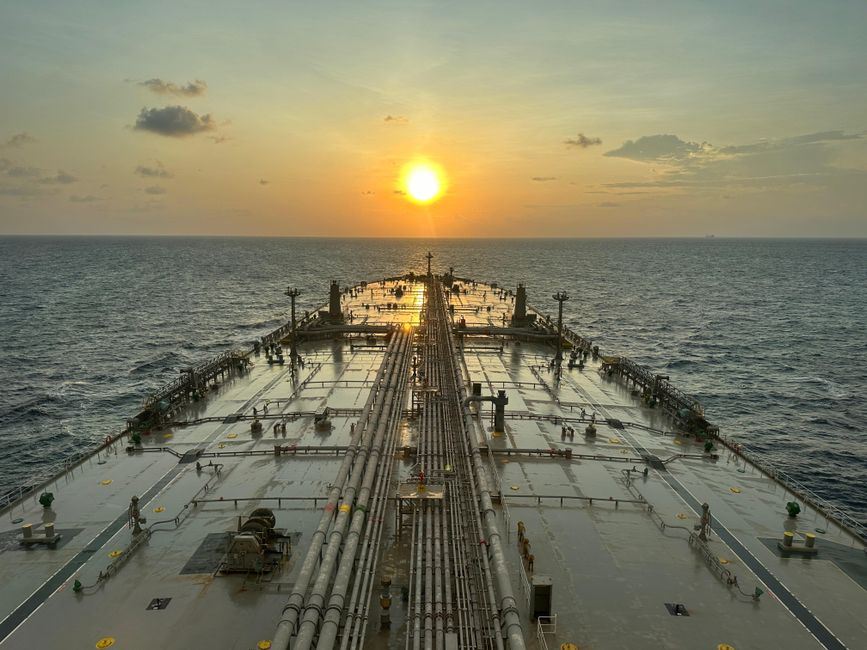
The United States military carried out targeted strikes against three Iranian oil tankers after American officials stated that U.S. Navy warships were targeted in regional waterways. The military action represents a significant escalation in maritime tensions across the Middle East. Defense officials confirmed the operation took place near critical shipping corridors in the region. The incident has drawn widespread attention from international observers monitoring naval security and energy trade.
According to official statements from Washington, the strikes were executed in response to direct threats posed to naval personnel and vessels operating in international waters. Pentagon spokespersons emphasized that the strikes were intended to degrade maritime capabilities linked to hostile actions. Officials stated that American warships responded defensively after detecting incoming threats from regional positions. Military leadership noted that protection of international navigation remains a top strategic objective for the armed forces.
Iranian officials strongly condemned the military action, labeling the strikes an unprovoked act of aggression against commercial maritime traffic. Authorities in Tehran denied carrying out prior attacks on American naval ships and warned that such military actions destabilize the broader Persian Gulf and Strait of Hormuz. Iranian diplomatic channels issued statements calling on the United Nations Security Council to address what they described as violations of sovereignty and international maritime conventions.
The strikes come at a time of heightened friction across key Middle Eastern waterways, which handle a substantial portion of global petroleum shipments. Commercial shipping organizations immediately advised merchant vessels navigating near the Strait of Hormuz and the Gulf of Oman to exercise extreme caution. Maritime insurers have begun reviewing risk assessments for commercial vessels operating in the region. Rising security concerns typically prompt commercial carriers to adjust routing or implement additional safety measures.
International energy markets responded swiftly to the development, with crude oil benchmarks experiencing notable price fluctuations following reports of the strikes. Analysts pointed out that any physical disruption to oil tankers in the Persian Gulf region creates immediate apprehension among energy importers across Asia and Europe. Major economies rely heavily on regular passage through these maritime transit choke points to sustain fuel supplies. Financial markets remain focused on whether further retaliatory steps might follow.
Diplomatic reactions from regional and global capitals have called for restraint to prevent the confrontation from spiraling into a wider military clash. European Union foreign policy representatives expressed grave concern over the military exchange, urging all parties involved to avoid actions that could endanger civilian navigation. Regional neighbors, including several Gulf Cooperation Council member states, initiated diplomatic outreach aimed at de-escalating tensions. Many governments stressed the critical importance of keeping commercial sea lanes open and predictable.
United States officials maintained that the military operations were limited, precise, and aimed specifically at addressing immediate security risks to American personnel. In congressional briefings, defense representatives reiterated that Washington does not seek open conflict but will defend its maritime presence. Lawmakers from various committees requested detailed assessments regarding operational protocols and the rules of engagement applied during the incident. Congressional oversight bodies are expected to review the circumstances surrounding the initial targeting of American ships.
Maritime security analysts noted that targeted strikes on commercial or state-affiliated tankers mark an unusual and consequential shift in maritime deterrence strategies. Historically, confrontations in these waters have involved electronic jamming, mine deployment, or seizure of merchant craft. Directly striking tanker vessels introduces new operational precedents that could complicate future international legal disputes regarding the law of the sea. Legal experts are closely examining the sovereign status and registry details of the three affected vessels.
Humanitarian and environmental monitors also raised inquiries regarding potential environmental fallout resulting from damage sustained by the tankers. Regional coast guards and marine environmental agencies mobilized monitoring assets to check for possible oil spills or structural hazards in the busy shipping lanes. Initial damage assessments suggest that emergency containment procedures were initiated promptly on the water. No major catastrophic environmental spills were immediately confirmed by regional maritime centers.
As the situation develops, international observers are watching for potential diplomatic initiatives or formal meetings at the United Nations to manage the crisis. Envoys from neutral nations have offered mediation services to facilitate dialogue between the involved parties. Navies participating in international maritime coalitions continue patrols across key shipping routes to reassure merchant fleets. The ultimate impact of these strikes on global shipping stability and regional diplomacy remains a subject of intense international scrutiny.
Ask the Author
Subscribers can ask the journalist a question about this story. Subscribe to ask.
Neutrality note
Auto-harvested from global news wires and presented neutrally by PENN.
to vote
Comments
No comments yet — be the first to share your thoughts.
Related stories in World/International
Global Trade Faces Historic Disruption as Strait of Hormuz Bottlenecks Intensify
2026-09-25
Turkey Announces Gradual Withdrawal of Troops and Handover of Key Base in Iraq
2026-09-25