
Vietnam Adjusts Rice Export Strategy Amid Shifting Global Market Dynamics
As export volumes and prices face downward pressure, Vietnam pivots toward high-quality production and regional agricultural cooperation.
PENN Explainer
Hear this story explained in 90 seconds.
Vietnam is currently navigating a complex period in its agricultural sector as rice export volumes and values experience a notable decline. According to data from the General Statistics Office, rice exports in the first nine months of 2026 earned approximately 3.05 billion USD, representing a 12.3 percent decrease compared to the same period in the previous year. This trend follows a record-breaking performance in 2024, signaling a significant shift in the global rice trade landscape.
Several factors are contributing to this cooling market, including increased domestic reserves in major importing nations. Countries such as the Philippines, Indonesia, and Malaysia have bolstered their own food security measures, leading to reduced reliance on international imports. This shift in demand has placed downward pressure on global export prices, affecting the income of farmers in Vietnam's primary rice-growing region, the Mekong Delta.
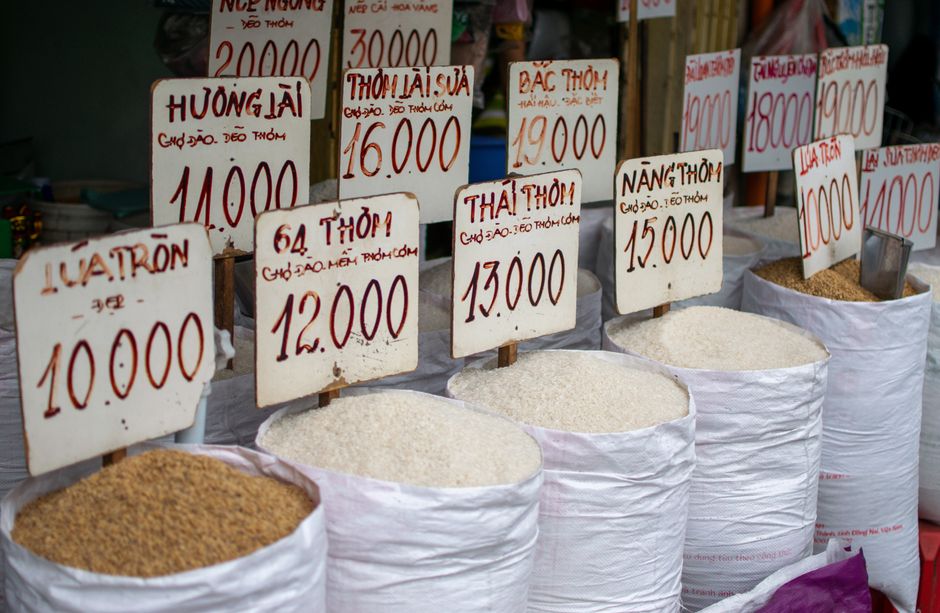
In response to these market realities, Vietnam is proactively restructuring its production toward higher-quality and specialty rice varieties. Industry leaders believe that focusing on premium segments will improve the country's long-term competitiveness in a crowded global market. Currently, about 89 percent of Vietnam's rice exports consist of high-quality grain, with fragrant and specialty varieties accounting for a significant portion of that total.
Beyond domestic restructuring, Vietnam is actively engaging in international forums to stabilize food security. During the 11th APEC Food Security Ministerial Meeting held in Hangzhou, China, in August 2026, Vietnamese representatives proposed four strategic cooperation directions. These proposals received broad support from participating economies, aiming to foster a more resilient and open Asia-Pacific food system.
Regional collaboration is also a key component of Vietnam's current agricultural policy. In September 2026, officials from Vietnam and the Lao PDR met to discuss strengthening agricultural investment and technology sharing. Dr. Linkham Douangsavanh, the Minister of Agriculture and Environment of Laos, emphasized that such partnerships are essential for improving productivity and creating sustainable income opportunities for farmers.
These cooperative efforts are designed to help both nations modernize their production methods and better access international markets. By sharing experience and improving long-term production capacity, the two countries aim to contribute to stronger regional food security. This focus on modernization is seen as a vital step in overcoming the challenges posed by fluctuating global supply chains.
Despite the current decline in export value, Vietnam remains a critical player in the global rice trade. It continues to maintain its position as a key supplier for markets like Singapore, where it competes with other major exporters such as India and Thailand. The government is working to refine regulations on the certification of fragrant rice to meet the specific standards required by the European Union and the United Kingdom.
Geopolitical factors and environmental concerns also play a role in shaping the future of the industry. International studies have highlighted the environmental impact of rice production, prompting developed nations to increase their focus on sustainable farming practices. Vietnam is aligning its policies with these global trends to ensure its products remain attractive to environmentally conscious markets.
Looking ahead, the focus remains on balancing domestic supply with export goals to maintain price stability. The Vietnam Food Association has noted that 2026 presents unique difficulties, requiring a cautious approach to export volumes. By prioritizing quality over quantity, the nation hopes to insulate its agricultural sector from the volatility of global commodity prices.
As the 2027 APEC Food Security Ministerial Meeting approaches, which will be hosted by Vietnam, the country is working to build a shared vision for the region. The goal is to develop a substantive action program that addresses the needs of both producers and consumers. This long-term strategy reflects a broader commitment to maintaining stability in an increasingly interconnected global food system.
You've reached your free article limit
You've read 10 of 10 free articles this month. Subscribe to Planet Earth News Network for unlimited access to neutral, global journalism — plus puzzles, podcasts, and the weekly newsletter.
Already a subscriber? Sign in.
Ask the Author
Subscribers can ask the journalist a question about this story. Subscribe to ask.
Neutrality note
Auto-harvested from global news wires and presented neutrally by PENN.
to vote
Comments
No comments yet — be the first to share your thoughts.
Related stories in Agriculture & Food Security

Urban Agriculture Gains Momentum as Global Strategy for Food Security
2026-11-10
Vietnam Modernizes Agricultural Sector Through Technology and Policy Reform
2026-11-09