Vigorous Exercise Intensity Linked to Lower Risk of Chronic Disease
New research suggests that the intensity of physical activity may be more important for longevity than total duration.
PENN Explainer
Hear this story explained in 90 seconds.
A recent study published in the European Heart Journal has uncovered a significant link between exercise intensity and long-term health outcomes. Researchers analyzed data from more than 96,000 adults to determine how different levels of physical activity influence the risk of chronic disease and premature death. The findings suggest that how hard a person moves may be more critical than the total amount of time spent exercising.
The study focused on participants from the UK Biobank, who had an average age of approximately 62. By using wrist-worn activity trackers, the research team was able to monitor the movement patterns of 96,408 individuals over an extended period. This allowed scientists to compare total physical activity volume against the specific proportion of activity performed at a vigorous intensity.
The results indicated that adults who performed more than 4% of their total physical activity at a vigorous level experienced a 29% to 61% lower risk of developing eight major chronic diseases. This reduction in risk remained consistent even after researchers accounted for the total volume of exercise performed by each participant. The study also noted a lower risk of premature death among those who prioritized higher-intensity movement.
"We were struck by how much more important intensity was than total volume," said Minxue Shen, a researcher involved in the study, in an interview with NPR. This observation challenges the common focus on simply accumulating a high number of steps or hours of light activity. Instead, it highlights the potential benefits of incorporating short bursts of high-effort movement into a daily routine.
The research identified several specific health areas where intensity appeared to provide the most protection. The strongest associations were found regarding inflammatory conditions, major cardiovascular events, respiratory disease, and dementia. These findings suggest that vigorous exercise may play a unique role in mitigating the biological processes that lead to these specific health challenges.
For other conditions, such as diabetes, kidney disease, and fatty liver disease, the study found that both intensity and total activity volume were important factors. This indicates that while intensity is a powerful tool for longevity, it does not necessarily replace the need for consistent, overall movement. A balanced approach that includes both regular activity and occasional high-intensity effort may offer the most comprehensive protection.
It is important to note that the study is observational in nature. This means that while the researchers identified a strong correlation between vigorous exercise and better health, they cannot definitively prove that the exercise itself was the direct cause of the reduced disease risk. Other lifestyle factors could potentially influence these outcomes.
Despite the observational nature of the data, the scale of the study provides a compelling look at how exercise habits change as people age. With nearly 100,000 participants, the research offers a robust dataset that supports the idea that intensity is a key variable in healthy aging. It provides a clear incentive for individuals to consider adding more challenging movements to their existing fitness regimens.
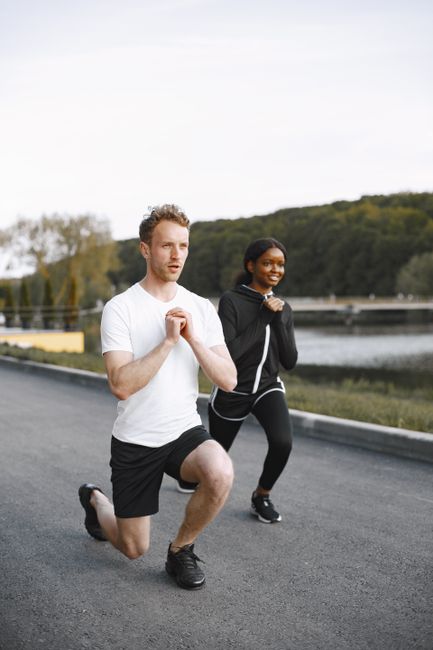
Public health experts often emphasize the importance of finding exercise that is sustainable and enjoyable. For many, this might mean transitioning from steady-state activities like walking to include more vigorous options such as cycling, jogging, or interval training. These activities can help individuals reach the intensity thresholds that the study suggests are beneficial for long-term health.
As research into longevity continues to evolve, the focus on exercise intensity is likely to grow. Scientists are increasingly looking for ways to optimize physical activity to prevent age-related decline and improve quality of life. This study serves as a foundational piece of evidence for those looking to refine their approach to fitness as they get older.
Future research will likely continue to explore the mechanisms behind why vigorous exercise provides such significant protection against specific diseases. Understanding these biological pathways could lead to more personalized exercise recommendations in the future. For now, the evidence suggests that pushing oneself a little harder during physical activity may be a valuable strategy for maintaining health.
You've reached your free article limit
You've read 10 of 10 free articles this month. Subscribe to Planet Earth News Network for unlimited access to neutral, global journalism — plus puzzles, podcasts, and the weekly newsletter.
Already a subscriber? Sign in.
Ask the Author
Subscribers can ask the journalist a question about this story. Subscribe to ask.
Neutrality note
Auto-harvested from global news wires and presented neutrally by PENN.
to vote
Comments
No comments yet — be the first to share your thoughts.