
Western Australia Police Launch Controversial Live Facial Recognition Trial
The state police force has begun using real-time technology to identify persons of interest, sparking a national debate over privacy and governance.
PENN Explainer
Hear this story explained in 90 seconds.
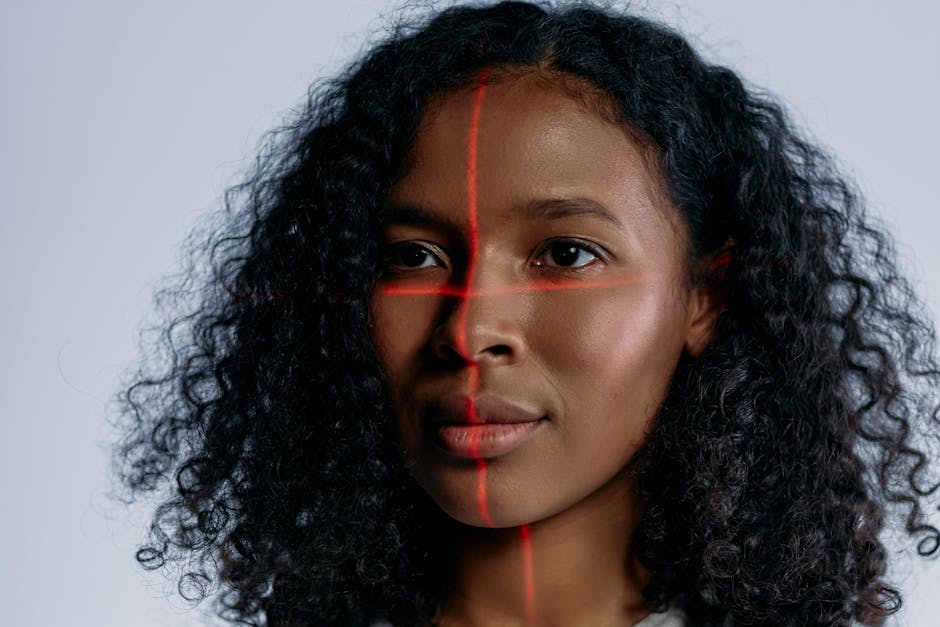
The Western Australia Police Force has officially launched a trial of live facial recognition technology to identify persons of interest in public spaces. This move makes them the first police force in Australia to implement such a system in a live, operational environment. The technology is designed to scan crowds and compare faces against a database of individuals sought by law enforcement. Officials state that the goal is to enhance public safety and improve the efficiency of criminal investigations.
However, the deployment has immediately drawn significant attention from legal experts and privacy advocates across the country. Dr. Nicola Lockhart, a lecturer at Edith Cowan University, has raised concerns regarding the lack of independent evaluation for the project. She argues that without transparent oversight, the initiative functions more like a product launch than a controlled scientific trial. Critics are calling for clear, enforceable rules to ensure that the technology does not infringe upon the civil liberties of the general public.
The debate centers on the balance between modern policing tools and the right to privacy in public areas. Supporters of the trial emphasize that the system could be a powerful tool for locating missing persons or identifying suspects in serious crimes. They point to the potential for rapid identification in crowded areas where traditional methods might fail. Conversely, opponents worry about the potential for misuse or the normalization of constant surveillance.
The Western Australia Police Force has not yet released detailed data on the accuracy or the specific safeguards in place for the trial. As the program continues, legal scholars are urging the government to establish a robust framework for the responsible governance of such powerful technology. This situation highlights a growing trend where law enforcement agencies worldwide are increasingly turning to artificial intelligence and biometric tools to augment their capabilities. The outcome of this trial in Western Australia is expected to influence future policy decisions regarding surveillance technology in other jurisdictions. For now, the public and legal communities remain focused on how the police will manage the balance between security and individual rights.
You've reached your free article limit
You've read 10 of 10 free articles this month. Subscribe to Planet Earth News Network for unlimited access to neutral, global journalism — plus puzzles, podcasts, and the weekly newsletter.
Already a subscriber? Sign in.
Ask the Author
Subscribers can ask the journalist a question about this story. Subscribe to ask.
Neutrality note
Auto-harvested from global news wires and presented neutrally by PENN.
to vote
Comments
No comments yet — be the first to share your thoughts.
Related stories in Crime and Policing

German Authorities Begin Trial of Self-Proclaimed 'King' Over Criminal Organization Charges
2026-11-11
Human Rights Watch Report Alleges Police Misconduct During Deadly Rio de Janeiro Raid
2026-11-10