Zambia Launches First Fisheries Management Areas to Boost Community Conservation
The government of Zambia has officially established new management zones to empower local communities in the stewardship of their aquatic resources.
PENN Explainer
Hear this story explained in 90 seconds.
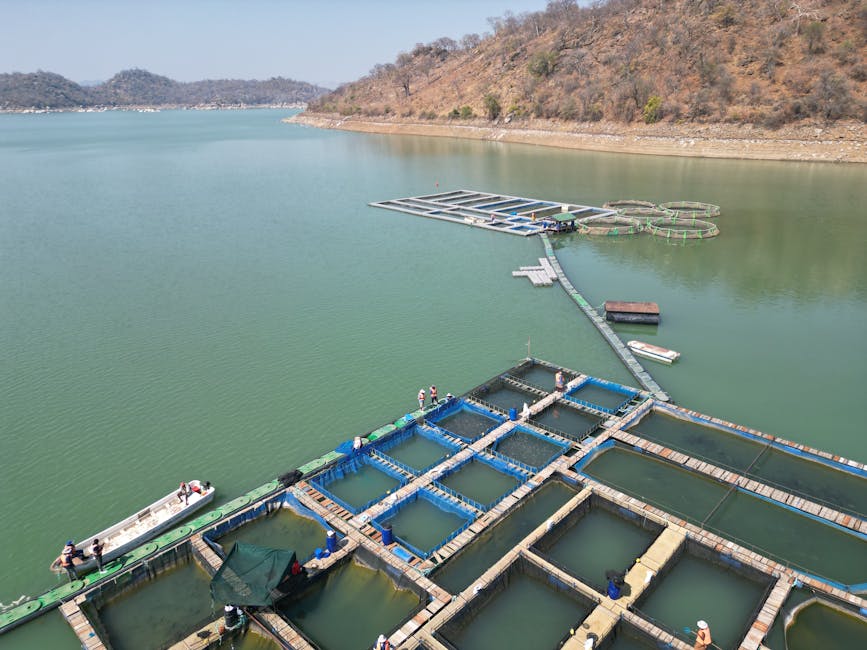
The government of Zambia has officially handed over statutory instruments to establish new Fisheries Management Areas in the Chiawa and Namoomba communities. This development, announced on March 16, 2026, marks a significant shift toward community-led conservation in the region. By formalizing these zones, the state aims to grant local residents a greater role in managing the natural resources they rely on for their livelihoods. The initiative is designed to balance economic needs with the long-term health of local ecosystems.
This collaborative process received substantial support from international partners, including the French government. The Agence Française de Développement and the French Facility for Global Environment provided the necessary funding and technical assistance to make the project possible. These organizations have been working closely with Zambian authorities for nearly two years to develop a sustainable framework. The partnership highlights a growing global trend of investing in local stewardship to protect biodiversity.
The Fisheries Management Areas are intended to serve as a model for how national policies can integrate local knowledge into environmental protection. By giving communities legal authority over their fishing grounds, the government hopes to reduce illegal practices and promote sustainable harvesting. This approach is expected to improve the resilience of fish populations while supporting the economic stability of the surrounding villages. Local leaders will now have the tools to enforce regulations that were previously difficult to manage from a central level.
Conservation experts note that the success of this project depends on the active participation of all stakeholders involved. The Department of Forests and the Zambia Forestry and Forest Industries Corporation are key participants in the ongoing implementation. These agencies are tasked with providing the necessary oversight to ensure that the management plans are followed correctly. The project also emphasizes the importance of environmental education to help residents understand the long-term benefits of these conservation efforts.
This initiative aligns with broader international goals to preserve biodiversity and combat the degradation of freshwater ecosystems. By focusing on community empowerment, the program seeks to create a sense of ownership among those who live closest to the water. Supporters believe that when local people are directly involved in decision-making, conservation outcomes are more likely to be successful and durable. The project is part of a larger effort to align national development with global environmental standards.
Looking ahead, the government of Zambia plans to monitor the impact of these management areas on both fish stocks and community income. If the pilot proves successful, officials may consider expanding the model to other parts of the country. The data collected from these areas will be used to refine future conservation strategies and ensure they remain effective. This ongoing evaluation is considered a critical step in maintaining the balance between human activity and nature.
International observers have praised the move as a positive step for environmental governance in Africa. The involvement of the French Facility for Global Environment underscores the importance of international cooperation in addressing local environmental challenges. By providing financial and technical support, these organizations help developing nations implement innovative solutions that might otherwise be out of reach. The project serves as a reminder that effective conservation often requires a combination of local action and global partnership.
As the communities in Chiawa and Namoomba begin their new roles as stewards, the focus will shift to the practical application of the management plans. This includes setting catch limits, protecting spawning grounds, and monitoring water quality. These activities are essential for maintaining the health of the river systems that support the local economy. The success of these efforts will be measured by the recovery of fish populations and the overall well-being of the community members.
This development also highlights the importance of legal frameworks in supporting conservation goals. Without the formal recognition provided by the statutory instruments, local communities would lack the authority to manage their resources effectively. The government's commitment to this process demonstrates a willingness to adapt to new, more inclusive methods of environmental management. This legal foundation is expected to provide the stability needed for long-term success.
Ultimately, the establishment of these Fisheries Management Areas represents a hopeful development for the future of Zambia's natural heritage. By empowering local people, the country is taking a proactive stance against the threats of overfishing and habitat loss. The project serves as a testament to the power of collaboration in achieving sustainable outcomes for both people and the planet. Future efforts will likely continue to build on this foundation to ensure the continued protection of vital aquatic ecosystems.
You've reached your free article limit
You've read 10 of 10 free articles this month. Subscribe to Planet Earth News Network for unlimited access to neutral, global journalism — plus puzzles, podcasts, and the weekly newsletter.
Already a subscriber? Sign in.
Ask the Author
Subscribers can ask the journalist a question about this story. Subscribe to ask.
Neutrality note
Auto-harvested from global news wires and presented neutrally by PENN.
to vote
Comments
No comments yet — be the first to share your thoughts.