Alibaba Unveils Powerful New AI Chip and Ambitious Model Expansion Plans
The Chinese technology giant aims to close the performance gap with U.S. competitors through new hardware and large-scale model training.

PENN Explainer
Hear this story explained in 90 seconds.
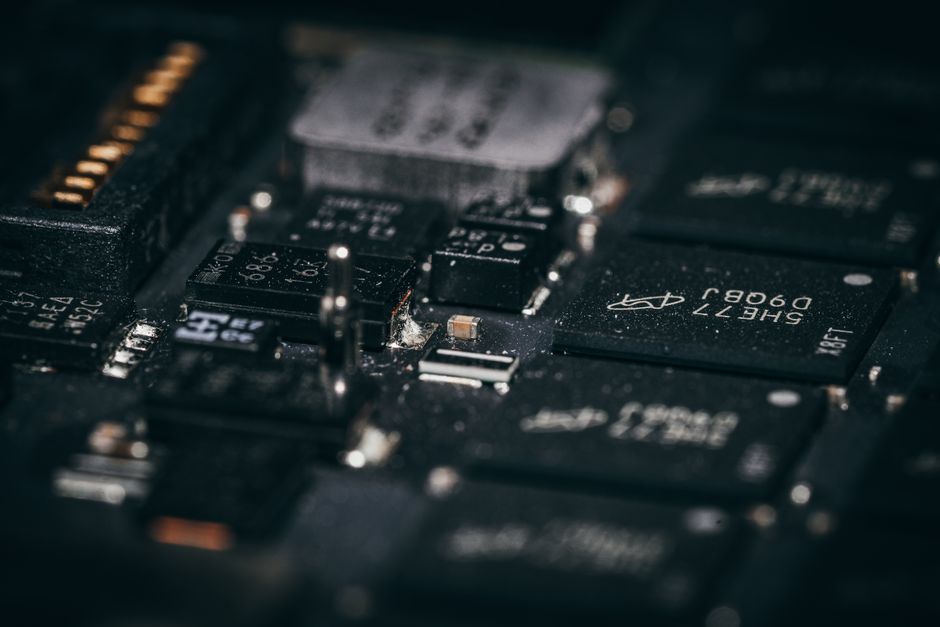
Alibaba Group recently introduced a new artificial intelligence chip designed to significantly boost processing power for its internal and cloud-based AI services. The company unveiled the Zhenwu V900 chip during its annual flagship conference held in Hangzhou, China. This hardware development marks a strategic move by the firm to strengthen its position in the competitive global AI market. According to Alibaba Chief Executive Officer Eddie Wu, the Zhenwu V900 is currently the most powerful AI chip produced by the company.
He stated that the new hardware delivers three times the performance of the previous generation, known as the Zhenwu M890. This leap in capability is intended to support the growing computational demands of modern machine learning tasks. Beyond hardware, Alibaba announced plans to train a new generation of its AI models at a massive scale. The company aims to develop models with five to 10 trillion parameters, which would represent a significant increase in learning capacity.
For comparison, the company's current most advanced model, Qwen3.8-Max, operates with 2.4 trillion parameters. This shift toward larger models reflects a broader industry trend where companies compete to build systems capable of more complex reasoning and data processing. The announcement comes as international attention remains focused on the rapid development of AI technologies in both China and the United States. Industry leaders have expressed varying perspectives on the implications of this global race for technological dominance.
Some experts suggest that the expansion of AI capabilities in China poses a competitive challenge to existing market leaders in the U.S. The development of custom silicon is seen as a critical factor in reducing reliance on external suppliers and managing operational costs. By designing its own chips, Alibaba joins other major technology firms that are increasingly verticalizing their hardware and software stacks. This strategy allows companies to optimize their infrastructure specifically for the unique requirements of their large language models. As these companies continue to scale their research, the focus remains on balancing performance gains with the energy and resource requirements of large-scale data centers. Future progress in this sector will likely depend on the ability of firms to maintain consistent access to advanced manufacturing processes and specialized components.
Ask the Author
Subscribers can ask the journalist a question about this story. Subscribe to ask.
Neutralitätsvermerk
Auto-harvested from global news wires and presented neutrally by PENN.
to vote
Comments
No comments yet — be the first to share your thoughts.