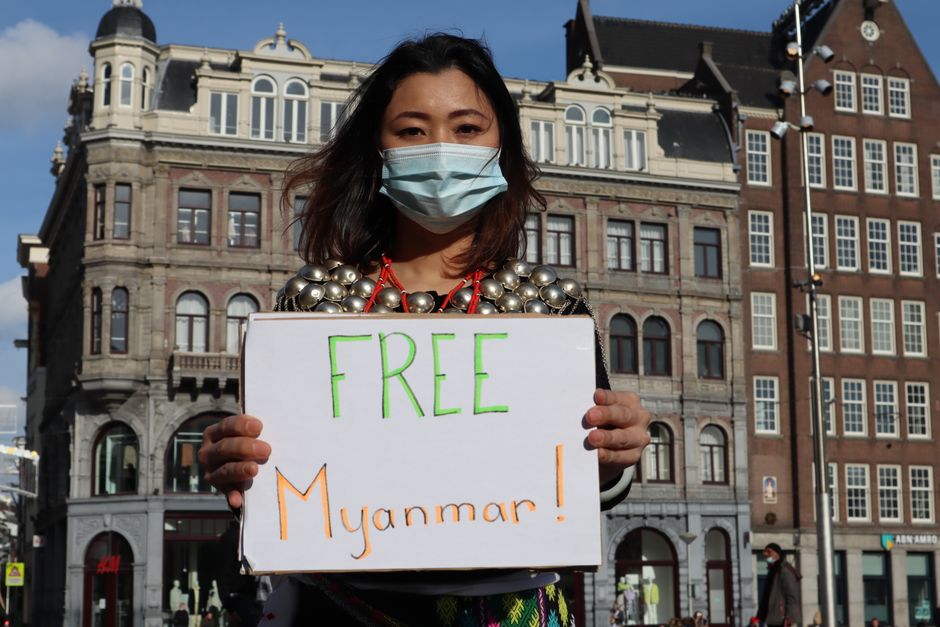
Amnesty International Annual Report Warns of Rising Pressure on Global Human Rights and Rule of Law
Global assessment across 150 nations highlights mounting challenges to civil liberties, humanitarian norms, and protections for vulnerable populations.

PENN Explainer
Hear this story explained in 90 seconds.
Amnesty International has published its comprehensive annual assessment of worldwide civil liberties and humanitarian protections, warning that international human rights standards are confronting severe systemic pressure. The publication, titled The State of the World's Human Rights, evaluates the record of 150 nations across the globe. Researchers pointed to an increasingly challenging global landscape where international law faces regular circumvention by powerful state actors and non-state armed groups alike.
Amnesty International Secretary General Agnès Callamard emphasized during the launch that global institutions designed to safeguard fundamental freedoms require renewed collective commitment. Callamard noted that ongoing armed confrontations, widespread curbs on public assembly, and restrictions on civil society organizations have collectively diminished protections for millions. The organization highlighted that the erosion of multilateral agreements places vulnerable communities, including refugees, displaced families, and marginalized groups, at acute risk.
The document details widespread challenges facing freedom of expression, association, and peaceful assembly across multiple continents. In several jurisdictions, governments introduced emergency decrees, tightened regulations on non-governmental organizations, or employed excessive force to disperse public demonstrations. Despite these restrictive measures, the report documented instances where public mobilization successfully challenged institutional overreach, illustrating resilient civic engagement in different parts of the world.
A major focus of the annual review centers on the human toll of protracted armed conflicts. Warring parties in various active conflicts have repeatedly failed to uphold basic protections guaranteed under international humanitarian law. Investigators highlighted devastating impacts on non-combatants, infrastructure destruction, and the obstruction of essential humanitarian aid deliveries in crisis regions across the Middle East, Eastern Europe, and Sub-Saharan Africa.
In Sudan, the ongoing clash involving the Sudanese Armed Forces and the paramilitary Rapid Support Forces has driven internal displacement above 11 million people. The report underscores that widespread violations, including documented sexual violence against women and girls, have occurred amid insufficient global humanitarian funding and limited diplomatic progress. Observers noted that illicit arms flows continue to circumvent existing regional arms embargoes, intensifying violence against non-combatants.
The global assessment also monitors ongoing accountability mechanisms operating through international judicial bodies. The International Criminal Court and the International Court of Justice have increasingly been called upon to examine alleged war crimes, crimes against humanity, and violations of international conventions. The ICC has issued warrants concerning high-level officials and military commanders connected to actions in Ukraine, Libya, Myanmar, and the Middle East, reflecting persistent efforts toward legal accountability.
At the same time, human rights advocates expressed concern over growing political backlash against international legal bodies. In several instances, governments under scrutiny have challenged the jurisdiction or funding of international tribunals. Amnesty International argued that defending the operational autonomy of multilateral courts is essential for deterring future infractions and preventing widespread impunity.
Economic instability and climate shocks were also identified as significant compounding factors that exacerbate human rights violations. Disasters linked to severe droughts and extreme weather patterns have displaced populations in South Asia, Latin America, and Southern Africa. Many affected families find themselves without legal protections, secure shelter, or access to basic judicial recourse when forced to migrate.
Civil liberties monitors noted that legislative bodies in numerous countries have revised statutory definitions surrounding national security and counter-terrorism. These broader definitions have occasionally been applied against independent journalists, human rights defenders, and labor organizers. Such practices have drawn critical responses from independent rapporteurs and international legal observers seeking to maintain open civic space.
The annual findings conclude with specific policy recommendations for national governments and international agencies. Amnesty International urged member states to fully fund humanitarian relief appeals, eliminate arbitrary barriers targeting independent civil society organizations, and adhere rigorously to binding international treaties. Legal experts underscored that lasting stability and security depend fundamentally on honoring the universal dignity and legal protections of all individuals.
Ask the Author
Subscribers can ask the journalist a question about this story. Subscribe to ask.
Nota di neutralità
Auto-harvested from global news wires and presented neutrally by PENN.
to vote
Comments
No comments yet — be the first to share your thoughts.
Related stories in Human Rights
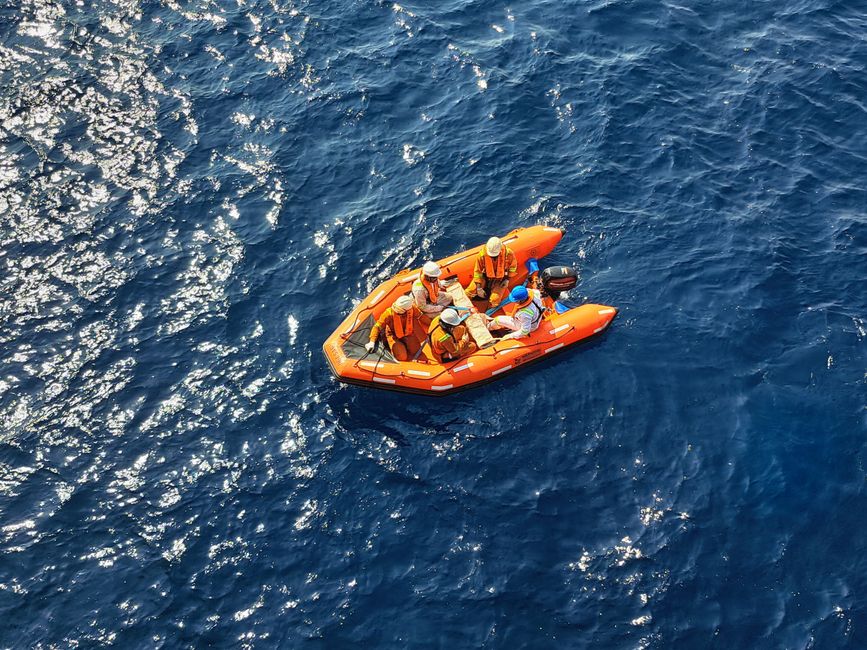
International Organization for Migration Raises Alarm Over Migrant Tragedy Near Canary Islands
2026-09-25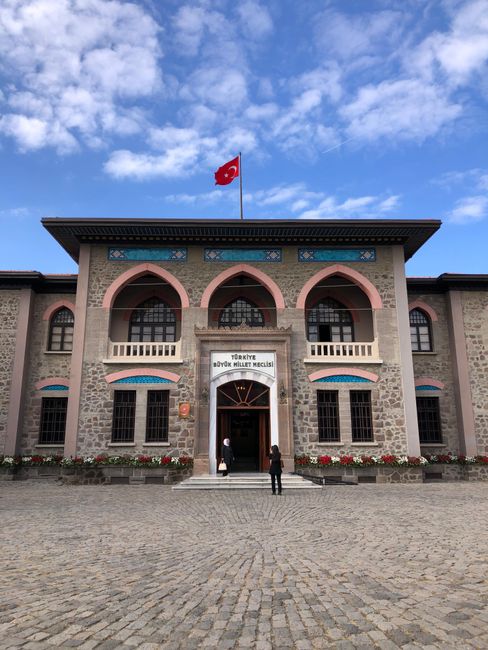
United Nations Raises Concerns Over New Child Detention Laws in Türkiye
2026-09-25