
Antarctic Sea Ice Trends Show Continued Variability in 2026
Scientists monitor shifting ice patterns as researchers analyze recent data on Antarctic sea ice extent and thickness.
PENN Explainer
Hear this story explained in 90 seconds.
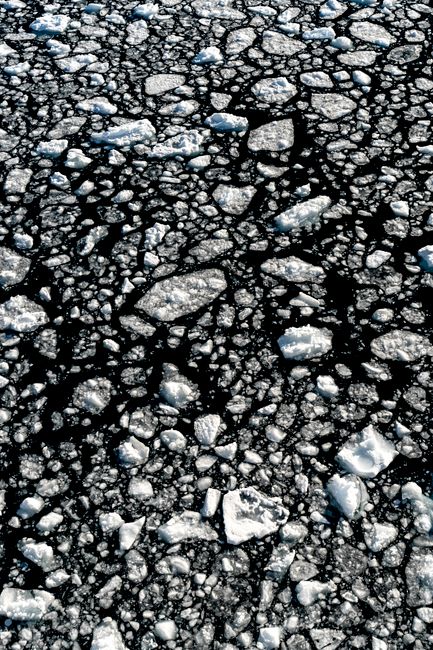
Researchers at the National Snow and Ice Data Center are closely monitoring the latest trends in Antarctic sea ice. Recent data indicates that the region continues to experience significant fluctuations in ice coverage. These observations are vital for understanding the broader impacts of climate patterns on the Southern Ocean. Scientists use satellite imagery and daily analysis to track these changes in real time. The data helps provide a clearer picture of how the environment is shifting from year to year. Understanding these trends is a priority for the global scientific community. Experts note that Antarctic sea ice behavior often differs from the patterns observed in the Arctic. While the Arctic has seen a consistent decline in ice extent over several decades, the Antarctic has shown more complex and variable behavior. This variability makes it a unique area of study for meteorologists and climate scientists. Researchers are investigating how factors like wind patterns and ocean stratification influence these changes. These elements play a major role in how ice forms and melts around the continent. The U.S. National Ice Center continues to produce detailed charts to document these conditions. These visual tools help communicate complex data to the public and other researchers. By maintaining consistent records, scientists can better identify long-term shifts in the environment. The Antarctic Ice Sheet remains a massive reservoir of frozen water. If this ice were to melt entirely, it would have a profound impact on global sea levels. Current estimates suggest that the ice sheet holds enough water to raise sea levels by many meters. This potential impact underscores the importance of ongoing monitoring efforts. Scientists emphasize that while the ice sheet is stable for now, its future is a subject of intense study. International cooperation is essential for gathering this data across such a remote region. Organizations like the Copernicus Marine Service and NASA work together to share findings. This collaborative approach ensures that the global community has access to the most accurate information available. By sharing these resources, researchers can build a more comprehensive understanding of our planet's climate. The study of Antarctic ice is a long-term commitment that requires patience and precision. As technology improves, the ability to track these changes becomes even more refined. Future research will likely focus on the interaction between the ocean and the ice shelves. These studies will help refine models that predict how the climate might change in the coming decades. For now, the focus remains on collecting high-quality data to inform future policy and scientific discourse.
Ask the Author
Subscribers can ask the journalist a question about this story. Subscribe to ask.
Neutrality note
Auto-harvested from global news wires and presented neutrally by PENN.
to vote
Comments
No comments yet — be the first to share your thoughts.
Related stories in Weather & Climate

United States Wildfire Preparedness Level Lowered as 2026 Season Progresses
2026-09-24
Wildfires Devastate Large Portions of Namibia's Etosha National Park
2026-09-24