
Arctic Permafrost Thaw Triggers Concerns Over Ancient Carbon Release
Scientists warn that melting permafrost in the Arctic could release ancient carbon, potentially accelerating global climate change.
PENN Explainer
Hear this story explained in 90 seconds.
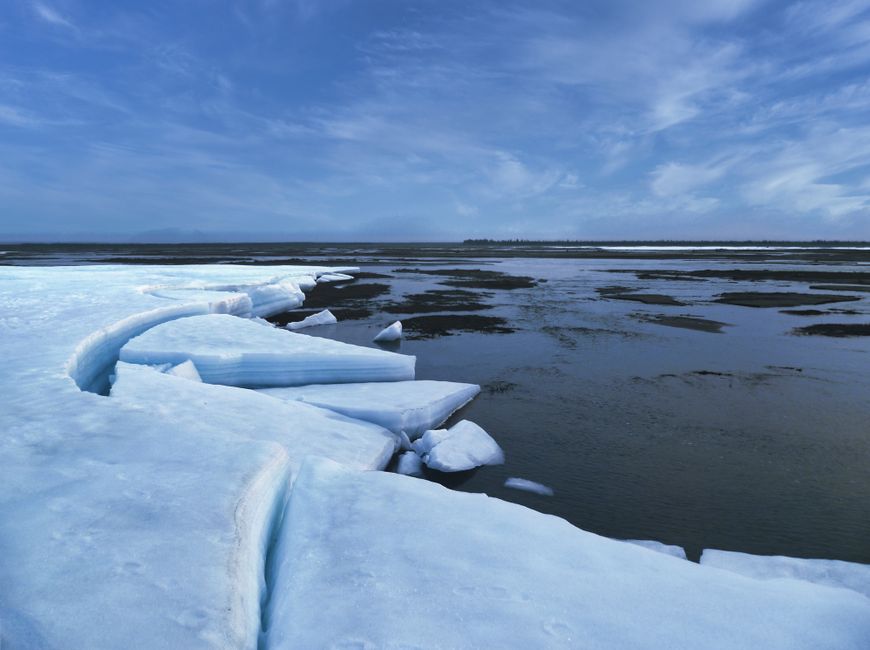
A new scientific report has highlighted a growing environmental concern regarding the thawing of Arctic permafrost. As global temperatures rise, the frozen ground in the Arctic is beginning to melt at an unprecedented rate. This process is causing ancient carbon, which has been trapped in the soil for thousands of years, to be released into the surrounding environment. Researchers are now closely monitoring how this release might impact the global climate system. The primary concern is that microbes in the soil may convert this ancient carbon into greenhouse gases. If these gases enter the atmosphere in large quantities, they could significantly accelerate the pace of climate change. This creates a feedback loop where warming leads to more melting, which in turn leads to more warming. Scientists have been collecting sediment cores near the affected regions to better understand the scale of this phenomenon. These samples provide a window into the past and help experts predict how the landscape will change in the coming decades. The data suggests that the release of this carbon is not just a local issue but a global one with far-reaching consequences. Understanding the chemical processes involved is essential for developing accurate climate models. While the situation is serious, researchers emphasize that continued study is necessary to determine the exact speed and volume of the carbon release. International teams are working together to share findings and coordinate their efforts in the Arctic. By tracking these changes, the scientific community hopes to provide policymakers with the information needed to address the broader climate crisis. The findings serve as a stark reminder of the interconnected nature of Earth's ecosystems and the sensitivity of the polar regions to temperature shifts.
Ask the Author
Subscribers can ask the journalist a question about this story. Subscribe to ask.
Note de neutralité
Auto-harvested from global news wires and presented neutrally by PENN.
to vote
Comments
No comments yet — be the first to share your thoughts.
Related stories in Environment
Researchers Develop New Flow Battery Technology to Boost Renewable Energy Storage
2026-09-24
New Study Finds Cougars Significantly Reduce Vehicle-Deer Collisions in the United States
2026-09-24