Artificial Intelligence Advances in Solar Activity Prediction
New AI models can now forecast solar eruptions nearly nine hours before they occur, improving space weather monitoring.
PENN Explainer
Hear this story explained in 90 seconds.
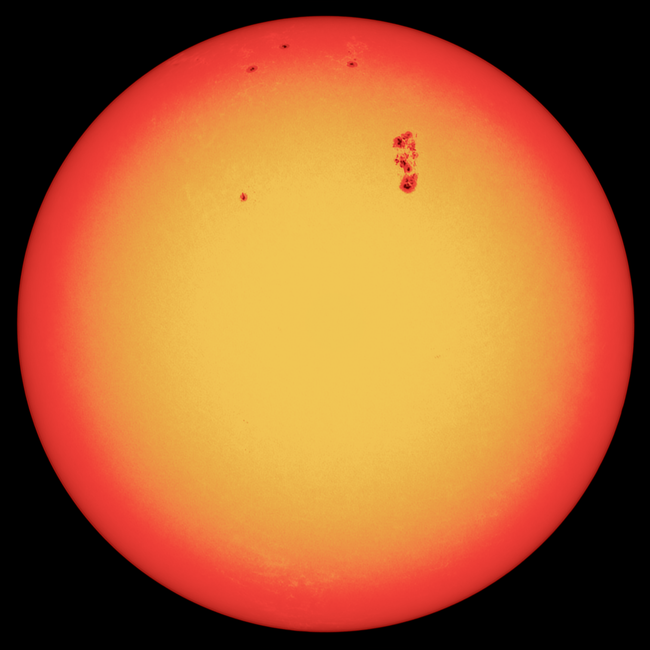
Researchers have reached a significant milestone in space weather forecasting by utilizing artificial intelligence to predict solar eruptions. A new study indicates that these advanced AI systems can now identify the signs of a solar flare nearly nine hours before the event actually happens. This development represents a major step forward in our ability to monitor the sun and protect critical infrastructure on Earth. Solar eruptions can release massive amounts of energy and charged particles into space. When these particles reach our planet, they have the potential to disrupt satellite communications, power grids, and navigation systems. Being able to predict these events with greater lead time allows operators to take necessary precautions to safeguard technology. The research highlights how machine learning is becoming an essential tool in the field of astrophysics. By analyzing vast amounts of historical solar data, the AI models learn to recognize subtle patterns that precede an eruption. These patterns are often too complex or rapid for human observers to detect in real time. Scientists have long sought better ways to anticipate solar activity to mitigate its impact on modern life. The ability to provide a nine-hour warning window is considered a dramatic improvement over previous methods. This capability is particularly important as our reliance on space-based technology continues to grow. The integration of AI into solar research is part of a broader trend of using technology to solve complex scientific challenges. Experts note that the reliability of these models is a key focus for the scientific community. As these systems are refined, they are expected to become even more accurate and useful for space agencies around the world. This breakthrough serves as a reminder of the vital role that data-driven innovation plays in understanding our solar system. Future efforts will likely focus on scaling these models to provide even earlier warnings for more intense solar events. The ongoing collaboration between computer scientists and solar physicists remains a cornerstone of this progress.
Ask the Author
Subscribers can ask the journalist a question about this story. Subscribe to ask.
নিরপেক্ষতা নোট
Auto-harvested from global news wires and presented neutrally by PENN.
to vote
Comments
No comments yet — be the first to share your thoughts.