Artificial Intelligence Breakthrough Predicts Solar Activity Hours in Advance
New AI model provides nearly nine hours of warning for solar eruptions, helping protect critical infrastructure on Earth.
PENN Explainer
Hear this story explained in 90 seconds.
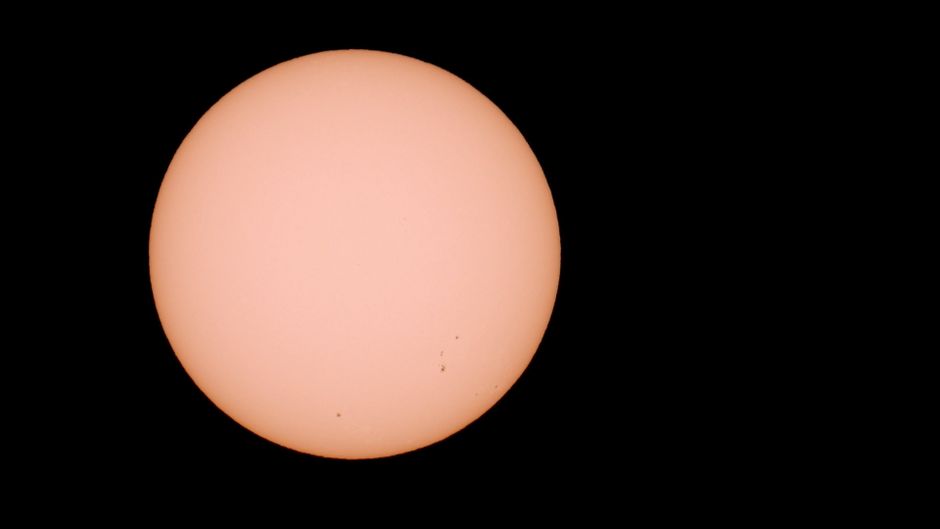
A significant advancement in space weather forecasting has emerged as researchers develop new artificial intelligence tools to monitor the sun. A recent study highlights that AI can now predict solar eruptions nearly nine hours before they occur. This development offers a crucial window of time for scientists and engineers to prepare for potential impacts on Earth. Solar activity can often disrupt satellite communications, power grids, and navigation systems, making early detection a priority for global technology experts. The ability to anticipate these events with greater accuracy represents a major step forward in space science. By analyzing vast amounts of solar data, the AI model identifies patterns that precede intense solar flares and coronal mass ejections. These phenomena are known to release massive amounts of energy and charged particles into space. When these particles reach Earth, they can interact with the planet's magnetic field, leading to geomagnetic storms. Such storms have historically caused widespread technical issues, ranging from radio blackouts to electrical grid failures. The new AI system aims to mitigate these risks by providing timely alerts to operators of sensitive infrastructure. Researchers emphasize that while the sun is a complex and dynamic environment, machine learning is proving to be an effective tool for decoding its behavior. The model was trained on historical data from solar observatories, allowing it to recognize the subtle signs of an impending eruption. This research is part of a broader effort to improve our understanding of space weather and its influence on our modern, technology-dependent society. As the world becomes more reliant on space-based assets, the importance of such predictive capabilities continues to grow. Experts note that this technology could eventually be integrated into real-time monitoring networks used by space agencies and private companies. By providing a longer lead time, the system allows for proactive measures, such as adjusting satellite orbits or temporarily powering down vulnerable equipment. This shift from reactive to proactive management is expected to enhance the resilience of global communication and energy networks. The study underscores the potential for artificial intelligence to solve complex problems in fields that were previously difficult to monitor. Future iterations of the model may offer even greater precision as more data is collected from ongoing solar missions. This breakthrough serves as a reminder of how scientific innovation can help protect the systems that support daily life on Earth. As research continues, the global scientific community remains focused on refining these tools to ensure a safer and more stable technological future.
Ask the Author
Subscribers can ask the journalist a question about this story. Subscribe to ask.
Заметка о нейтральности
Auto-harvested from global news wires and presented neutrally by PENN.
to vote
Comments
No comments yet — be the first to share your thoughts.